🔔 Read us on Telegram — don’t miss the latest automotive news → t.me/motorhub_en
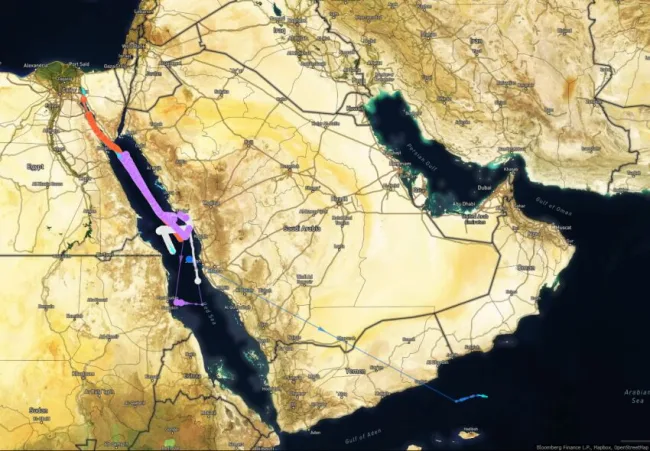
Despite threats and attacks by Yemen’s Houthi militants, millions of barrels of Saudi Arabian crude are still being shipped from the nation’s Red Sea coast to the global market. The Red Sea port of Yanbu is one of the oil market’s most important workarounds while Iran tries to stop oil from flowing through the Strait of Hormuz. Oil tanker owners and traders are on high alert for disruption in the area after the July 20 blockade warning and a subsequent attack on at least one Saudi ship. Western shipowners appear to be making plans to avoid Bab el-Mandeb strait, at the southern end of the sea, or to sail through it with their transponders turned off. Meanwhile, vessels owned by Iran-affiliated nations like China are still crossing it while hauling Riyadh’s oil. The situation in the Red Sea remains tense, with some Asian oil buyers considering picking up Saudi cargoes outside of the Red Sea and others in talks with Saudi Aramco to potentially reroute flows around Africa. The uncertainty in the Red Sea is prompting some shipowners to take a pricier and longer voyage around the African continent to Asian destinations, which takes them north through the Suez Canal and almost doubles some voyage times. Satellite images from the European Union’s Sentinel 2 orbiter show tankers moored at four of the seven crude berths across the two Yanbu terminals, but only two of those ships were visible on automated tracking systems. Although automated position signals show no tankers berthed on July 24, the disappearance of ships from tracking screens as they approached the two terminals on July 23 strongly suggests that loading operations are continuing, but activity levels are unlikely to become clear until the tankers reappear, or satellite images become available.
📱 Follow our Telegram channel for daily updates
Source: Transport Topics — Michelin & Tires (EN) (ttnews.com)