🔔 Read us on Telegram — don’t miss the latest automotive news → t.me/motorhub_en
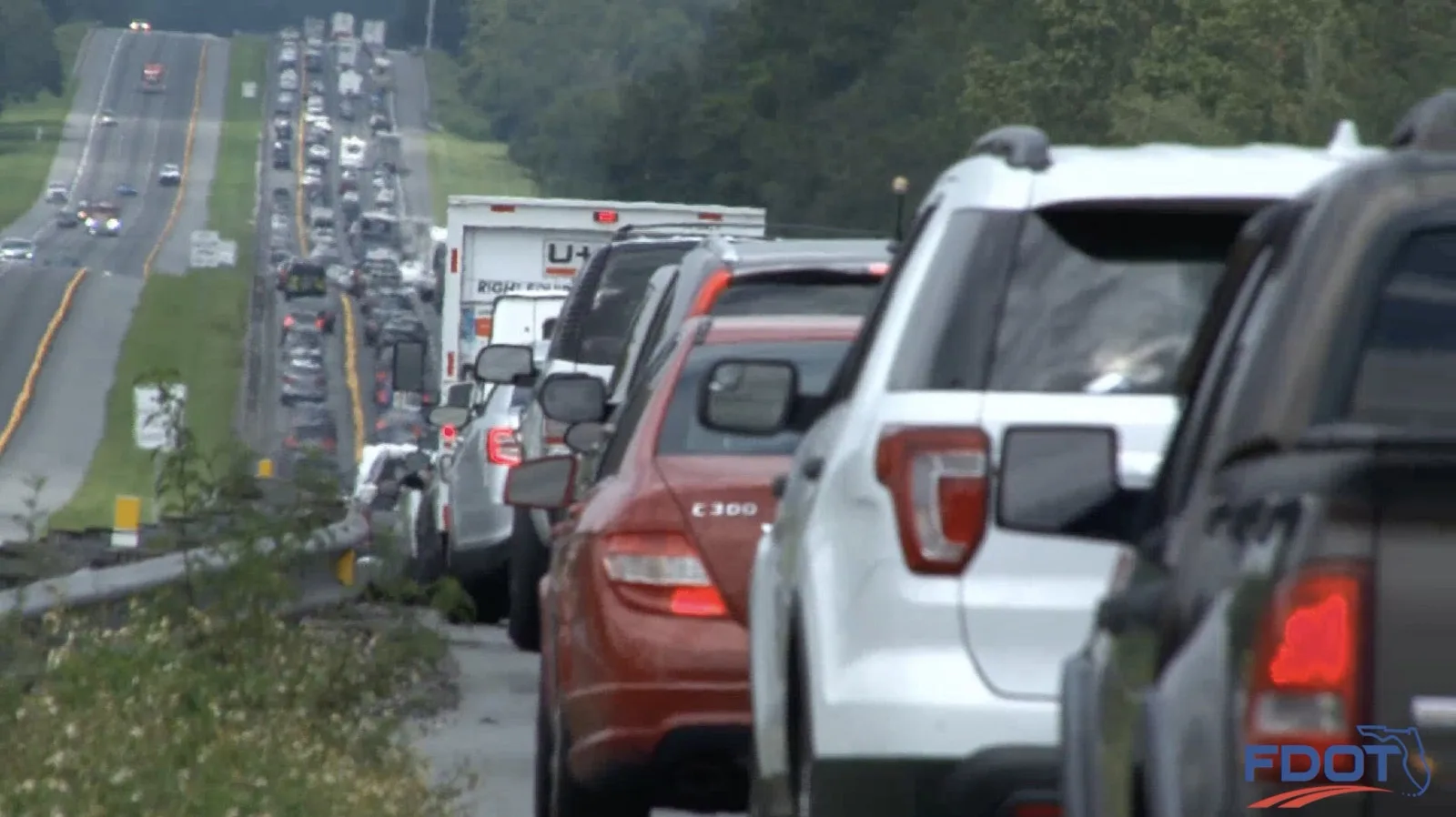
Florida’s Emergency Shoulder Use (ESU) policy allows cars to drive on highway shoulders during major hurricane evacuations to increase traffic flow and capacity. The program was first developed in 2017 ahead of Hurricane Irma as a replacement for One-Way Plans, which are also known as contraflows and lane reversals.
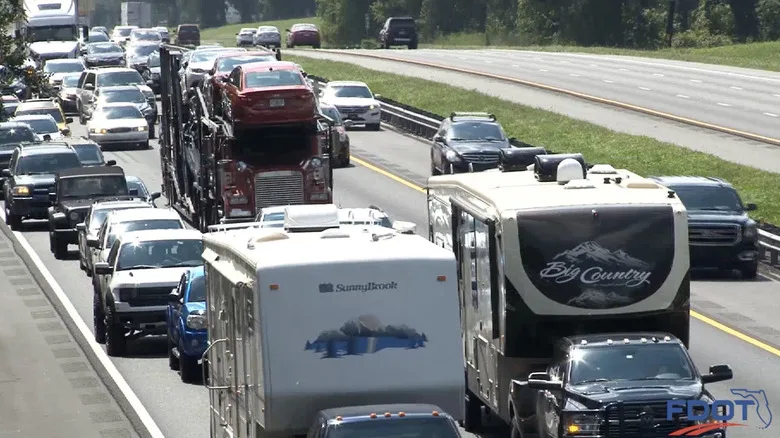
ESU allows for two-way traffic on the shoulders, which is preferable to contraflows because it causes minimal disturbance to traffic and is easy to deploy. The program is only used on certain sections of seven different highways throughout the state, including I-4, I-10, I-75, I-75 Alligator Alley, I-95, Florida’s Turnpike, and SR-528.
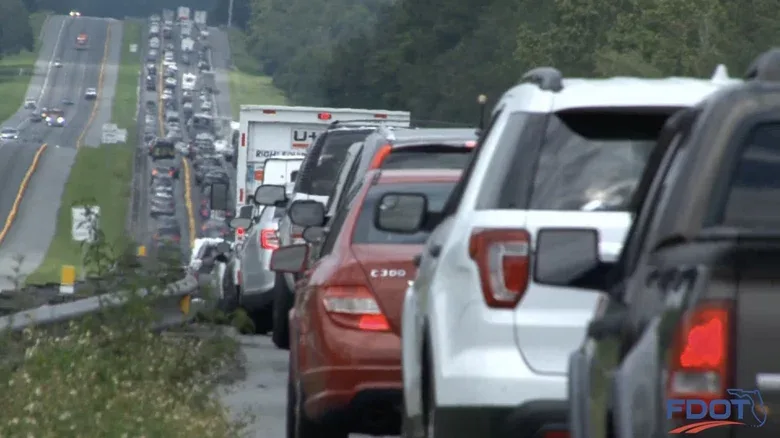
When ESU is operating, anyone can use the shoulder as a travel lane, except large trucks, buses, and drivers with a trailer. However, the shoulders are two feet narrower than standard lanes, so drivers should slow down and navigate carefully.
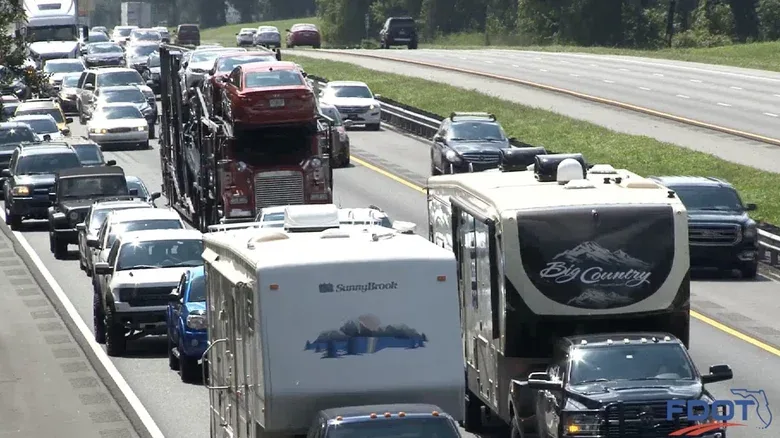
They should also watch out for gutters, inlets, and other places where the shoulder narrows, as well as debris and rumble strips. Florida annually reviews routes, plans, and standard operating procedures to see if more can be added to the ESU program.
📱 Follow our Telegram channel for daily updates
Source: Jalopnik (Auto Culture & Tuning) (jalopnik.com)