🔔 Read us on Telegram — don’t miss the latest automotive news → t.me/motorhub_en
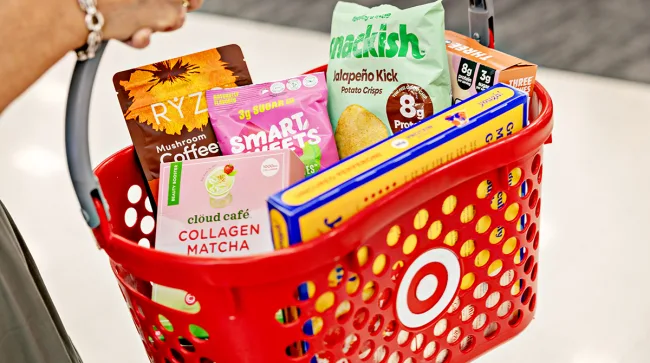
Target is rolling out a sweeping grocery overhaul in hundreds of stores, betting big on fresh produce, trendy snacks, and exclusive brands to revive its food aisles and drive more than $2 billion in growth. The retailer has introduced roughly 4,600 new food items so far in 2026, including collagen-infused matcha latte powder, mushroom coffee, gluten-free pumpkin spice cereal, and Khloé Kardashian’s protein-dusted popcorn, while expanding shelf space for Asian foods by about 75%. The strategy marks a sharp pivot from rivals like Walmart and Kroger, which are slashing prices amid inflation concerns, and instead leans into Target’s legacy as a stylish, trend-forward retailer. The company has expanded grocery sections by more than 20% in nearly 150 remodeled stores and more than 50% in 300 new locations, carving out space for fresh produce and cutting back on underperforming pantry staples. Target’s food and beverage segment, though less than 25% of revenue, has grown by more than $9 billion since 2019 and is outpacing most other divisions. New CEO Michael Fiddelke has prioritized improving product assortment, store experience, and technology, with food identified as a key focus alongside baby products, home goods, apparel, toys, gadgets, and sports. The retailer’s shares have surged more than 50% this year as turnaround efforts show early signs of momentum, with analysts expecting same-store sales to rise for a second consecutive quarter when Target reports earnings on August 19, 2026. Despite the aggressive push, some shoppers remain skeptical. Emma Woods, a 29-year-old dancer in Los Angeles, told Bloomberg she still prefers Whole Foods, Ralphs, and Trader Joe’s for groceries, citing limited selection and uncompetitive pricing. Target’s grocery identity has long been a point of contention—oscillating between a discount-driven chain and a trendy destination—with food often treated as an afterthought. More than half of its customers already buy groceries during Target visits, but the retailer aims to make food a primary draw. The strategy hinges on exclusive brands and trendy items to deepen customer loyalty and drive more frequent trips, though analysts warn the approach risks alienating price-sensitive shoppers in a $1 trillion U.S. grocery market dominated by Walmart, Kroger, and Costco.
📱 Follow our Telegram channel for daily updates
Source: Transport Topics — Michelin & Tires (EN) (ttnews.com)