🔔 Read us on Telegram — don’t miss the latest automotive news → t.me/motorhub_en
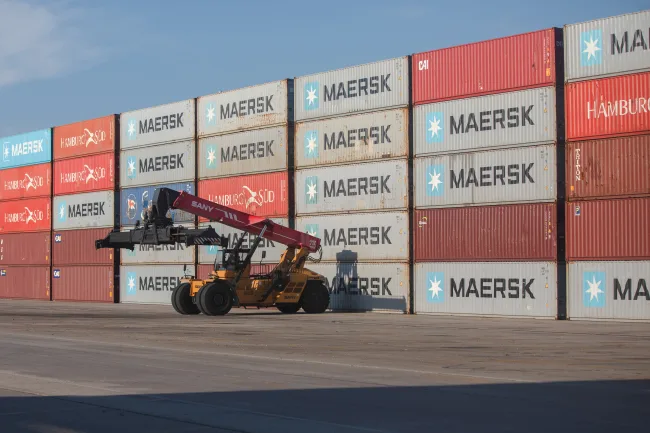
Global freight demand remains resilient as artificial intelligence infrastructure, electrification, and energy-transition cargoes drive strong shipping volumes despite geopolitical conflicts, extreme weather, and transportation bottlenecks. A.P. Moller-Maersk A/S, the world’s second-largest container carrier, raised its full-year outlook for the second time in seven weeks, citing higher freight rates and a “more resilient global economy than initially feared.” Maersk’s CEO Vincent Clerc told Bloomberg Television that demand for container transport is “very, very strong,” fueled by electrification needs such as power generation, storage, electric vehicles, data centers, and cooling systems. The shift in cargo composition is accelerating volume growth.
Hapag-Lloyd AG, the fifth-largest container line, reported strong exports from Asia and improved U.S. demand, which helped offset $600 million in cost headwinds last quarter tied to the Middle East conflict. DP World, the Dubai-based port operator and logistics giant, also posted increased revenue and higher container volumes in the first half, despite a sharp drop in ship arrivals at its flagship Jebel Ali port in the Persian Gulf.
Freight rates remain volatile as conflicts—including the war between Russia and Ukraine and tensions around the Strait of Hormuz—keep energy costs elevated. Droughts are drying up critical inland waterways such as the St. Lawrence Seaway, Rhine, and Danube rivers, while vessel bottlenecks grow at Chinese ports and queues lengthen at the Panama Canal. Despite these challenges, executives emphasize that underlying demand for goods transport remains broad-based, spanning sectors like grain, iron ore, steel, batteries, and wind turbine blades.
Maersk ranks No. 7 and Hapag-Lloyd ranks No. 17 on the Transport Topics Top 50 global freight carriers list.
📱 Follow our Telegram channel for daily updates
Source: Transport Topics — Michelin & Tires (EN) (ttnews.com)