
🔔 Read us on Telegram — don’t miss the latest automotive news → t.me/motorhub_en
The glorious muscle car era of the 1960s and 1970s saw American manufacturers stuffing massive V8 engines into cars, and Mopar was no exception. Among its legendary powerplants, the 440-cubic-inch V8 stands out as the largest production V8 Mopar ever built. Belonging to Mopar’s RB engine family and debuting in 1966, the 440 initially cranked out 350 horsepower. Output eventually peaked with the Dodge Six Pack and Plymouth Six Barrel engines, which utilized a trio of two-barrel Holley carbs to churn out 390 HP and 490 pound-feet of torque.
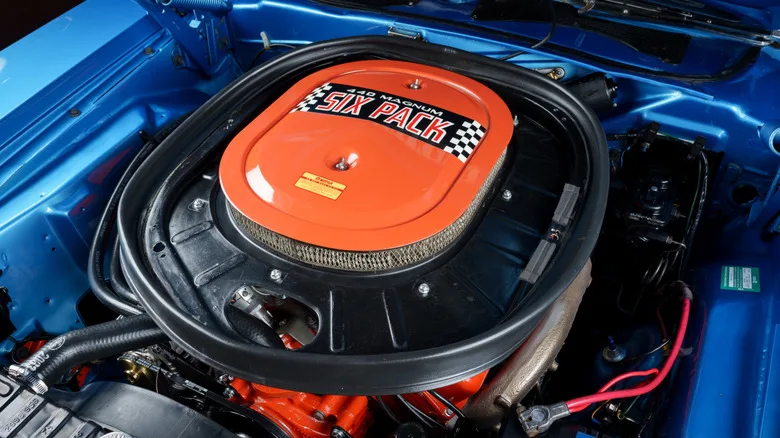
Unlike the rare 426-cubic-inch Hemi engines—which ran from 1966 to 1971 with only around 11,000 units ever made—the 440 enjoyed a much longer production run, making it significantly easier to find, more affordable, and a great value proposition for hotrodders. Even low-output 440s, such as those harvested from motorhomes, can surpass a stock Hemi when paired with aftermarket parts.
However, good things do not last. The excesses of the muscle car era were choked out in the early 1970s by a trifecta of emission regulations sparked by the Clean Air Act of 1970, rising insurance costs, and the 1973 oil crisis. To meet government mandates requiring emissions to be cut in half by 1975, manufacturers resorted to retarding timing, leaning out air-fuel mixtures, and dropping compression ratios, which triggered a steep decline in power. Insurance carriers also slapped massive premiums on performance cars.
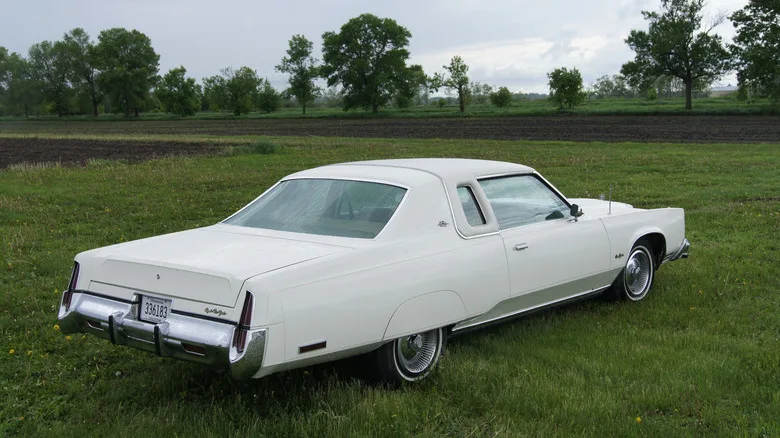
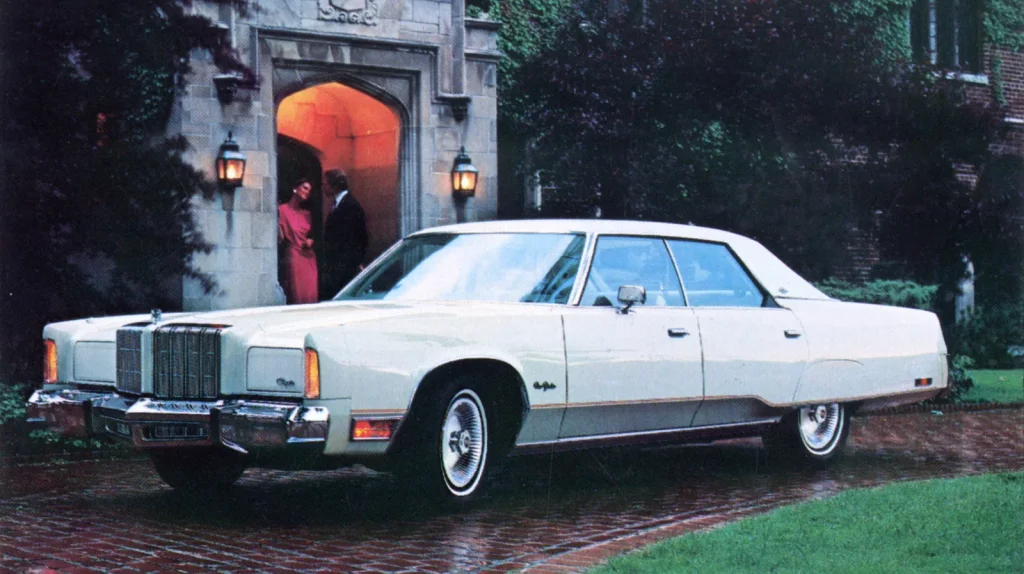
By 1978, the final year of the 440’s production run, output had dropped to a paltry 195 horsepower in the Chrysler New Yorker Brougham. That year, the only Mopar cars available with the 440 were the full-size Chrysler Newport and the larger, more opulent New Yorker Brougham, which cost $7,831. Trucks like the Plymouth Trail Duster and Dodge D150 could also be equipped with the 440 in 1978. Luxury buyers purchasing big boats like the New Yorker Brougham were the only ones who could still justify a big-block V8 and stomach the running costs. Ultimately, ever-tightening emissions and poor fuel economy—yielding around 10 MPG on a good day—meant the giant V8 could not survive into the 1980s, and after 1978, the 440 Mopar was no more.
📱 Follow our Telegram channel for daily updates
Source: Jalopnik