
🔔 Read us on Telegram — don’t miss the latest automotive news → t.me/motorhub_en
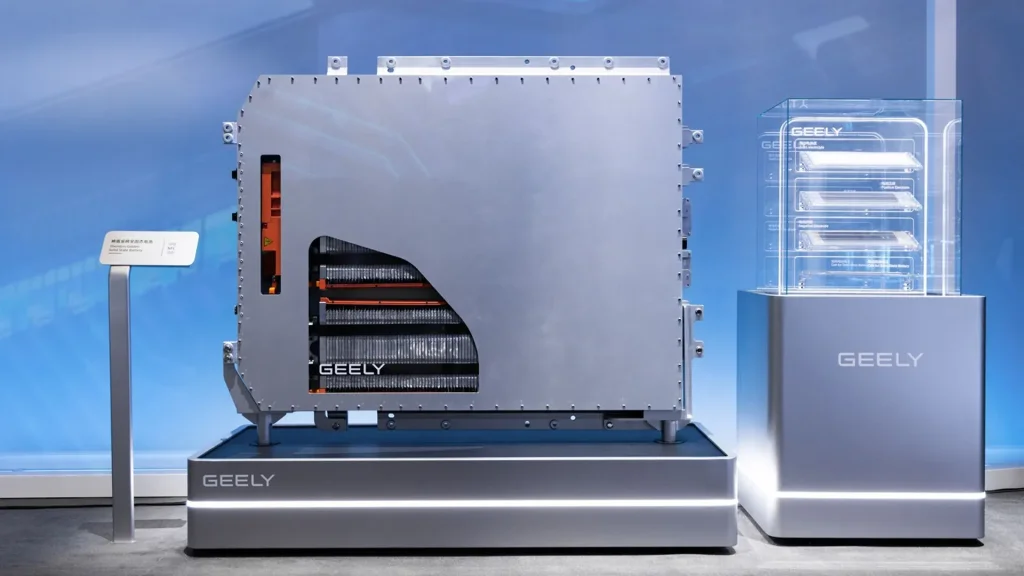
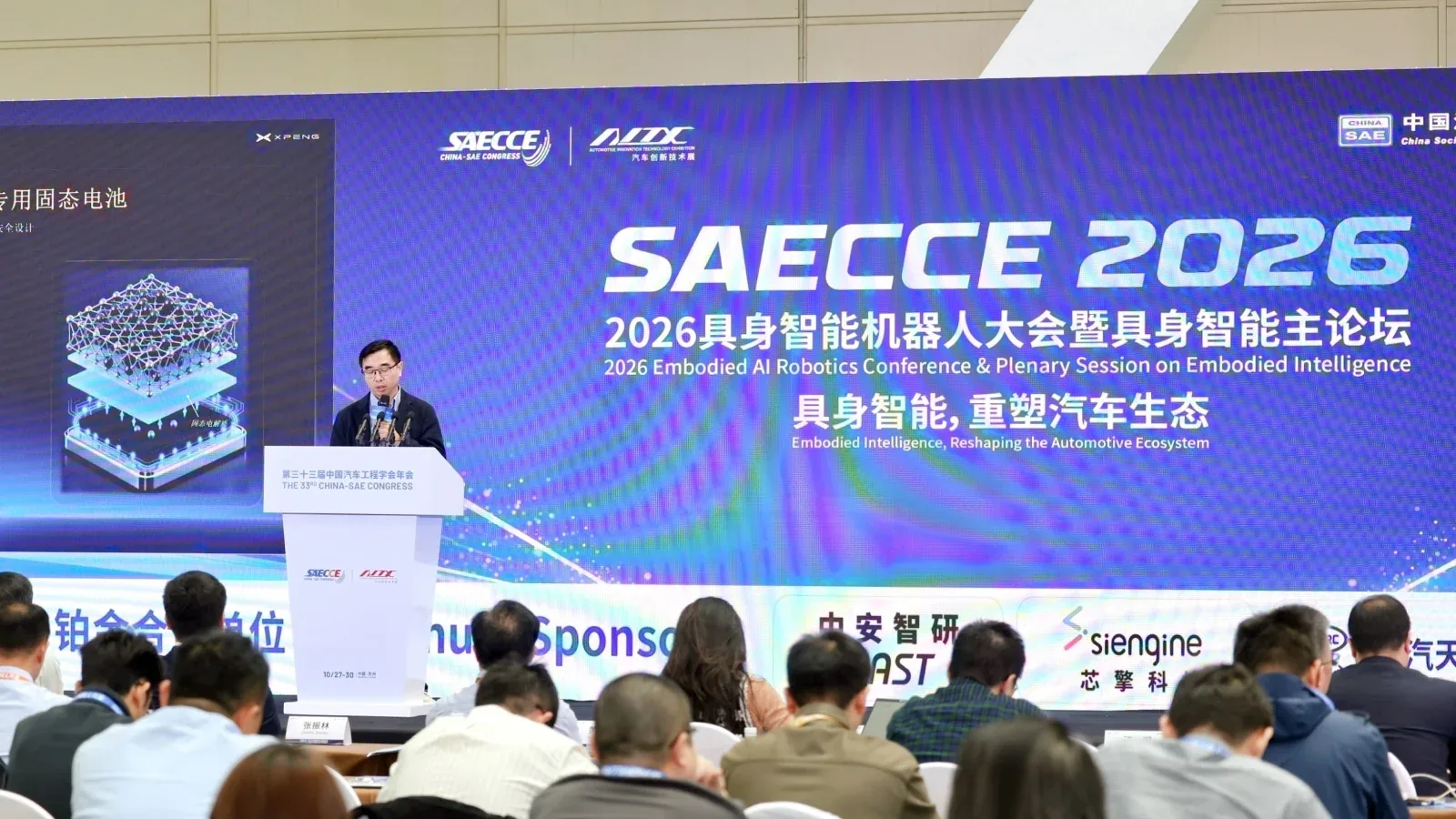
Engineers outlined ten key automotive technology trends projected for China by 2027 during the 33rd China Society of Automotive Engineers Annual Congress (China-SAE) in Suzhou. According to Zheng Yali, deputy secretary of the China-SAE, these trends highlight advancements in performance, cost reduction, new mass-production implementations, and scale-up applications. The first trend centers on solid-state batteries featuring a cell-level energy density of 400 Wh/kg, which are slated to enter the pilot-production stage with vehicle-level engineering validation by industry leaders.
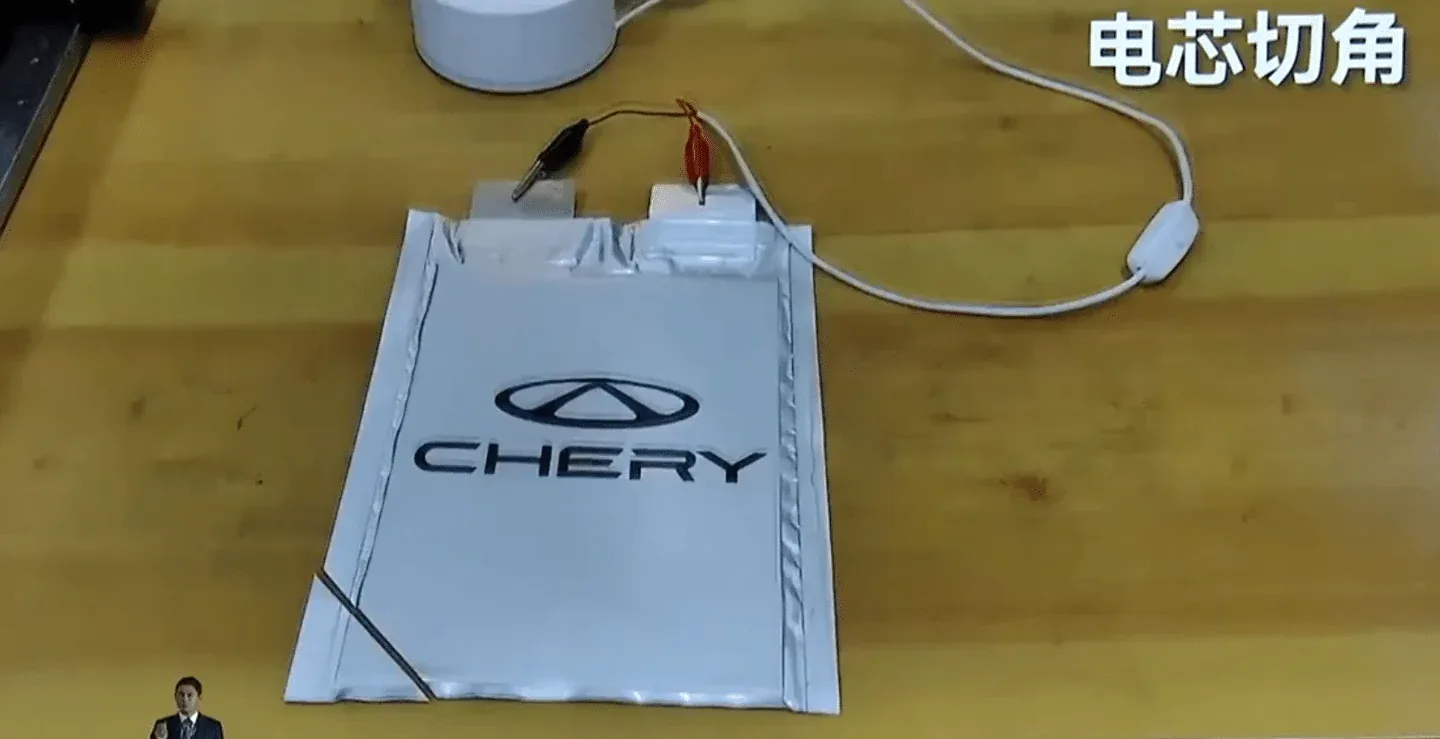
The second trend involves microcontroller units (MCUs) built on the open-source RISC-V processor architecture with scalable design for volume production, supporting customization across powertrain, braking, and safety controls. Third is integrated vehicle motion control technology, which acts as a bridge between driving demands and performance capabilities while coordinating braking and steering systems. The fourth trend is Vehicle-to-Grid (V2G) technology, enabling bi-directional grid regulation capacity on the order of millions of kW daily to support power system stability.
Fifth is the small-scale application of large integrated die-cast magnesium alloy vehicle body components, such as rear floor sections and tailgate structures, projected to cut vehicle weight by roughly 20%. The sixth trend features high-scale autonomous truck fleets with thousands of vehicles starting demonstration operations in environments like mines, ports, and railway operations. Seventh is wheel hub electric drive technology utilizing an in-wheel design to optimize spatial layout and transmission efficiency while enhancing steering vector control.
The eighth trend brings on-device AI models with 14 billion parameters into mass-produced vehicle cockpits, reducing cloud dependence and improving data privacy and task execution. Ninth is the transition of connected assisted driving systems to small-scale pre-installation backed by vehicle-cloud synergy to boost safety. Finally, the tenth trend is metal 3D printing for optimizing body structure design and fabricating complex components.
📱 Follow our Telegram channel for daily updates
Source: Car News China