
🔔 Read us on Telegram — don’t miss the latest automotive news → t.me/motorhub_en
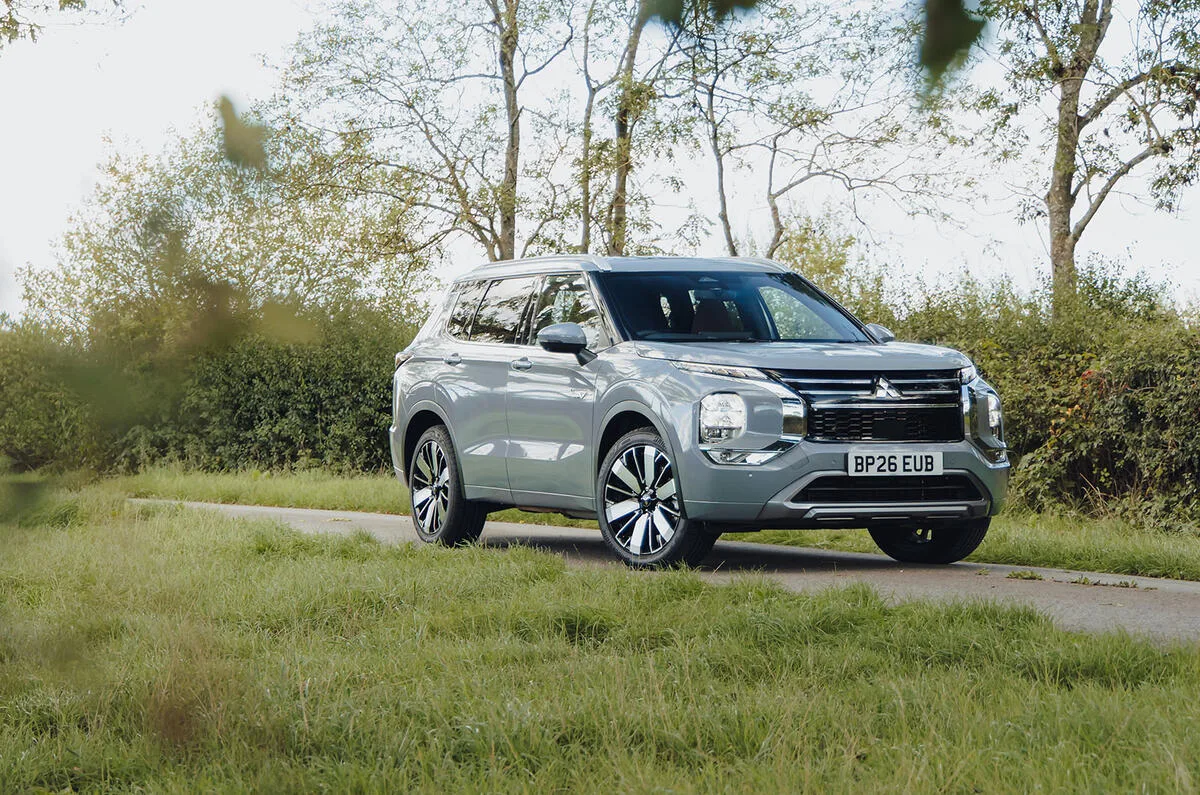
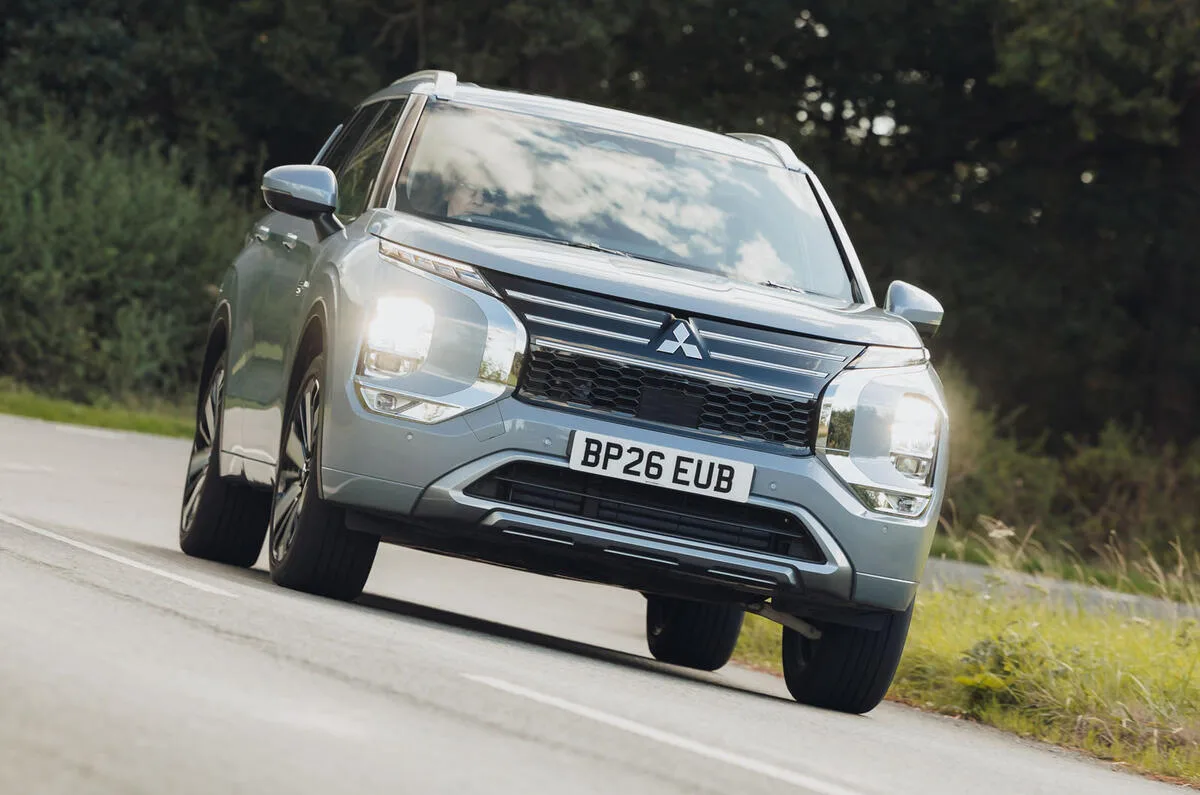
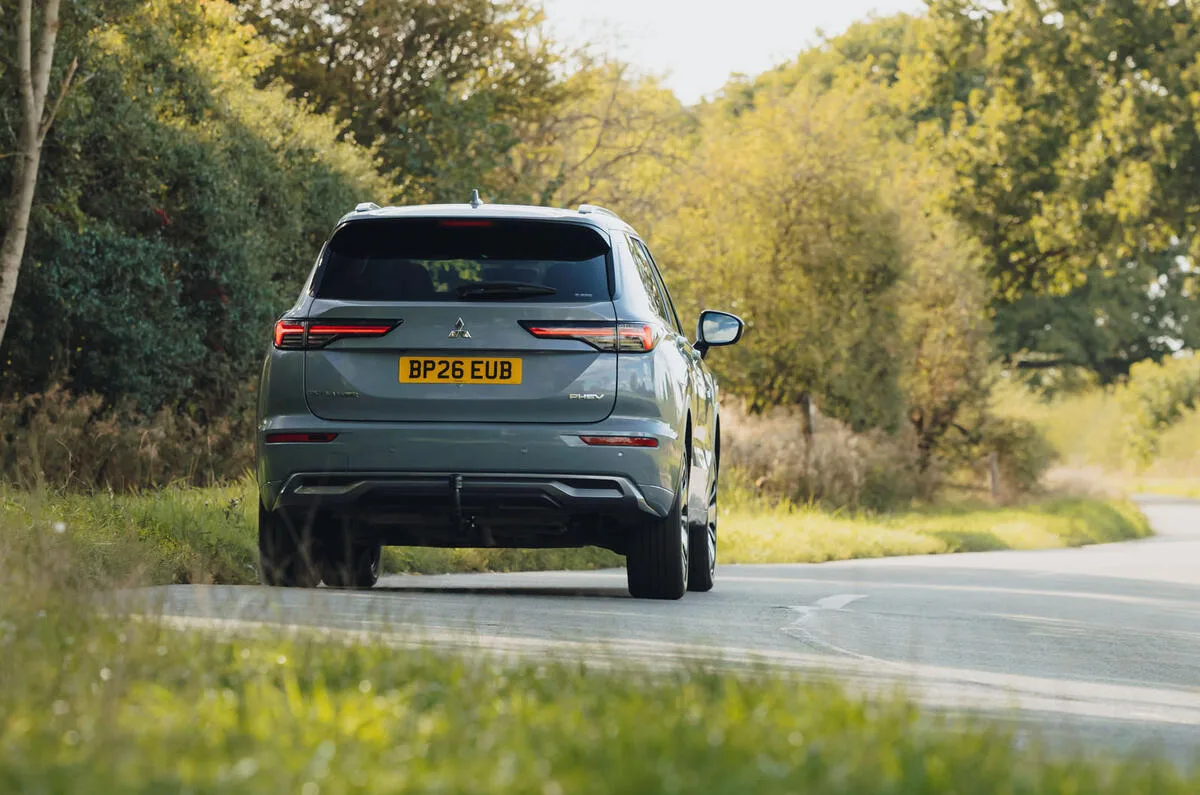
The Mitsubishi Outlander PHEV brings a plug-in hybrid powertrain that evolves from its predecessor, delivering an experience that often feels like driving a pure EV. The setup features EV, Normal, Save, and Charge modes, though these lack the sophistication of newer rivals by omitting a target percentage setting for Save and Charge, and failing to use navigation data to reserve electricity in Normal mode.
Instead, Normal mode simply depletes the battery first. Thanks to propulsion driven primarily by electric motors, the vehicle moves smoothly without gear-change jolts or clutch hesitation, keeping the engine quiet.
A noticeable electric motor whine adds a touch of character. Without engine assistance, the car can reach 62mph and tops out at 85mph.
Under full throttle, the engine behaves like a CVT, holding high revs to supplement battery power, resulting in non-linear acceleration that surges between 20-50mph. In testing, the Outlander completed 0-62mph in 7.5 seconds, beating its 7.9-second claimed figure.
When the battery is depleted, it loses only 0.2 seconds to 62mph while still beating the claimed time, though the engine becomes more noticeable during daily driving. The powertrain manages the 2160kg kerb weight well, but braking performance falters.
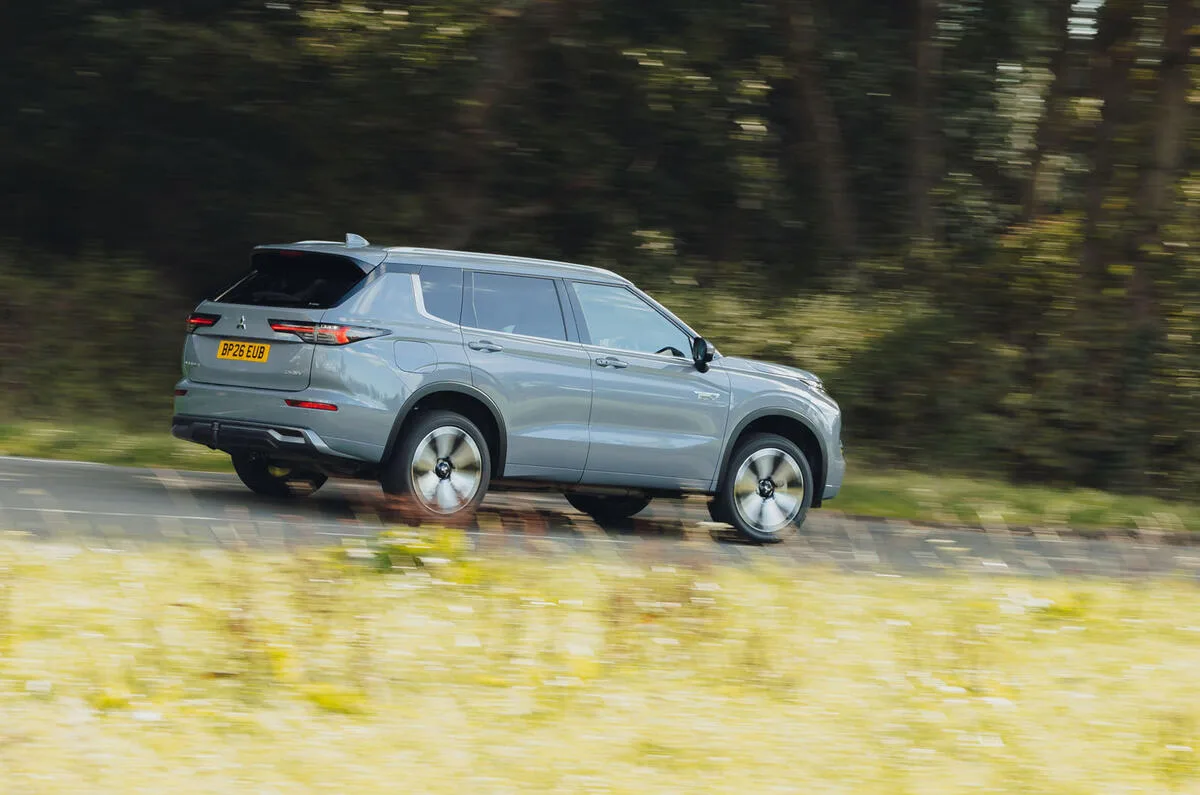
While regen paddles offer adjustable control and the pedal feels progressive yet slightly mushy, stopping distances are lengthy. The car requires 48.2m to stop from 70mph in the dry, lengthening over five consecutive stops, and takes 73.6m in the wet on summer tyres.
The tested model is the Mitsubishi Outlander PHEV Diamond, priced at £49,995, with a price as tested of £50,995. Additional tested performance metrics include 0-100mph in 18.1 seconds, 30-70mph in 6.1 seconds, and a standing quarter-mile in 15.6 seconds at 93.4mph.
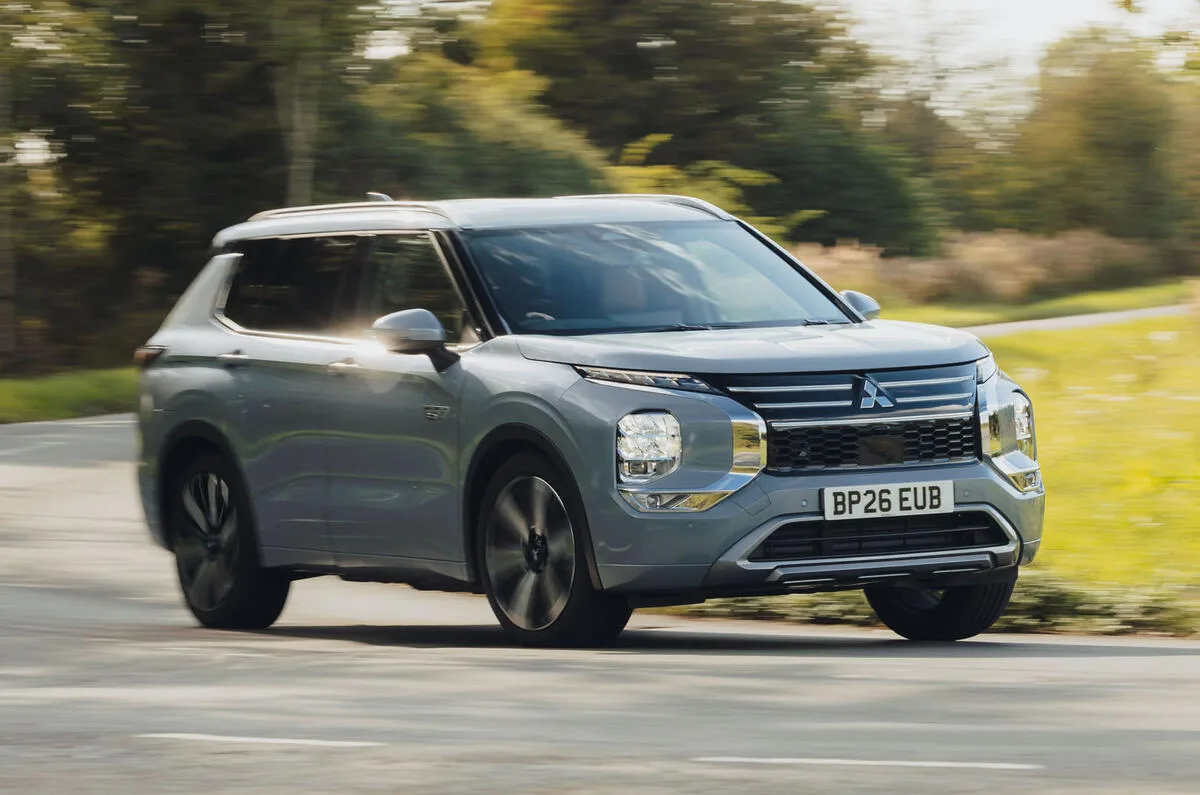
The claimed top speed is 106mph, power-to-weight stands at 137bhp per tonne, torque-to-weight is 155lb ft per tonne, and specific output is 57bhp per litre. Stopping distances from 30mph and 50mph measure 9.0m and 24.4m respectively.
📱 Follow our Telegram channel for daily updates
Source: Autocar UK