🔔 Read us on Telegram — don’t miss the latest automotive news → t.me/motorhub_en
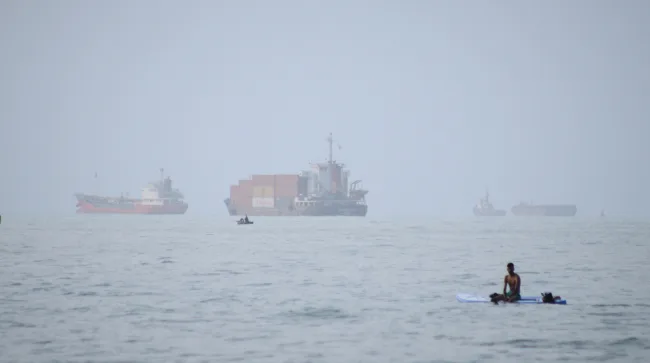
The U.S. government now forecasts that oil supply disruptions tied to the ongoing U.S.-Iran conflict will continue at roughly 600,000 barrels per day through the end of 2027, as shipping through the Strait of Hormuz remains severely constrained. According to the U.S. Energy Information Administration’s latest Short-Term Energy Outlook, oil flows through the Strait of Hormuz averaged 4.9 million barrels per day in Q2 2026, a sharp decline from 21.6 million barrels per day in Q4 2025, before the U.S. and Israel launched attacks on Iran. Despite a temporary lull in fighting following a memorandum of understanding, the disruption has deepened, marking one of the most severe shocks to global energy markets in decades. Talks between Iran and Oman to reopen the strait have made progress but no deal has been finalized. As the conflict enters its sixth month, global consumers face the growing likelihood of sustained higher fuel prices and inflationary pressure. The EIA has revised its 2026 gasoline and diesel price forecasts upward by 3.7% and 5.4%, respectively, and increased its 2027 retail gasoline price forecast by 6.5% compared to its previous month’s estimates. Real-time tracking of oil volumes through the Strait of Hormuz remains unreliable due to vessels disabling tracking systems, creating discrepancies in market estimates. Energy Secretary Chris Wright reported that about 9 million barrels of oil exited the strait daily over the past week. Middle East oil production shut-ins, which eased to an average of 5.5 million barrels per day in July from 7.5 million barrels per day in June, are expected to rise again to 6.6 million barrels per day in Q3 2026. Multiple Middle Eastern producers have cut output as limited access to global markets strains storage capacity. The EIA’s outlook assumes that recent threats to vessels carrying Saudi Arabian crude through the Bab el-Mandeb Strait have not led to additional production shut-ins. Under this assumption, the agency expects most production and trade flows to normalize by early 2027.
📱 Follow our Telegram channel for daily updates
Source: Transport Topics — Michelin & Tires (EN) (ttnews.com)