🔔 Read us on Telegram — don’t miss the latest automotive news → t.me/motorhub_en
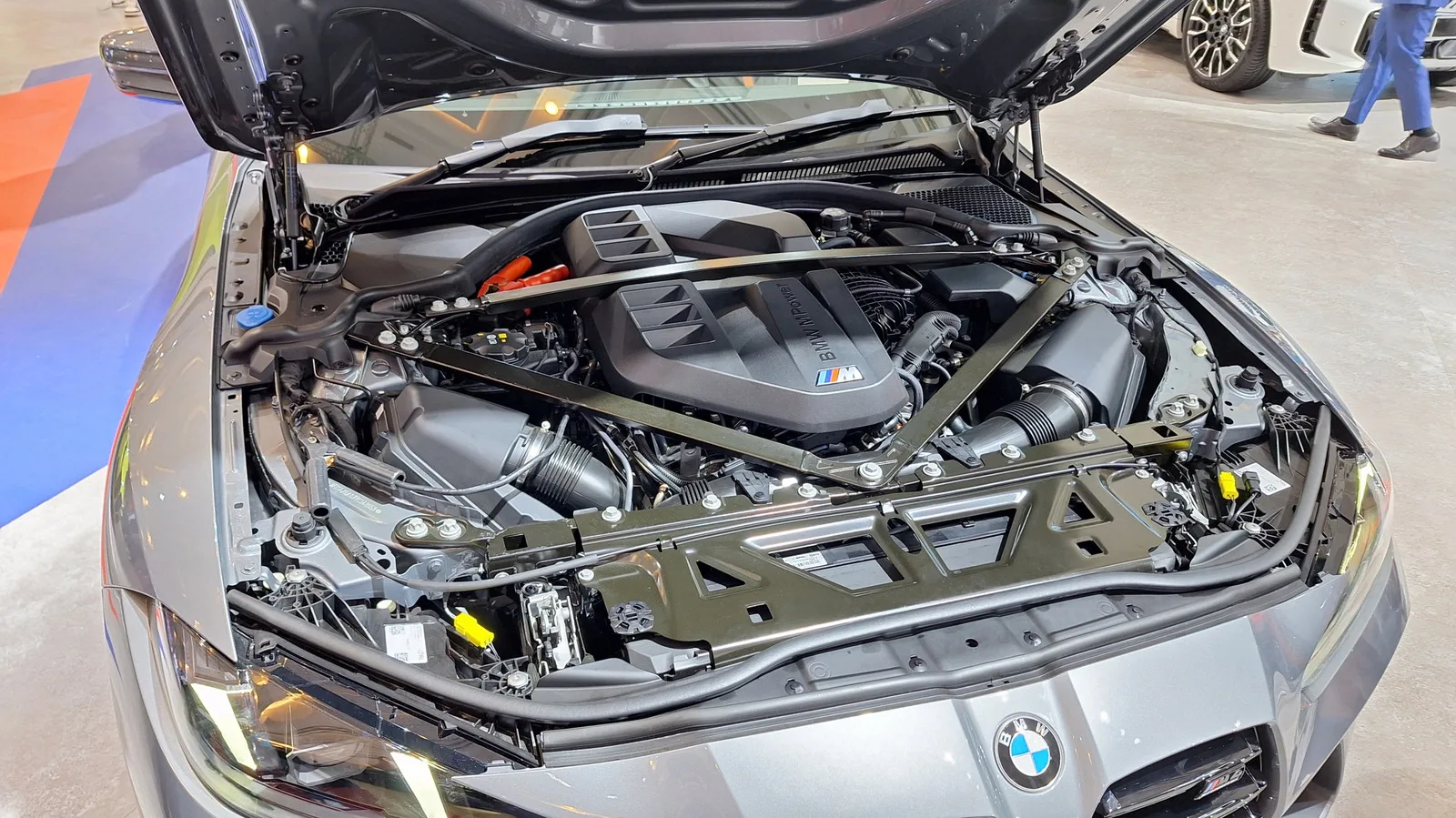
Inline-six engines—often called straight-sixes—have powered legends from JDM sports cars to German muscle machines and even heavy-duty semis, and now they’re making a comeback in luxury and performance segments. But despite their smoothness and character, these long, linear powerplants come with a few built-in drawbacks that keep them out of most mainstream cars. The biggest hurdle is packaging. A straight-six is inherently long, and mounting it transversely in a front-wheel-drive chassis requires major re-engineering for crash safety, homologation, and packaging—costs that most budget-oriented automakers aren’t willing to absorb.
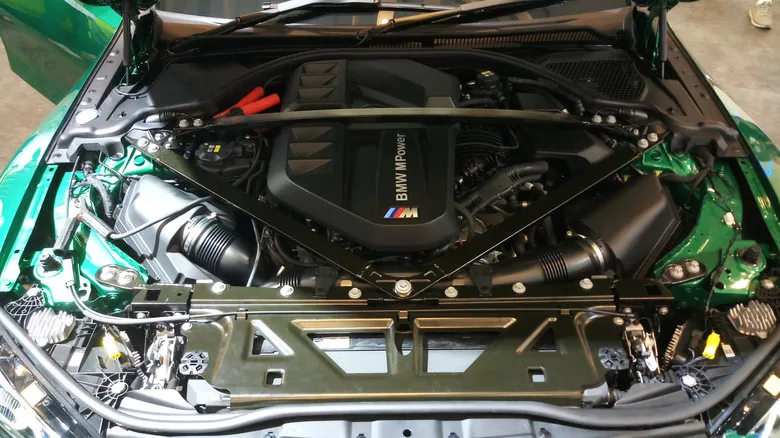
High-end models, with their larger footprints and fatter margins, can justify the expense, especially German brands with deep roots in inline-six engineering. Another Achilles’ heel is the straight-six’s weight distribution. Its long crankshaft and camshafts flex more under load than those in a V6 or inline-four, and its higher center of gravity—compared to a compact V6—can compromise handling in performance-oriented cars. Yet, as the Mk V Toyota Supra and the latest BMW M3 prove, modern chassis tuning can mitigate these issues.
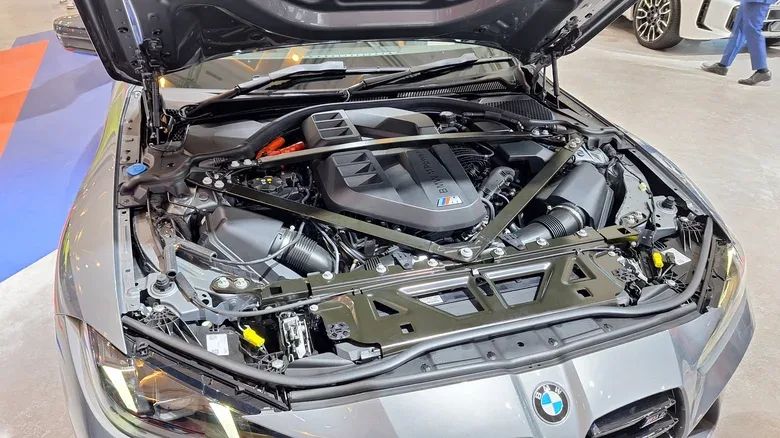
Where the straight-six truly shines is in balance. Its internal geometry naturally cancels primary vibrations (from piston up-and-down motion) and secondary vibrations (from piston speed variations), delivering a buttery-smooth operation that few other layouts can match. The inline-four, for all its efficiency, often struggles with vibration, while many V6s compromise on either primary or secondary balance. The straight-six also delivers a distinct, characterful exhaust note—far removed from the buzzy rasp of an inline-four—though some V6s can sound just as appealing.
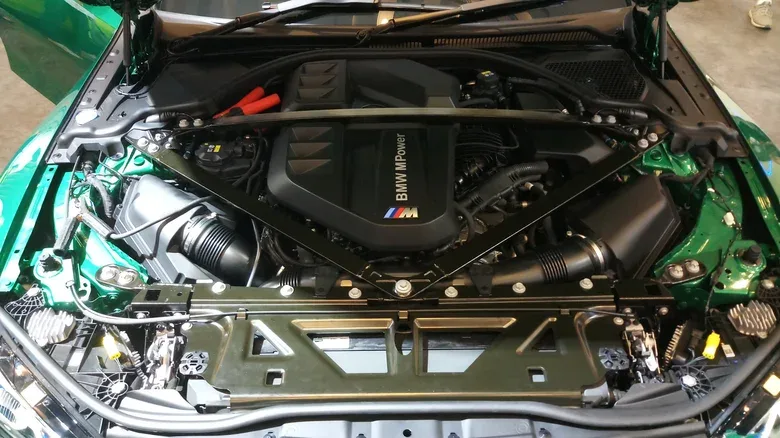
Simplicity is another advantage. With a single cylinder head, a single exhaust manifold, and fewer mirrored components than a V6, the straight-six is mechanically simpler. But don’t expect easy wrenching: modern straight-sixes are so tightly packaged that even routine maintenance requires removing multiple components. Peek under the hood of a BMW G8X M3, and the cramped engine bay is a stark reminder of how packaging compromises accessibility. Still, that’s a trend across most new engines, not just the straight-six.
📱 Follow our Telegram channel for daily updates
Source: Jalopnik (Auto Culture & Tuning) (jalopnik.com)