🔔 Read us on Telegram — don’t miss the latest automotive news → t.me/motorhub_en
Tires aren’t just black rubber doughnuts—they’re engineered safety components with strict speed and load limits that most drivers ignore at their peril. Every tire carries two critical ratings stamped on its sidewall: a load index (how much weight it can support) and a speed rating (the maximum speed it can sustain without failing). Ignore these, and you risk degraded handling, poor braking, and even catastrophic tire failure.

The speed rating isn’t about chasing top speed; it’s about structural integrity under real-world loads. A tire rated for 130 mph (H) won’t safely handle sustained speeds of 140 mph, even if your car’s engine can push it there. Modern tires come in symmetrical, directional, or asymmetrical tread patterns, and the category keeps expanding with all-weather tires that outperform standard all-season rubber in snow and slush.
But no matter the tread design, the load index and speed rating remain non-negotiable. For example, the Goodyear Assurance Finesse (215/55/R17) all-season tire carries an H (130 mph) speed rating and a 94 load index (1,477 lbs per tire), while the Goodyear Assurance Maxlife in the same size jumps to a V (149 mph) rating with the same load capacity. The difference?
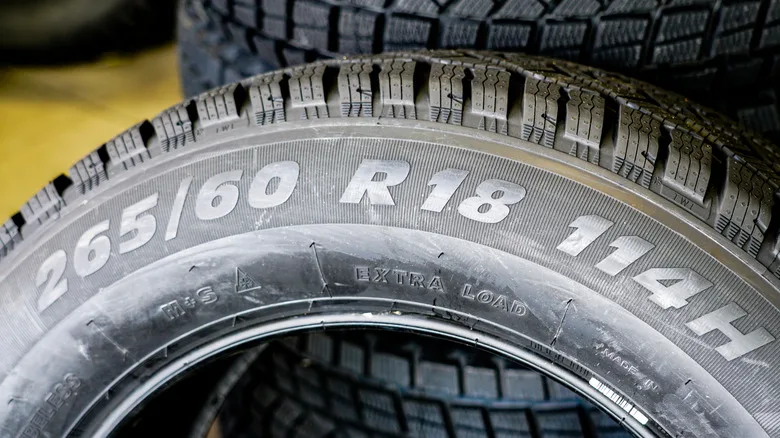
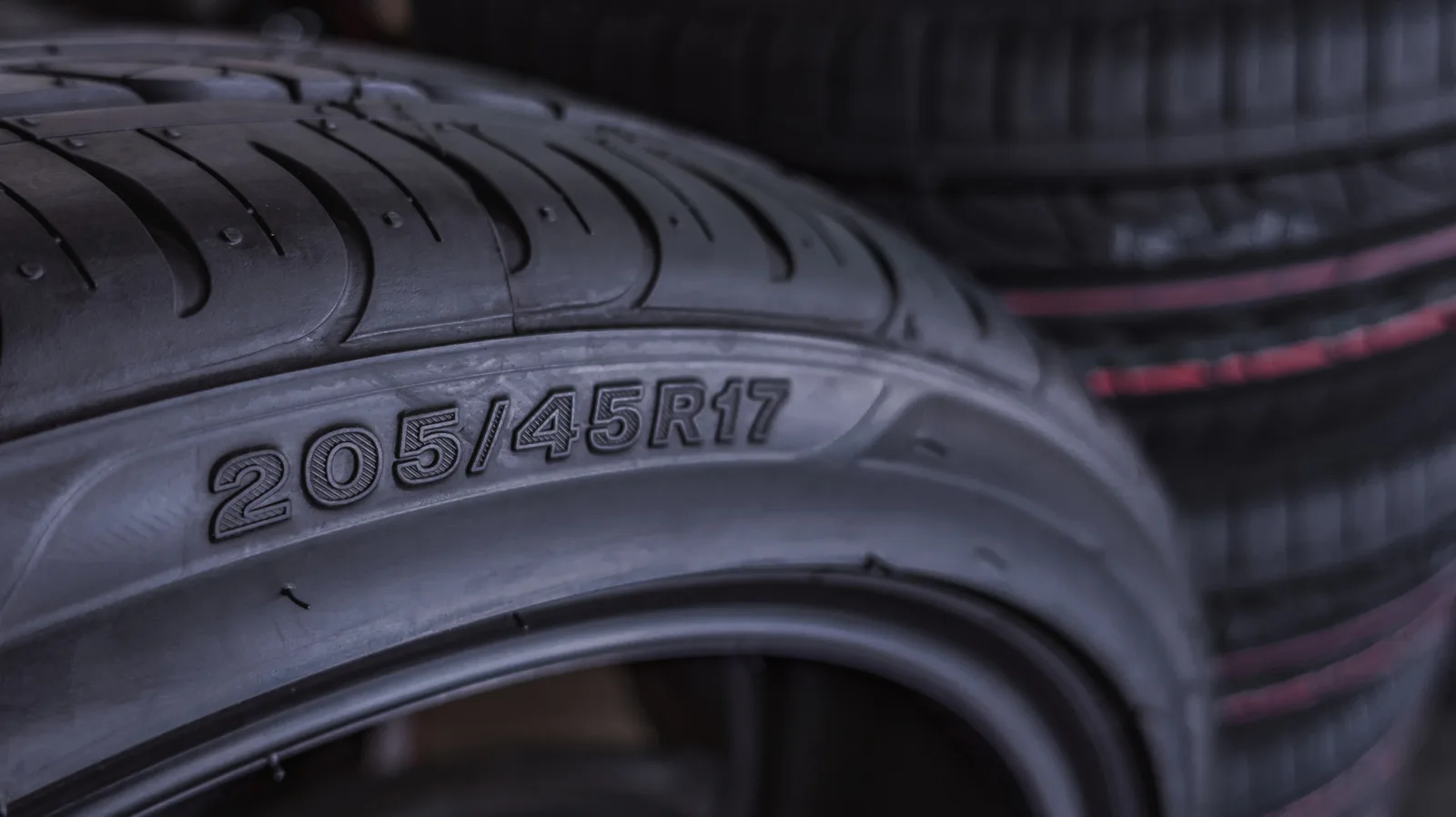
Higher speed ratings often mean better traction and braking, but faster wear. Lower ratings can offer a smoother ride and longer tread life, but with reduced grip. The speed rating is typically found alongside the load index on the sidewall—look for codes like P215/55/R17 99W, where 99 is the load index (1,709 lbs per tire) and W denotes a 168 mph top speed.
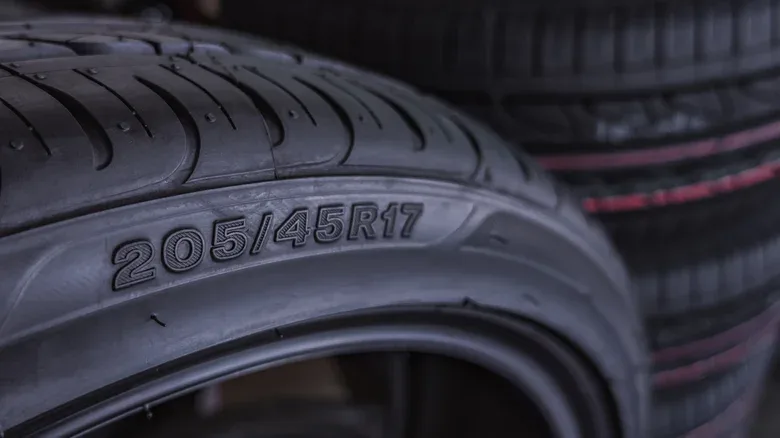
When the U.S. adopted letter-based speed ratings in the 1970s, common ratings were S (112 mph), T (118 mph), and H (130 mph). Today, high-performance tires stretch to V (149 mph), Z (149+ mph), W (168 mph), and Y (186 mph). A ZR marking (e.g., 215/55ZR17 93W) indicates a top speed exceeding 149 mph, but the actual limit is capped by the secondary rating—often W (168 mph).

The takeaway? Always match replacement tires to your vehicle’s manufacturer specs. Upgrading to a higher speed rating is usually acceptable, but downgrading can compromise safety. And no, your tires won’t magically handle speeds beyond their rating just because your car can.
📱 Follow our Telegram channel for daily updates
Source: Jalopnik (Auto Culture & Tuning) (jalopnik.com)