🔔 Read us on Telegram — don’t miss the latest automotive news → t.me/motorhub_en
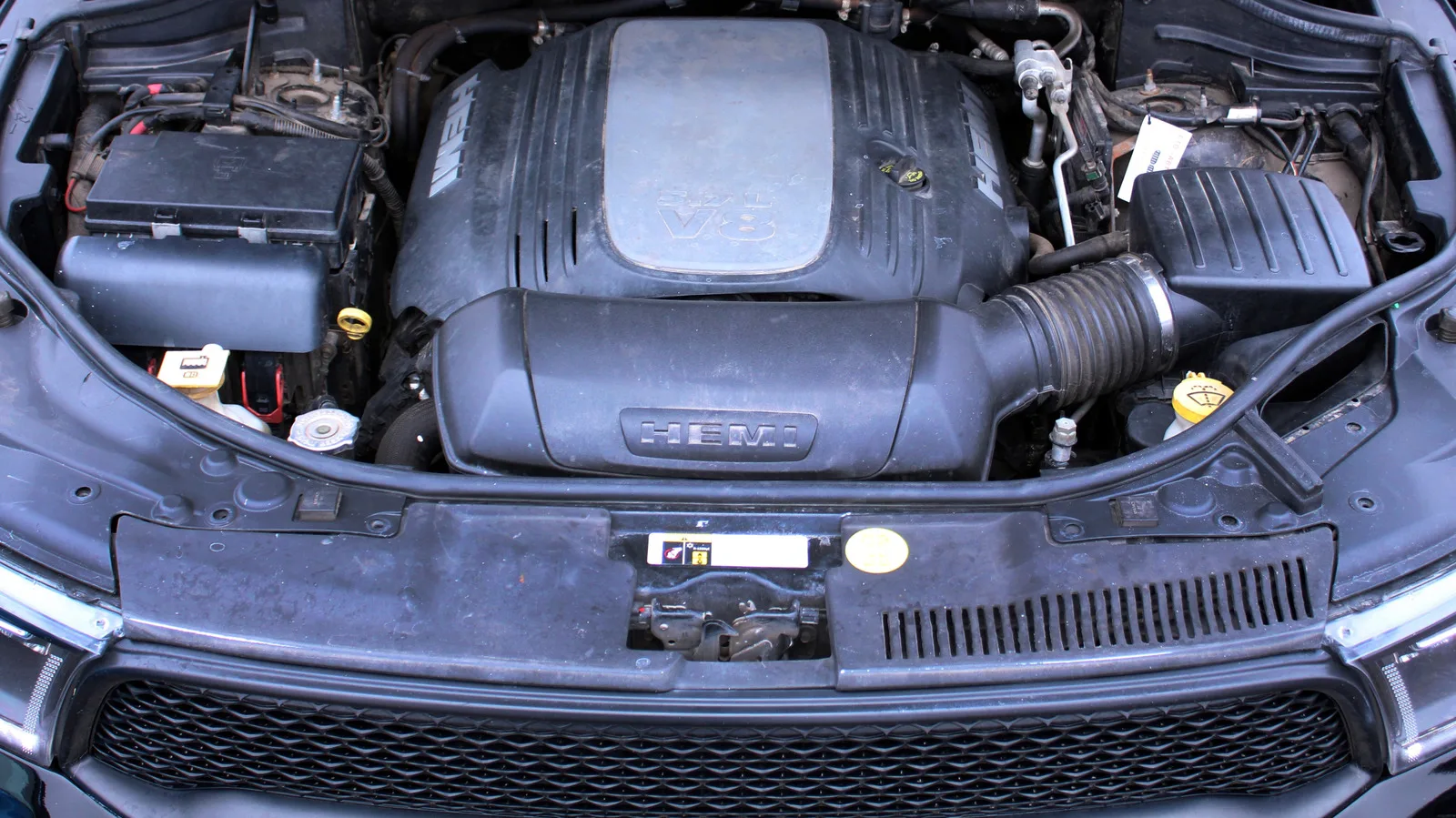
Chrysler’s third-generation 5.7-liter Hemi V8 vanished from production for 32 years after 1971, only to return in early 2003 for Ram trucks. The first wave—dubbed the pre-Eagle Hemi—arrived with a 9.6:1 compression ratio, square exhaust ports flowing 270 CFM, and no variable valve timing (VVT).
Power outputs ranged from 330 to 350 horsepower and 370 to 390 pound-feet of torque depending on the application. The block lacked VVT hardware, so oil passages, front cam journal, and crank trigger were all built without those provisions.
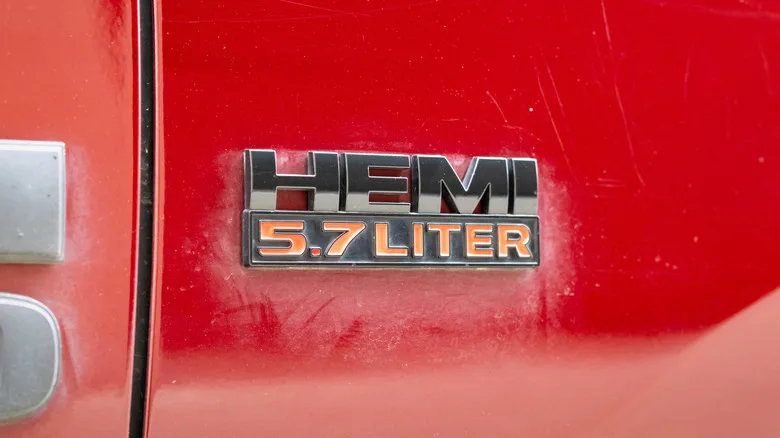
Pre-Eagle Hemis also suffered from a well-documented issue: aluminum heads expanding at a different rate than the steel valve seats, causing seats to drop into the combustion chamber. Enthusiasts often swap in updated seats and fit a 180-degree thermostat (versus the stock 203-degree unit) to mitigate the problem.
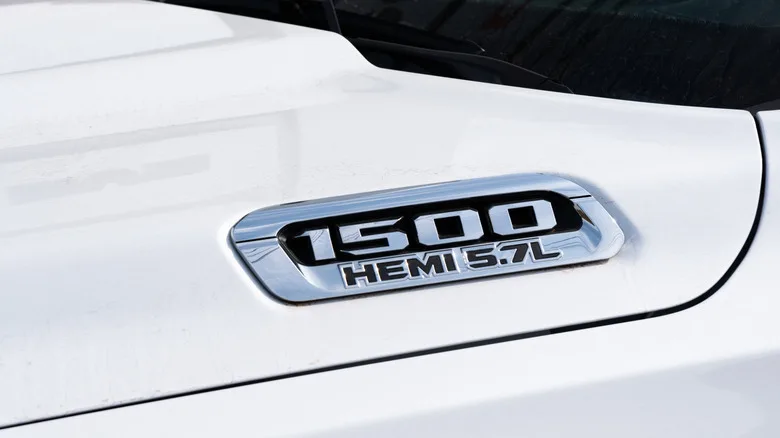
In 2009, Chrysler rolled out the Eagle Hemi, the second iteration of the 5.7-liter. The Eagle added VVT, bumped compression to 10.5:1, reshaped the exhaust ports to D-shaped for better flow (330 CFM), and upgraded valve springs plus a beefier crankshaft.
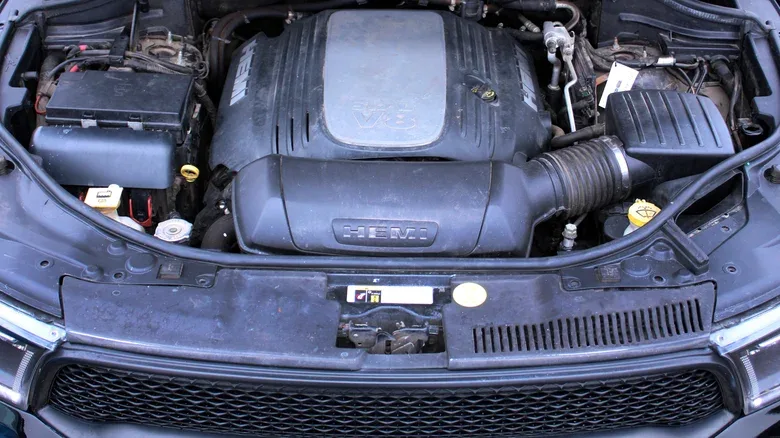
Power climbed to between 360 and 395 horsepower and 394 to 410 pound-feet of torque. To support VVT, engineers revised the block’s oil passages, front cam journal, and crank trigger, plus altered the cylinder heads—leaving few parts interchangeable with the pre-Eagle.
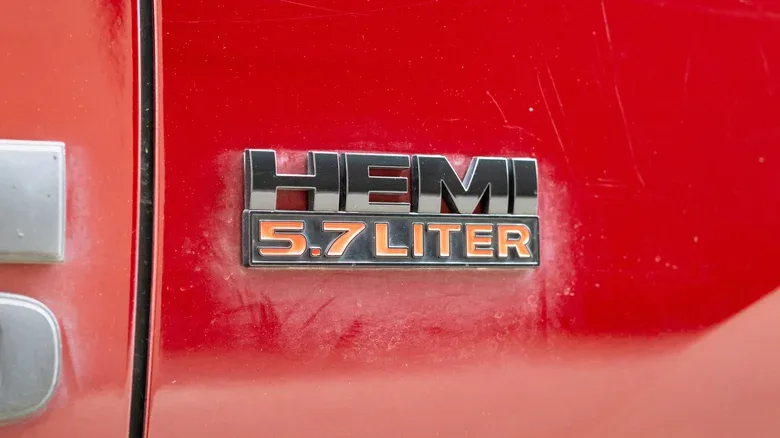
The Eagle Hemi introduced a new Achilles’ heel: a failure-prone roller lifter design that triggers the infamous “Hemi Tick.” The roller tappet cam can destroy lobes if oil pressure drops, so owners are advised to change oil every 5,000 miles or six months using full synthetic and a quality OEM filter. Upgrading to a Hellcat oil pump raises oil pressure, while any cam or lifter replacement should stick to OEM Mopar components.

In short, the Eagle Hemi delivers more power through improved airflow and VVT, but each generation carries its own reliability baggage worth weighing before you buy.
📱 Follow our Telegram channel for daily updates
Source: Jalopnik (Auto Culture & Tuning) (jalopnik.com)