🔔 Read us on Telegram — don’t miss the latest automotive news → t.me/motorhub_en
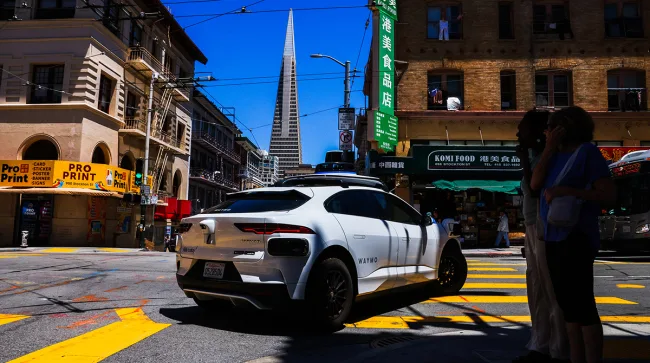
Autonomous robotaxi services operated by Waymo, Zoox and Tesla are facing unexpected operational headaches as passengers increasingly fall asleep, spill drinks, vomit, drop food and even give birth inside the driverless vehicles. In Austin, Texas, emergency responders logged 99 “sleeper” incidents in the first nine months of Waymo’s service, according to Austin-Travis County Emergency Medical Services Commander Roger Patterson. While only about 3% of these calls resulted in hospital transport, the sheer volume of false alarms is straining municipal resources. Remote human monitors attempt to wake sleeping passengers via in-car speakers and interior cameras, but when those efforts fail, protocol often dictates a 911 call. Dispatchers must treat unresponsive passengers as potential medical emergencies — even if the person is simply napping. “We don’t want to commit a significant number of resources to these calls when, statistically, we know that most of the time, these people do not need further medical treatment,” Patterson told an Austin City Council meeting in April. The issue is compounded by other disruptions: passengers forgetting to close doors, leaving vehicles blocking emergency routes, and in one documented case in San Francisco, a widespread blackout in December 2025 paralyzed more than 60 Waymo robotaxis on city streets, forcing first responders to manually move them. The National Highway Traffic Safety Administration (NHTSA) has intervened, issuing a letter in July 2026 urging autonomous vehicle companies to address disruptions at emergency scenes. The agency cited instances where robotaxis ignored flares, traffic cones and obstructed ambulances. Fire Chief Tom Dwiggins of Chandler, Arizona — a Phoenix suburb served by Waymo — emphasized the need for standardized emergency procedures. “We would love to see one standard approach across the board,” he said. “If you expect a firefighter in a 4-minute response to look up research, try to figure out which vehicle it is, what type of platform it’s on, what company — that’s not going to happen.” Despite the growing pains, robotaxi operators have begun implementing incentives to discourage passengers from damaging or soiling vehicles, which lack human oversight. Waymo, Zoox and Tesla have not publicly released comprehensive statistics on sleeping passengers or mid-ride emergencies, making it difficult to assess the full scale of the problem. Cities like San Francisco, a key testing ground for the technology, have not disclosed incident numbers publicly, though Austin officials revealed that San Francisco experienced 250 such incidents in 2025. The rollout of autonomous taxis is increasingly resembling a large-scale social experiment, testing both the technology and human behavior in real-world conditions.
📱 Follow our Telegram channel for daily updates
Source: Transport Topics — Michelin & Tires (EN) (ttnews.com)