
🔔 Read us on Telegram — don’t miss the latest automotive news → t.me/motorhub_en
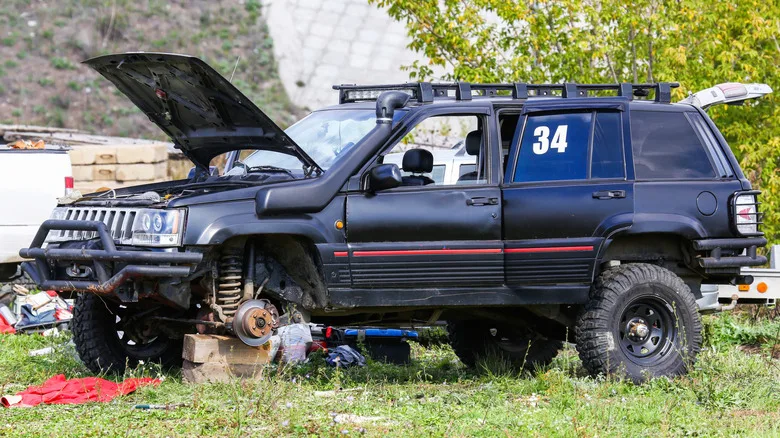
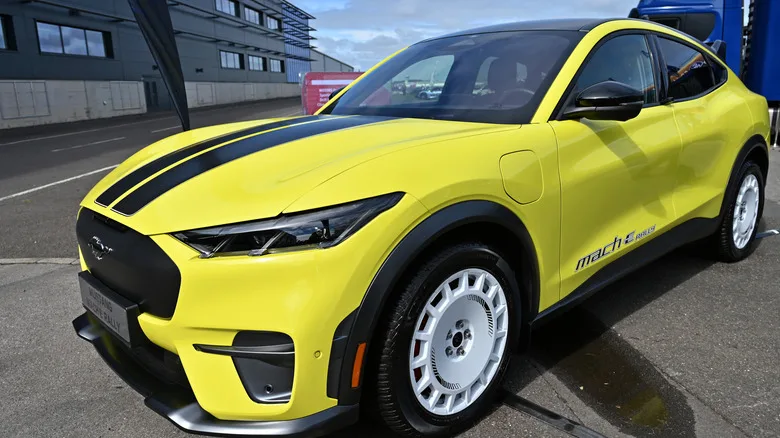
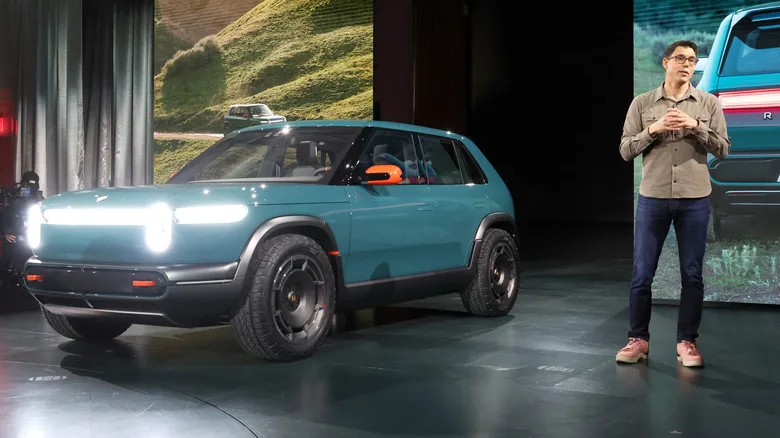
For decades, the off-road debate centered on whether gas or diesel trucks made better trail rigs. Now, gas and diesel enthusiasts face a new competitor: electric SUVs built for off-roading. While it once seemed impossible for an EV to match off-road all-stars like the Toyota Tundra, Subaru Forester Wilderness, and Mercedes-Benz C-Class, the 2021 introduction of the Rivian R1S and R1T shook up the off-road world. Modern EVs prove capable on pavement and can be tuned for rock crawling, offering significant benefits over internal combustion engine vehicles. Many EVs feature excellent ground clearance and require less specialized gear to conquer tough wilderness trails. However, gas and diesel SUVs are not obsolete, as range remains a major drawback. Yet, as battery tech improves, the dominance of internal combustion rigs is fading.
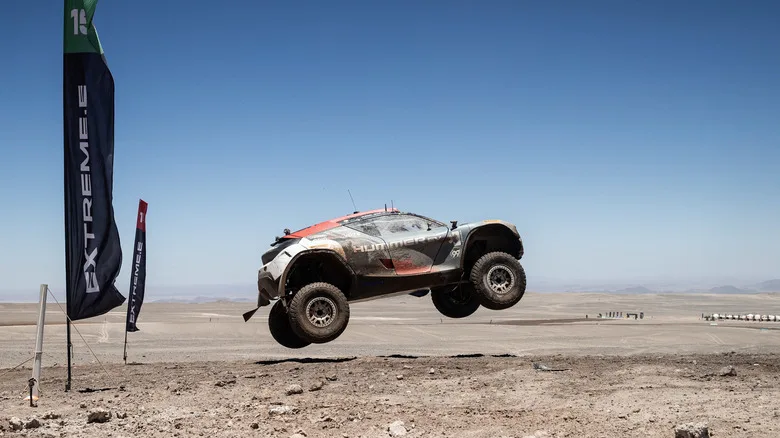
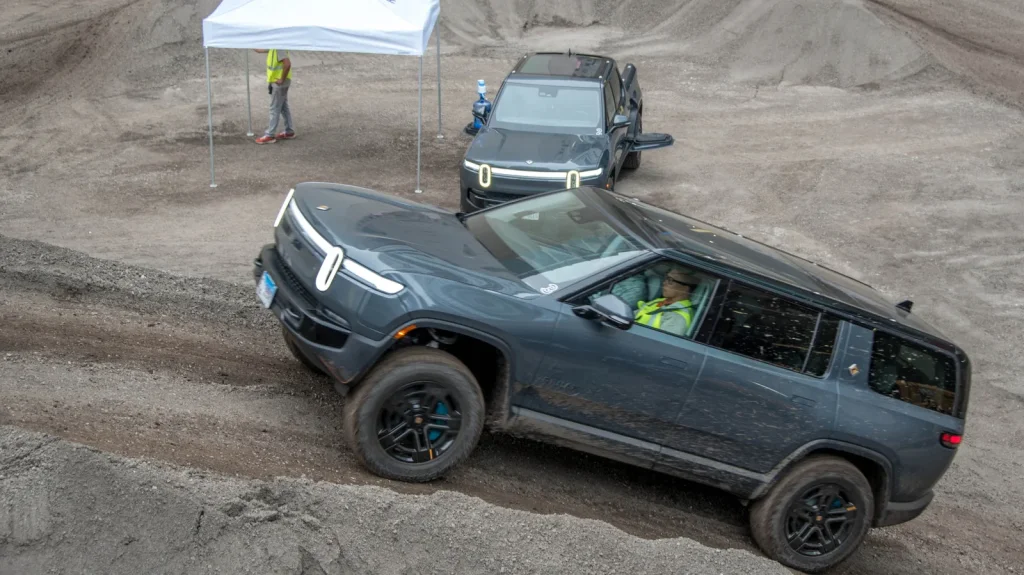
Pro: EV drivetrains are a game changer. Navigating treacherous ruts, boulders, and loose dirt takes care, patience, and torque. Traditional off-roading requires managing gears to keep engine RPMs in the sweet spot for maximum torque, which is difficult and can lead to getting stuck or breaking parts. EVs eliminate RPM management, switch flipping, and instincts to access constant maximum torque on demand the moment you hit the accelerator. Electric motors deliver max torque instantly from a stop, giving EVs thrilling acceleration and making models like the Rivian R1 formidable off-roaders. Complex internal combustion systems—four-wheel low, four-wheel high, transfer cases, and locking differentials—are handled by electric motors. The GMC Hummer EV uses a tri-motor drivetrain, while the Rivian R1 uses a quad-motor setup, sending precise torque to individual wheels and providing massive crawling capability with minimal gear.
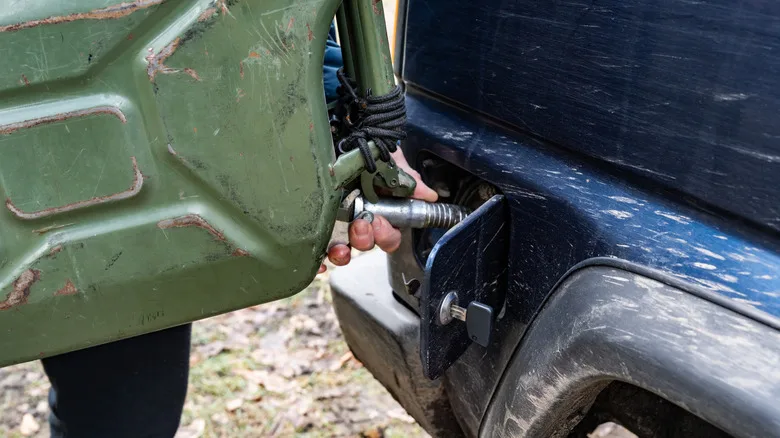
Con: Hard range limits could ruin your day. Range has been an ongoing EV challenge, and while daily driving with a Level 2 charger makes this easy to overcome, the trail is different. Once on a trail, topping up is unreliable, and running out of battery at zero percent leaves you stranded in the middle of nowhere. Gas and diesel SUVs can easily carry spare gas cans to refuel on the go and extend range beyond a single tank, or help you reach civilization. EVs lack this option, as hot-swapping batteries on the fly is not a reality, and charging infrastructure near remote trails is not guaranteed. This creates a hard ceiling on EV trail mileage, compounded by the fact that you might not even start the trail with a full charge when venturing deep into the wilderness.
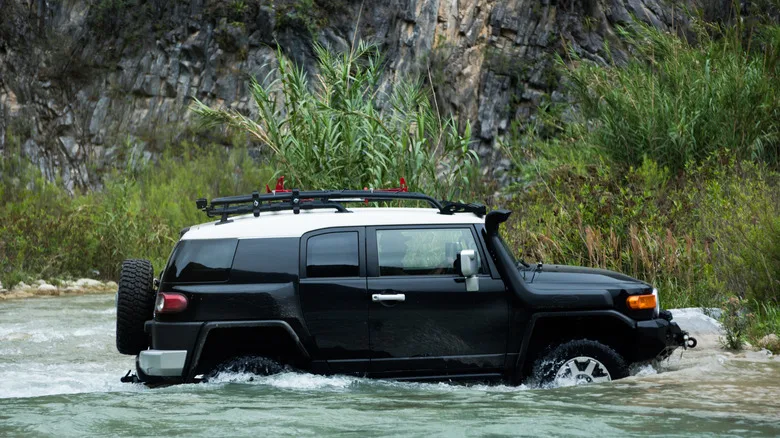
Pro: There’s just not much to break. Although popular off-roaders evolved from military vehicles, they are far from indestructible. Gas-powered off-roaders rely on specialized equipment that is prone to breaking under heavy trail abuse. EVs feature fewer components to break and require very few fluids—no gasoline, engine oil, transmission fluid, or power steering fluid. This means no lost oil pans on boulders, no broken fuel lines, and no coolant leaks causing overheated engines.

📱 Follow our Telegram channel for daily updates
Source: Jalopnik