🔔 Read us on Telegram — don’t miss the latest automotive news → t.me/motorhub_en
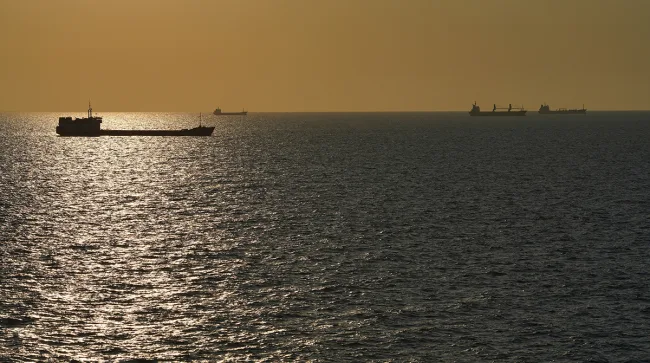
Iran exported at least 57 million barrels of crude oil—roughly 2.2 million barrels per day—during a temporary easing of U.S. naval blockades on Iranian shipping through the Strait of Hormuz. The gap between blockades allowed Tehran to ramp up exports to levels unseen in recent years, providing a significant supply boost that helped stabilize global oil prices. According to Bloomberg News, the renewed restrictions, reinstated on July 13, 2026, include a demand for a 20% transit reimbursement on all cargo moving through the strait, a move that could disrupt future flows and tighten Iran’s oil market influence.
The U.S. blockade, named “THE IRANIAN BLOCKADE” by the administration, specifically targets Iranian vessels or their customers, while permitting unrestricted passage for other nations. The policy shift comes less than a month after a temporary deal between Washington and Tehran eased sanctions and lifted restrictions, allowing Iran to resume exports. During this window, Iran leveraged its Gulf of Oman port facilities—including previously blockaded carriers—to push oil to global markets, though exact volumes remain uncertain due to Iran’s history of concealing cargo movements.
The additional Iranian supply contributed to a cooling of oil prices in the weeks following the interim agreement. Brent crude futures, the international benchmark, stood at $79.67 per barrel on July 13, up 4.7% but still below peaks seen during earlier tensions. The reinstatement of the blockade risks tightening supply again, potentially driving prices higher and limiting Iran’s economic leverage. Analysts warn that the 20% reimbursement requirement could further complicate transit logistics, adding costs that may deter some buyers.
📱 Follow our Telegram channel for daily updates
Source: Transport Topics — Michelin & Tires (EN) (ttnews.com)