🔔 Read us on Telegram — don’t miss the latest automotive news → t.me/motorhub_en
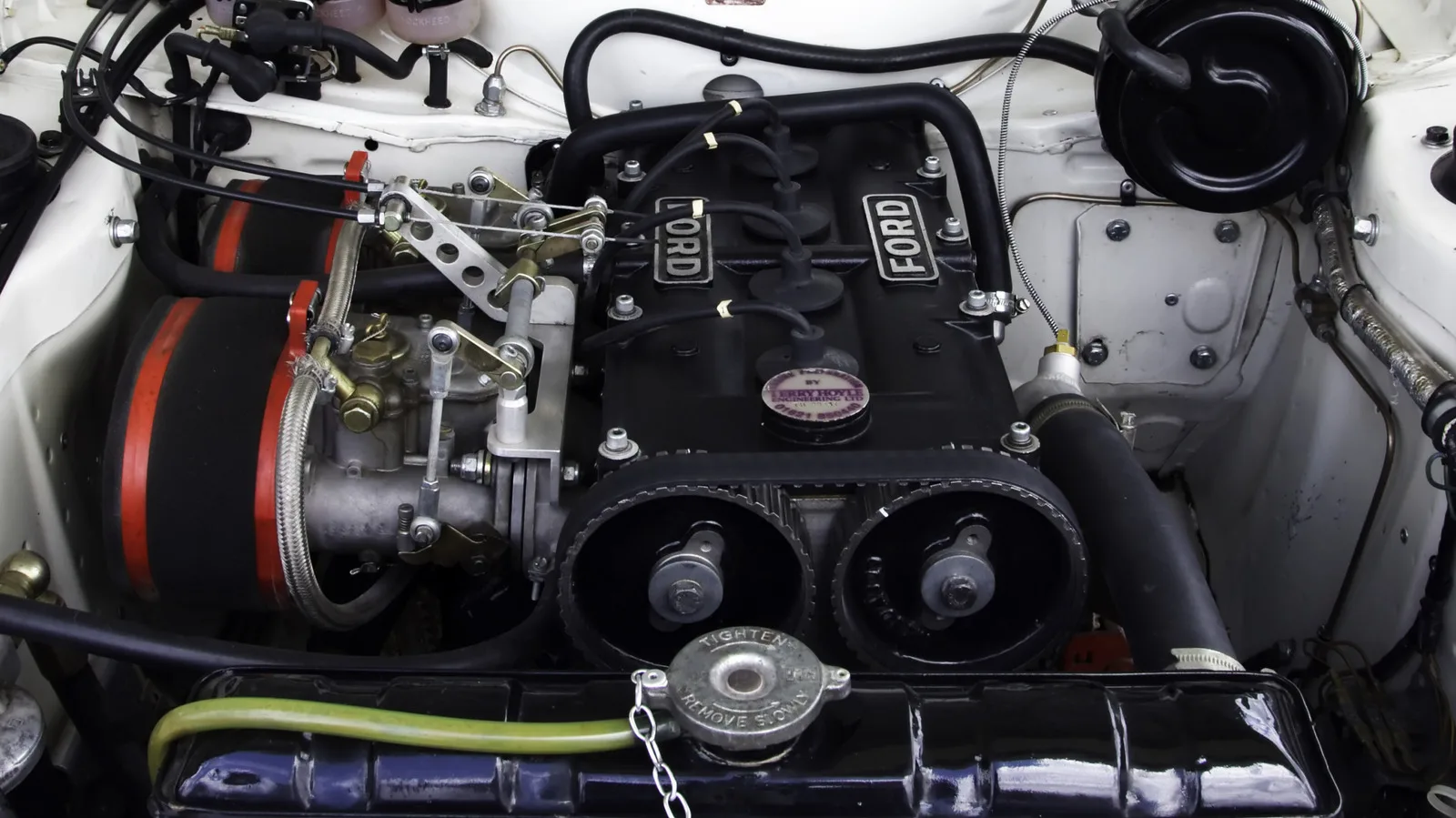
In 1969, Cosworth, a British engineering firm, developed the BDA engine, a naturally aspirated motor that would set the standard for performance in the next two decades. The BDA was based on the Ford Kent block and featured a cylinder head derived from the FVA and DFV designs, with a toothed belt driving the camshafts.
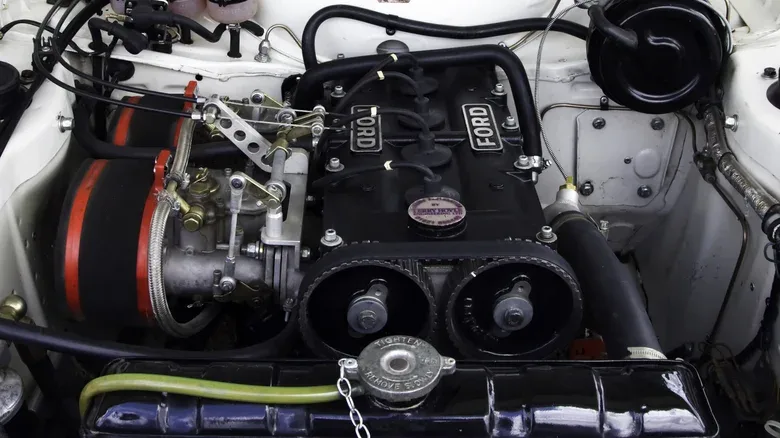
The engine’s name, BDA, came from its most innovative feature – Belt Drive, Type A. The real performance gain, however, came from the cylinder head geometry, which featured a pent-roof combustion chamber with a centrally located spark plug.
This design allowed for a faster and more complete ignition of the fuel charge. The original 1969 BDA displaced 1,601cc and produced around 120 horsepower, but subsequent variants, such as the BDB, BDC, BDE, and BDG, would see increased displacement and power output, with the BDG producing 280 horsepower at 9,250 rpm.
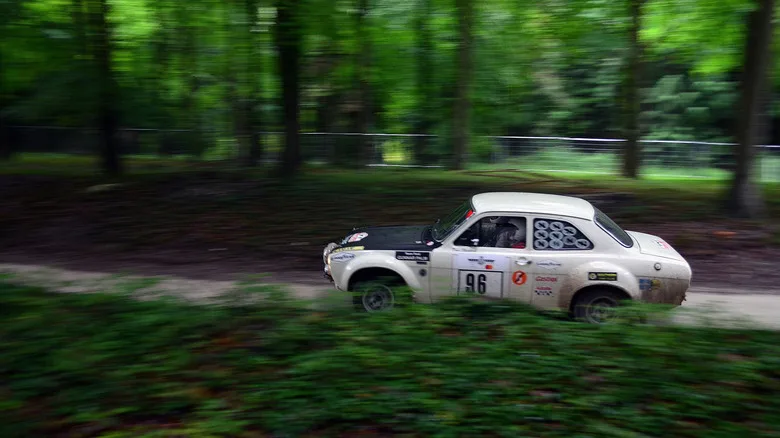
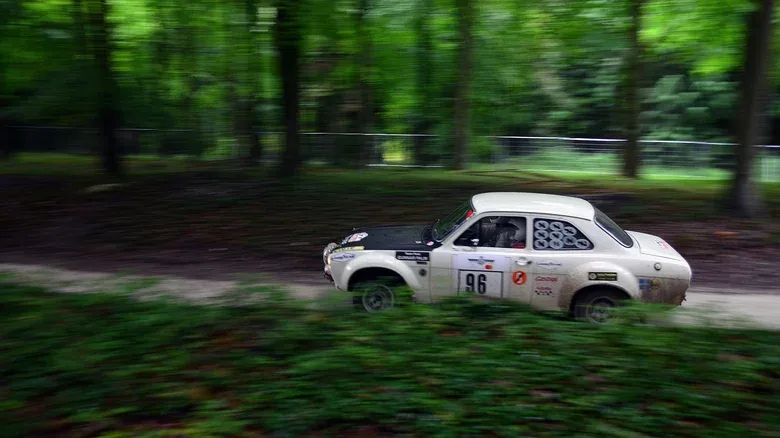
The BD-series engines would go on to power a range of vehicles, including Formula 2 cars, Le Mans-class Chevron sports prototypes, and rally cars, with the BD-powered Ford Escort 1600 winning the company’s first world championship in 1973. The BDA’s legacy can still be seen today, with Cosworth continuing to innovate and push the boundaries of engine performance.
📱 Follow our Telegram channel for daily updates
Source: Jalopnik (Auto Culture & Tuning) (jalopnik.com)