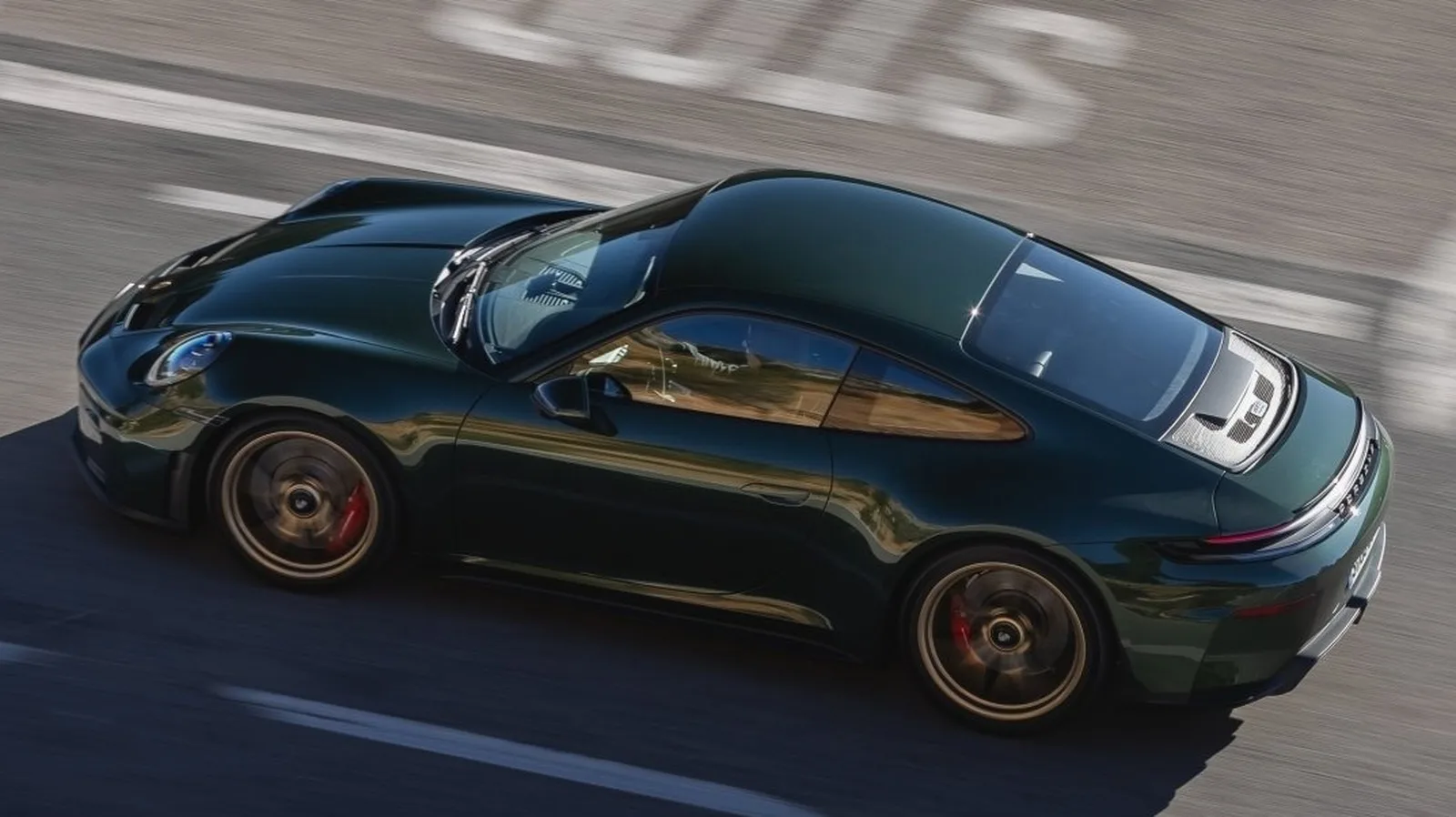
🔔 Read us on Telegram — don’t miss the latest automotive news → t.me/motorhub_en
Porsche’s 911 GT3 has long stood as the brand’s most iconic street-focused track weapon, spanning four generations over 25 years. Positioned between the street-biased GTS and the full-blooded GT3 RS, the GT3 splits the difference: a car equally at home on a racetrack and a Sunday drive. The 991-generation GT3 leaned heavily into lap-time performance when it debuted in 2013, and for a time, it was only offered with Porsche’s PDK dual-clutch automatic—much to the dismay of three-pedal enthusiasts.
The GT3 Touring arrived in 2017 as a manual-only, driver-focused variant that picked up where the limited-run 911R left off. The 911R, introduced in 2016, was essentially a naturally aspirated GT3 with a manual transmission, a short-throw six-speed, and a clean roofline devoid of a massive rear wing. Limited to just 991 units and packing 500 HP, the 911R quickly became a million-dollar collector’s item, trading hands within months at prices well above its $185,950 sticker.
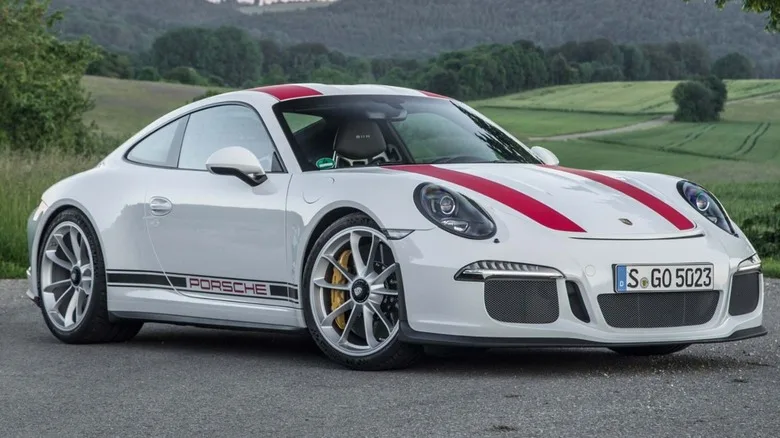
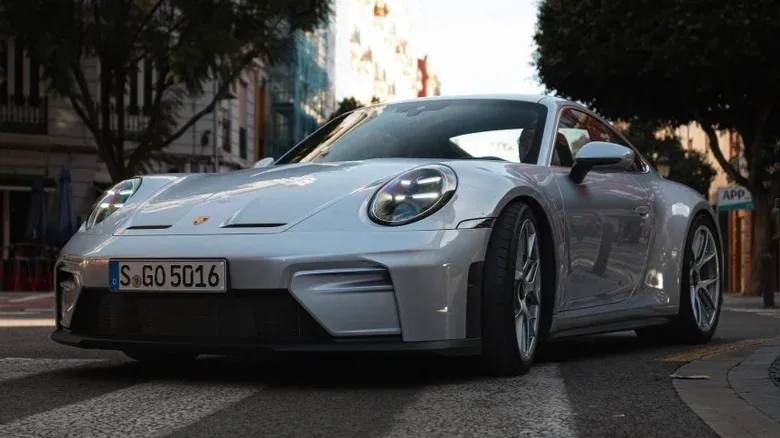
With the 992-generation 911, Porsche made the GT3 Touring a permanent fixture, offering both the Touring and standard GT3 with manual or PDK transmissions. The Touring trades Alcantara-heavy GT3 interiors for leather trim and strips away the GT3’s signature rear wing, though it retains the same high-strung 9,000-rpm flat-6 engine, wide tires, and aggressive suspension. Despite the lack of a wing, the Touring isn’t a softened version of the GT3—it’s more like Superman in a Clark Kent disguise.
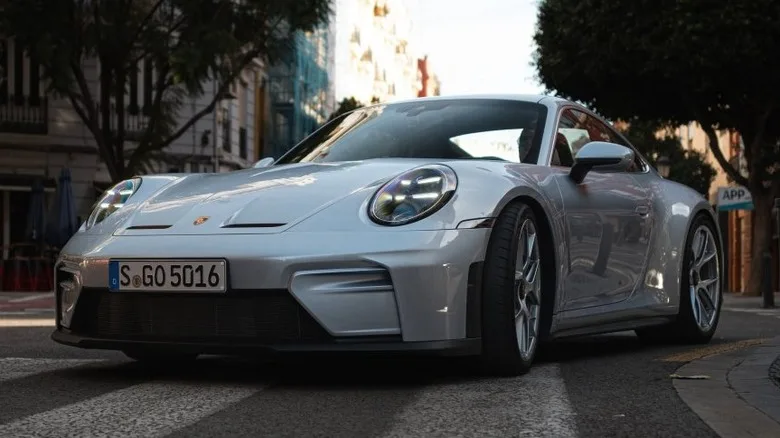
The GT3 and GT3 Touring deliver nearly identical driving experiences, with the Touring’s electric-deployable rear spoiler providing slightly less downforce. Both are far more street-friendly than the outright extreme GT3 RS, which has evolved into a technically street-legal GT3 Cup car but is philosophically unsuited for daily use. The current GT3 is already faster on most tracks than the 991-generation GT3 RS was, pushing the limits of what non-professional drivers can handle.
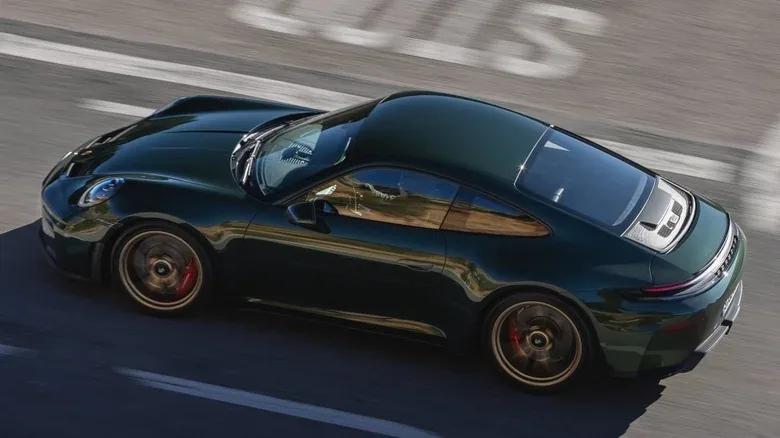
Successive generations have grown larger, faster, and more tech-laden to keep pace. The GT3 Touring isn’t a relaxed commuter—it’s a manic monster that rewards engagement and involvement, especially with a manual transmission. If you crave a cozy daily driver, this isn’t it.
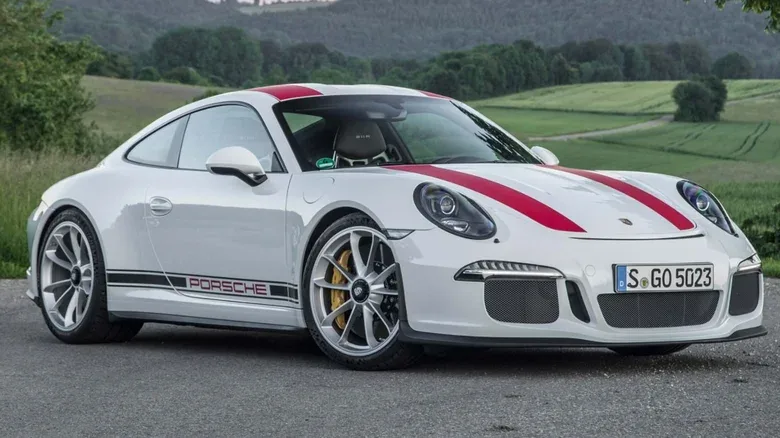
But if you want to wring the neck of a high-strung sports car on back roads or a racetrack while looking good doing it, the GT3 Touring delivers. Prefer a bit more downforce and lightweight add-ons? The standard GT3 or the ultra-expensive Weissach package is the way to go.
📱 Follow our Telegram channel for daily updates
Source: Jalopnik (Auto Culture & Tuning) (jalopnik.com)