🔔 Read us on Telegram — don’t miss the latest automotive news → t.me/motorhub_en
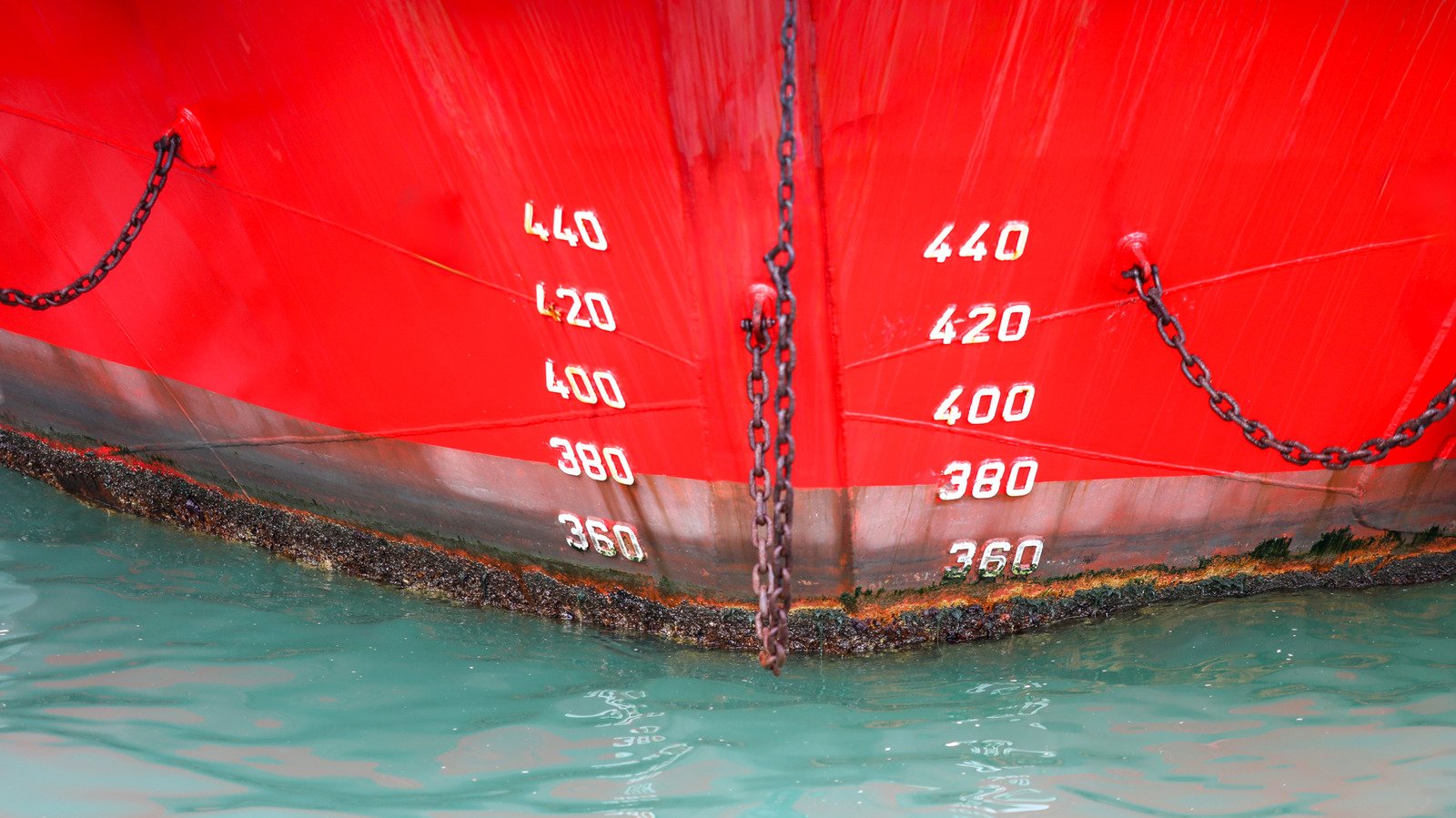
The ongoing conflict between the United States and Israel against Iran has choked global oil supplies, as crude tankers remain stranded in the blockaded Strait of Hormuz. While the eventual reopening of the strait is expected to ease some pressure, a new report from maritime trade publication The DeepDraft reveals that the crisis may linger due to an unlikely culprit: barnacles. The biological buildup known as biofouling—caused by marine organisms like barnacles clinging to ship hulls—poses serious operational and logistical challenges for oil tankers attempting to resume normal operations.
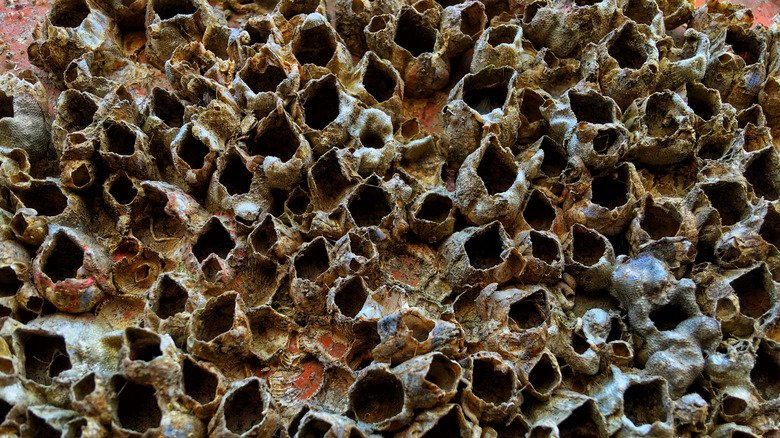
Ships delayed in the strait will likely struggle to reach their destinations at full speed, consuming excessive fuel in the process. More critically, biofouling can restrict seawater intake passages used to cool engines, risking overheating and mechanical failure. The biggest hurdle, however, may be port restrictions.
Many ports worldwide have tightened regulations on vessels carrying invasive species, and biofouling provides an ideal pathway for marine hitchhikers to travel from one ecosystem to another. Tankers encrusted with barnacles could be denied entry at their intended destinations, forcing them to divert to remote facilities for inspection and cleaning before being cleared to dock. While these ships won’t be rendered inoperable, their delayed and disrupted voyages mean the return to normal oil flows—and stable fuel prices—could take far longer than the reopening of the strait itself.
Even if the blockade were lifted immediately, the ripple effects of biofouling could keep oil markets tight and prices elevated well into the future.
📱 Follow our Telegram channel for daily updates
Source: Jalopnik (Auto Culture & Tuning)
Source: Jalopnik (Auto Culture & Tuning) (jalopnik.com)