🔔 Read us on Telegram — don’t miss the latest automotive news → t.me/motorhub_en
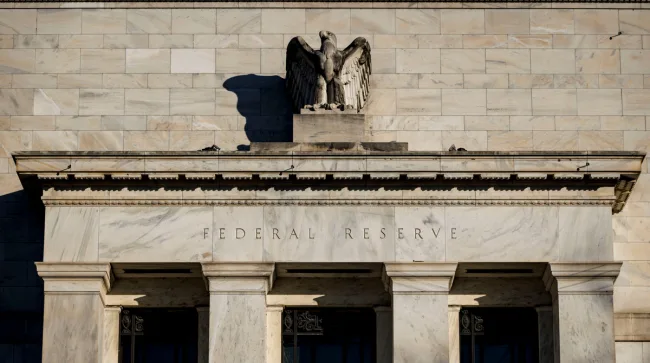
Federal Reserve officials indicated growing support for higher interest rates during their July 28-29 policy meeting, with minutes released on August 19 revealing that several policymakers favored a quarter-point increase. The Federal Open Market Committee (FOMC) ultimately voted 9-3 to maintain the benchmark federal funds rate at 3.5% to 3.75%, but dissenters included Dallas Fed President Lorie Logan, Cleveland Fed President Beth Hammack, and Minneapolis Fed President Neel Kashkari. Two non-voting regional presidents, Kansas City Fed President Jeff Schmid and St. Louis Fed President Alberto Musalem, later signaled they would have supported a hike.
The debate centered on inflation, with many officials warning that further tightening might be necessary if price pressures fail to ease. While most participants expected inflation to decline later in the year as the effects of tariffs and past energy price spikes fade, uncertainty remained high due to geopolitical risks, including the re-escalation of the Iran war. The labor market was described as stable, with demand and supply in balance, and officials reiterated their commitment to achieving price stability.
Criticism mounted over Fed Chairman Kevin Warsh’s post-meeting press conference, where he struggled to justify the decision to hold rates steady and hinted at a possible adjustment to the Fed’s 2% inflation target in January. Investor confidence wavered, with long-term bond yields surging to near two-decade highs—a sign of skepticism toward the Fed’s inflation commitment. However, not all inflation indicators moved significantly; the five-year inflation breakeven rate rose only modestly.
Since the July meeting, economic data has pointed to a slowdown in activity. Retail sales dropped sharply in July, led by declines in online and auto dealer purchases, while core inflation cooled. Job growth unexpectedly stalled in July, and hiring figures for prior months were revised downward, suggesting a weaker labor market than previously believed. As a result, investors have dialed back expectations for a September rate hike, with federal funds futures pricing in just a 36% chance of an increase, down from over 70% at the end of July.
Warsh also floated a controversial proposal to reduce the FOMC’s annual policy meetings from eight to six, arguing that fewer gatherings would allow more time for analysis between sessions. The committee did not act on the idea but will consider it further. The minutes precede the Fed’s annual Jackson Hole symposium, where Warsh is expected to address the central bank’s policy direction.
📱 Follow our Telegram channel for daily updates
Source: Transport Topics — Michelin & Tires (EN) (ttnews.com)