🔔 Read us on Telegram — don’t miss the latest automotive news → t.me/motorhub_en
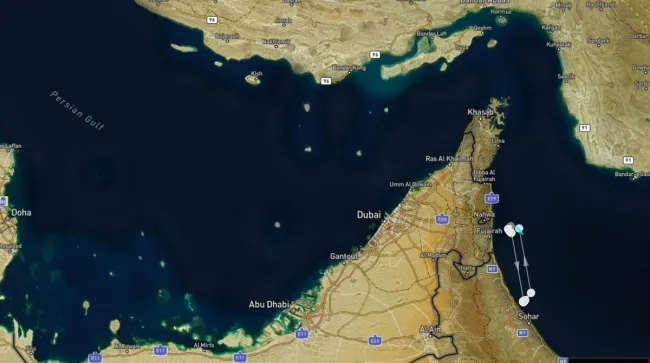
Supertankers are increasingly switching off their transponders for days or weeks while crossing the Strait of Hormuz and Bab el-Mandeb, making cargo movements difficult to track. This practice has expanded as Iran-related security risks persist and Houthi threats grow. According to Signal Ocean, 62% of tankers crossed Hormuz with their transponders turned off between July 14 and early August. The tactic of going dark has been used by tanker owners to avoid detection and conceal their cargo movements, as freight rates remain highly profitable despite the security risks. Some clandestine journeys can last a week or more, with tankers sometimes reappearing thousands of kilometers away. The popularity of the so-called shuttle trade, where oil is transferred onto other vessels just outside Hormuz, has also made it tough for ship trackers to figure out what happened during the time a tanker’s transponder was turned off. Recent examples of this trend include the supertanker Romania Prosperity, which vanished in waters off Fujairah in late July and reappeared nearby 10 days later, and the Alexandros, which disappeared while empty in the northern Red Sea in the middle of last month before emerging partially laden near India last week. Vessels turn off their transponders primarily to mask their locations and avoid attacks by Iran, with shipowners ready to run the risk of taking cargoes through dangerous chokepoints due to the high profitability of the freight market. The United Arab Emirates state oil company has even started to move Iraqi oil through Hormuz in recent weeks. The dark passages, alongside other upheavals in the freight market, suggest that the VLCC market has adapted to a different operating environment, with confirmed tanker transits shifting toward concealment.
📱 Follow our Telegram channel for daily updates
Source: Transport Topics — Michelin & Tires (EN) (ttnews.com)