🔔 Read us on Telegram — don’t miss the latest automotive news → t.me/motorhub_en
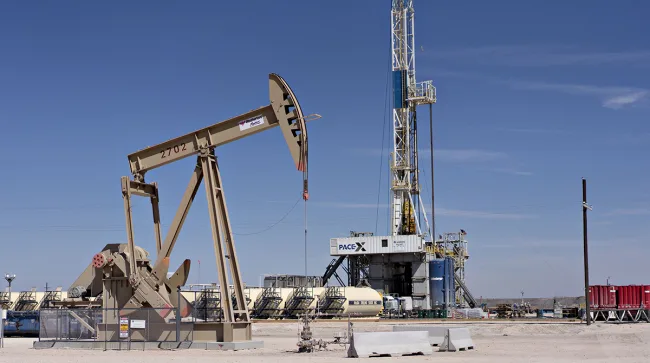
Major U.S. oil producers are slashing capital spending in shale basins despite high crude prices, redirecting cash flows toward shareholder returns and debt reduction instead of accelerating production growth. Chevron, ConocoPhillips, and Occidental Petroleum reduced drilling and fracking expenditures by 10% and 20% respectively in the first half of 2026, according to earnings reports. Efficiency gains in drilling techniques allow operators to maintain or modestly increase output without proportional spending hikes, contributing to slower U.S. crude production growth compared to post-2022 levels. The U.S. Energy Information Administration forecasts domestic production will rise by only 200,000 barrels per day this year to 13.8 million barrels per day, a fraction of the 1.1 million barrels per day surge seen in 2023 after Russia’s invasion of Ukraine. While some companies like Diamondback Energy and ExxonMobil are increasing investment to expand output—ExxonMobil plans a 40% production increase by 2030—others are adopting a “plateau” strategy to stabilize output. Chevron, the largest U.S. oil major, has held Permian Basin production steady at around 1 million barrels of oil equivalent per day for five consecutive quarters and 400,000 barrels in Colorado’s DJ Basin for ten quarters. The company’s new Windom Central Facility in Colorado exemplifies this shift: an unmanned, remotely monitored processing hub designed for continuous flow, reducing costs by 20% and emissions compared to traditional multi-site operations. Chevron expects Permian spending to be 30% lower than two years ago, aligning with its broader focus on free cash flow over production growth. The strategy reflects a fundamental shift from pre-COVID shale practices, when the industry burned $350 billion chasing volume over profitability. Analysts note the new model prioritizes “sweating the assets” to maximize returns, with Permian, DJ, and Bakken basins projected to generate $7 billion annually in free cash flow through 2030—sufficient to cover half of Chevron’s current S&P 500-topping dividend. The trend underscores a broader industry pivot toward capital discipline amid political pressure to stabilize gasoline prices, even as some operators continue to expand production in response to geopolitical supply risks.
📱 Follow our Telegram channel for daily updates
Source: Transport Topics — Michelin & Tires (EN) (ttnews.com)