🔔 Read us on Telegram — don’t miss the latest automotive news → t.me/motorhub_en
Lotus has scrapped its plan to go all-electric, confirming that future models will feature brand-new V6 and V8 engines developed by Horse, a 50:50 joint venture between Geely and Renault. The new powertrains will debut in hybrid versions of the Emira and an upcoming supercar. The shift marks a stark reversal from Lotus’s 2022 stance, when the Emira was introduced as the brand’s final combustion-engined production car. At the time, Lotus committed to an electric-only future, launching the Evija, Eletre, and Emeya as EVs. However, the Eletre SUV later received a four-cylinder gasoline engine for the Chinese market under the ‘For Me’ label, signaling the first crack in that strategy. Now, the Emira will swap its current AMG- and Toyota-sourced engines for an electrified Geely-based V6 hybrid, while the flagship supercar—internally dubbed ‘Type 135’—will get a V8 hybrid.
Lotus CEO Feng Qingfeng admitted the company had overestimated the speed of EV adoption in the performance segment. ‘The luxury auto segment has gone through tremendous changes. We thought EVs could be the future. That is why we acted fast and aggressively. But the EV penetration rate was not as good as we expected, and we could see customers still like ICE vehicles,’ he told Automotive News Europe. The CEO highlighted that performance car buyers prioritize driving thrills over practicality, with many unwilling to give up the visceral experience of a high-revving combustion engine. ‘Certain customers simply enjoy the thrill of driving a car with a powerful engine, even with some lag in the power delivery. A smooth powertrain is good for daily commuting, but those who buy performance cars do so for entertainment.
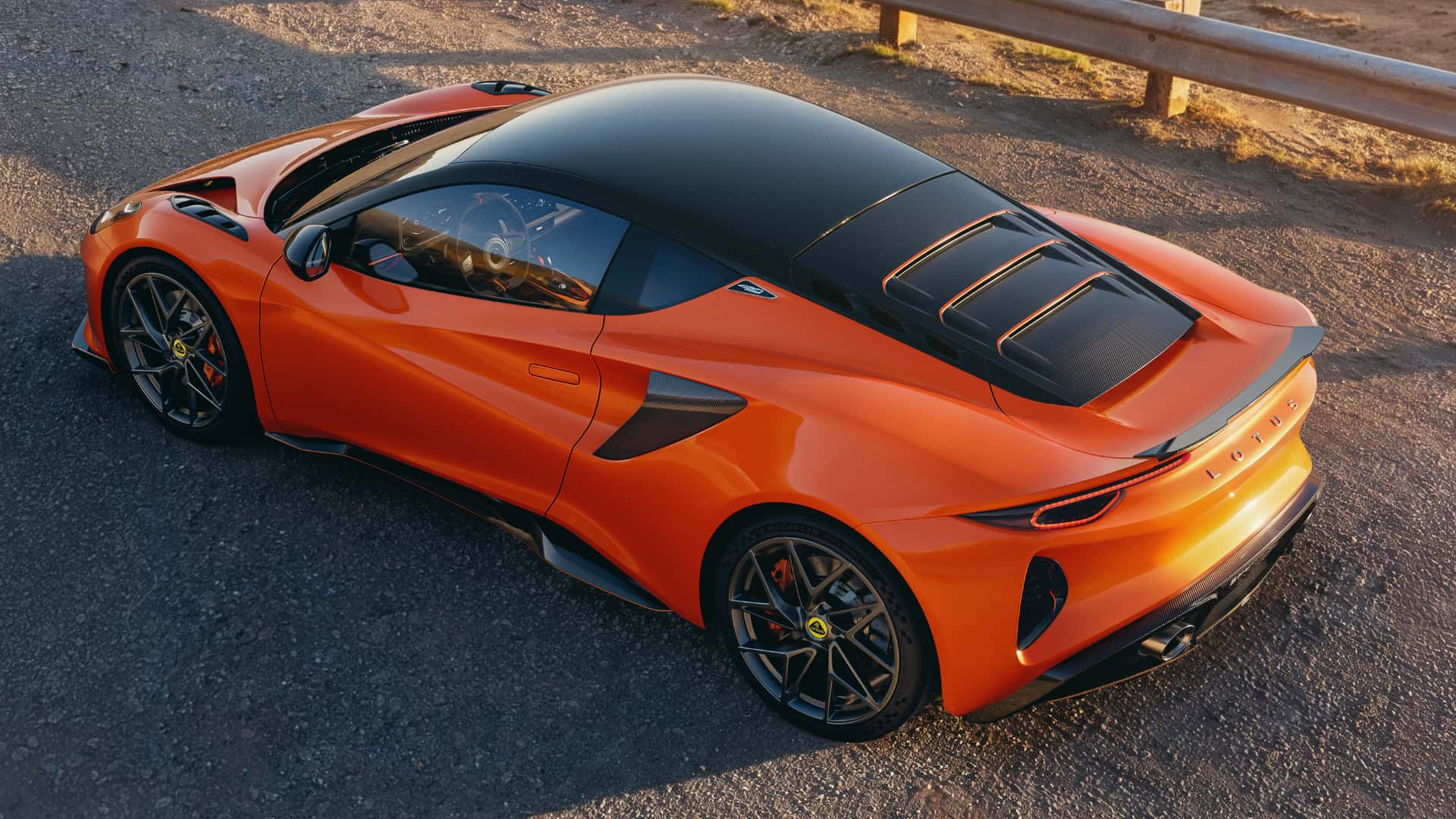
They just want to have fun.’ The new V6 for the Emira will replace its current engines, though Lotus hasn’t specified a timeline for the switch. The 420 Sport flagship version of the Emira, recently updated, suggests the transition won’t happen immediately. Meanwhile, the ‘Type 135’ supercar could revive the iconic Esprit name and may feature a central driver’s seat, similar to the 2024 Theory 1 concept. Lotus positions the model as a rival to the Ferrari 849 Testarossa, targeting a price point above $500,000 while aiming to undercut Ferrari’s plug-in hybrid V8 supercar. ‘We want to make sure that more people will have access to a performance car that is even better than a Ferrari with a lower price,’ Feng explained. While Lotus’s move aligns with rivals like Mercedes-AMG, which has recommitted to six- and eight-cylinder engines, it contradicts Colin Chapman’s ‘simplify, then add lightness’ philosophy. Hybridization is now necessary to meet tightening emissions rules, adding complexity to powertrains that once prided themselves on mechanical purity.
The revival of large-displacement engines in hybrids reflects a broader industry trend, where performance and compliance clash with the brand’s heritage of lightweight, driver-focused engineering.
📱 Follow our Telegram channel for daily updates
Source: Brabus & Premium Tuning — Motor1 (EN)
Source: Brabus & Premium Tuning — Motor1 (EN) (motor1.com)