🔔 Read us on Telegram — don’t miss the latest automotive news → t.me/motorhub_en
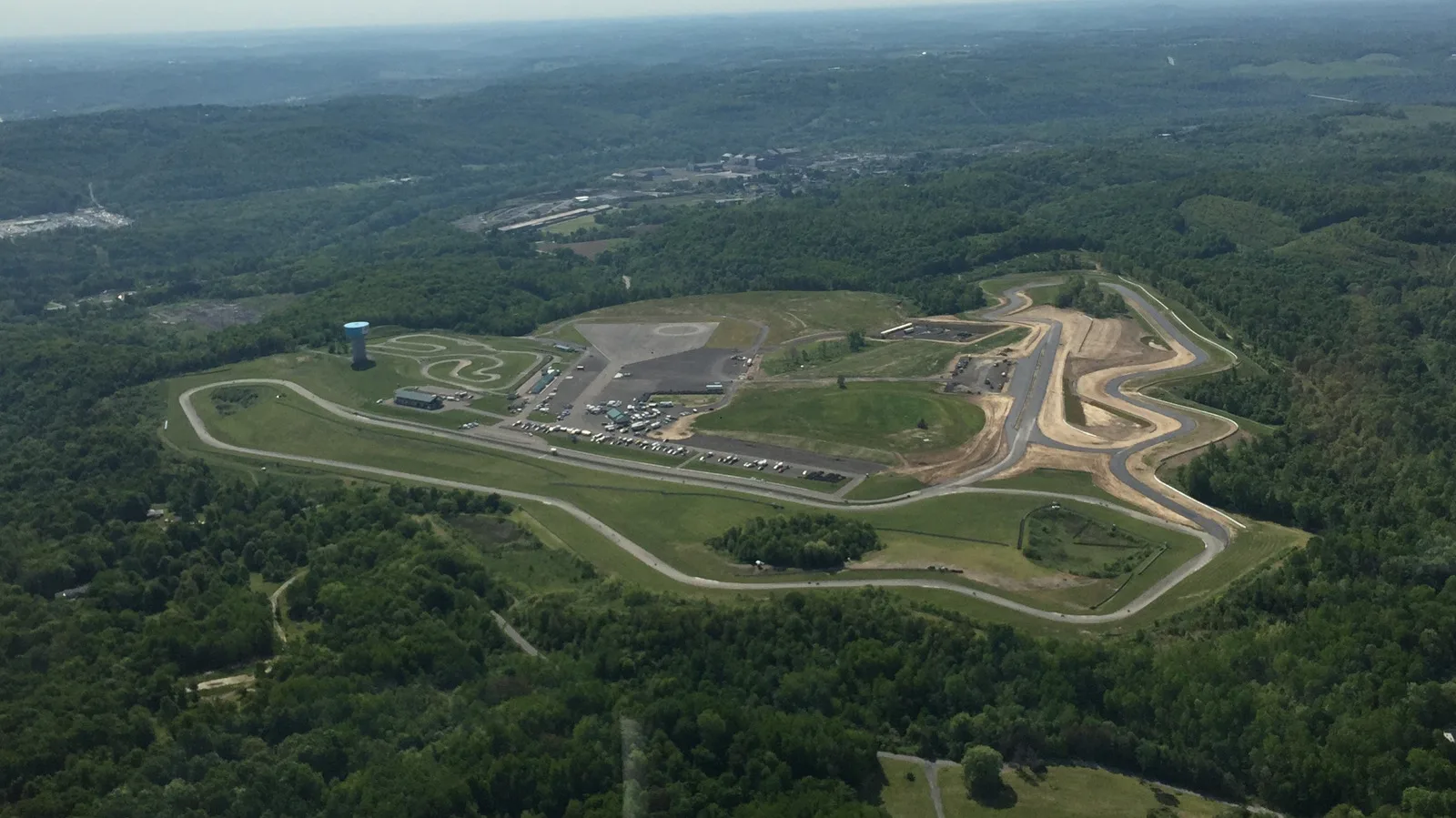
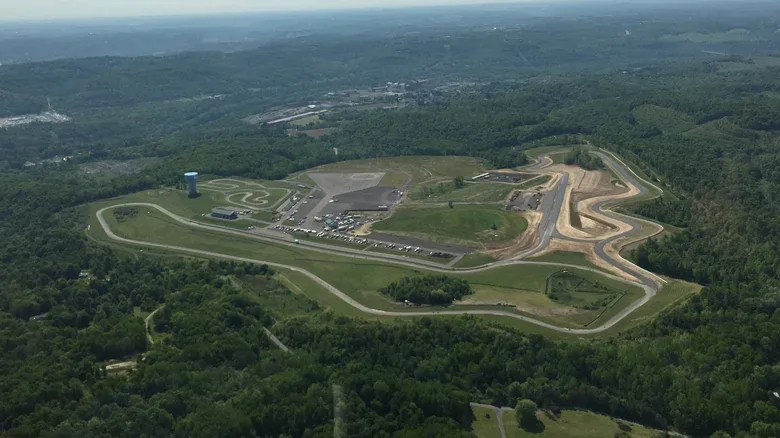
America’s motorsport heartland is hemorrhaging race tracks. Western Pennsylvania’s Pitt Race—formerly BeaveRun—shut its gates last October after 24 years as a hub for pro and amateur racing.
Now, a $50 million deal by Wampum I, LLC will turn the circuit into a data center, erasing another temple of speed where real-world innovation and human camaraderie once thrived. This isn’t an isolated tragedy.
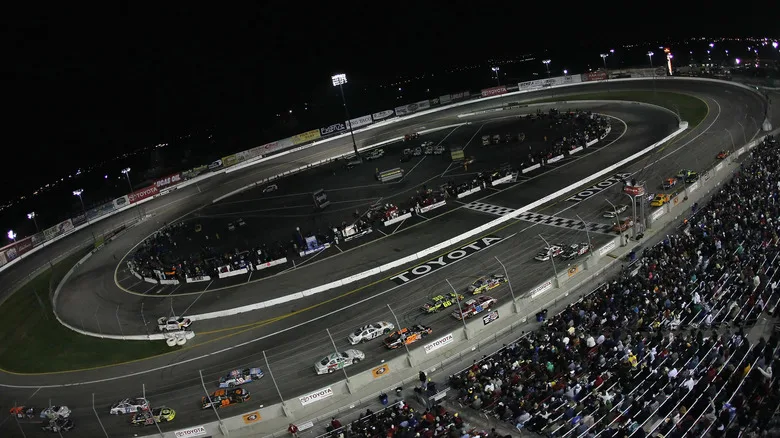
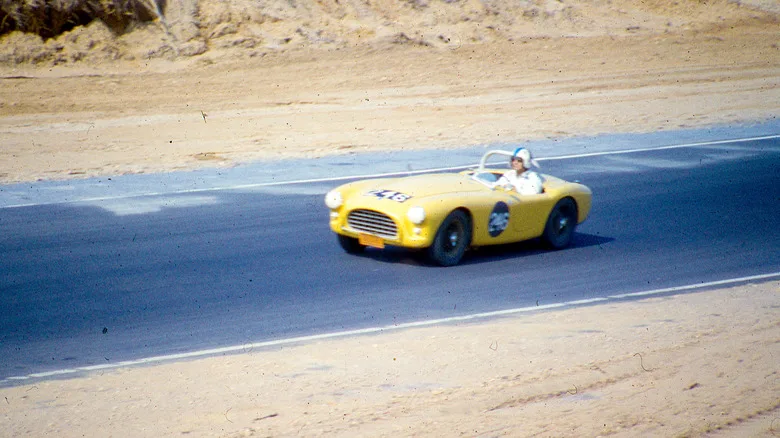
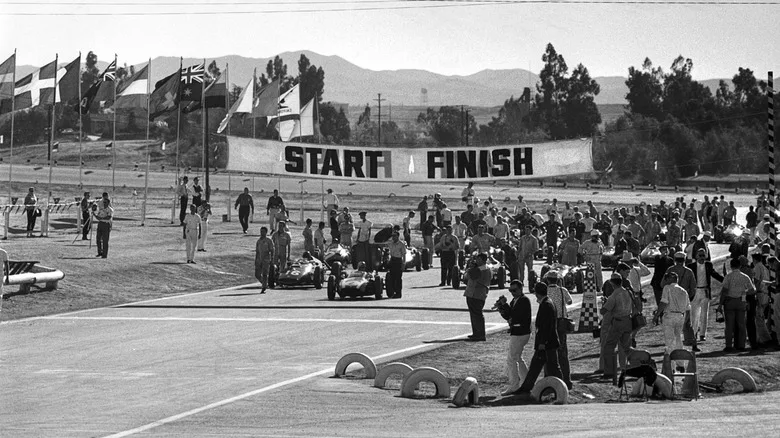
Tracks like Continental Divide Raceways, Ontario Motor Speedway, Riverside International, and Bridgehampton Race Circuit have already fallen to suburban sprawl, zoning loopholes, and the relentless march of commercial real estate. The pattern is clear: developers chase land value, municipalities bend zoning to favor profit over passion, and a car-dependent culture that once celebrated open-wheel dreams and quarter-mile wars now prioritizes ones and zeroes over rubber and asphalt.
Motorsport isn’t just about lap times or trophies—it’s about the shared thrill of pushing limits in a controlled environment, the mentorship between grease-stained veterans and wide-eyed rookies, and the unfiltered joy of hearing a naturally aspirated V8 scream through a esses section. When tracks vanish, so does that tangible connection to the raw, visceral soul of driving.
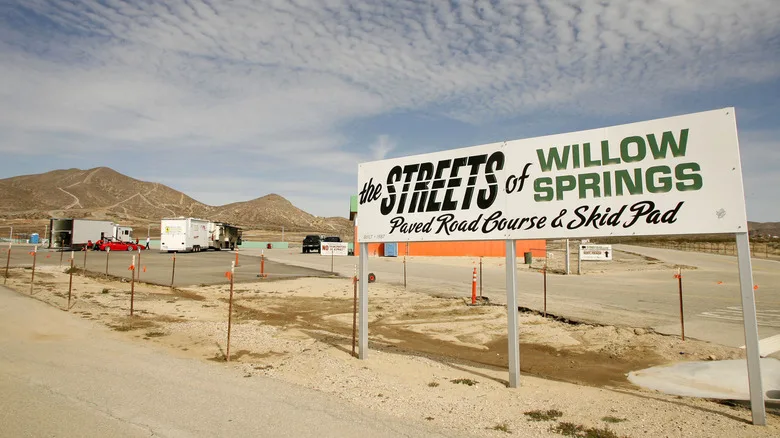
The crisis isn’t limited to road courses. Drag strips across the country are disappearing as rising costs, shrinking crowds, and municipal pressure strangle grassroots racing.

Small tracks can’t survive on nostalgia alone; they need bodies in the grandstands, engines in the paddock, and dollars in the till. The solution starts with action. Buy a track day ticket. Enter a local race. Wear the merch. Pressure oil brands, tire shops, and parts suppliers to sponsor events.
Vote for down-ballot candidates who oppose data-center sprawl and push for dense, transit-friendly housing instead of cul-de-sac subdivisions. When a track is threatened, organize—mobilize—fight.
Crowdfund a buyout if the owners are willing. Convince a local hypercar owner that his playground is at risk.
And if all else fails, make noise loud enough that the next billionaire data-center developer thinks twice before bulldozing another piece of motorsport history. The tracks aren’t just real estate.
They’re the last bastions of a culture that refuses to let driving become a solitary, screen-bound experience. The question isn’t whether America can afford to lose these places—it’s whether we still care enough to save them.

📱 Follow our Telegram channel for daily updates
Source: Jalopnik (Auto Culture & Tuning) (jalopnik.com)