🔔 Read us on Telegram — don’t miss the latest automotive news → t.me/motorhub_en
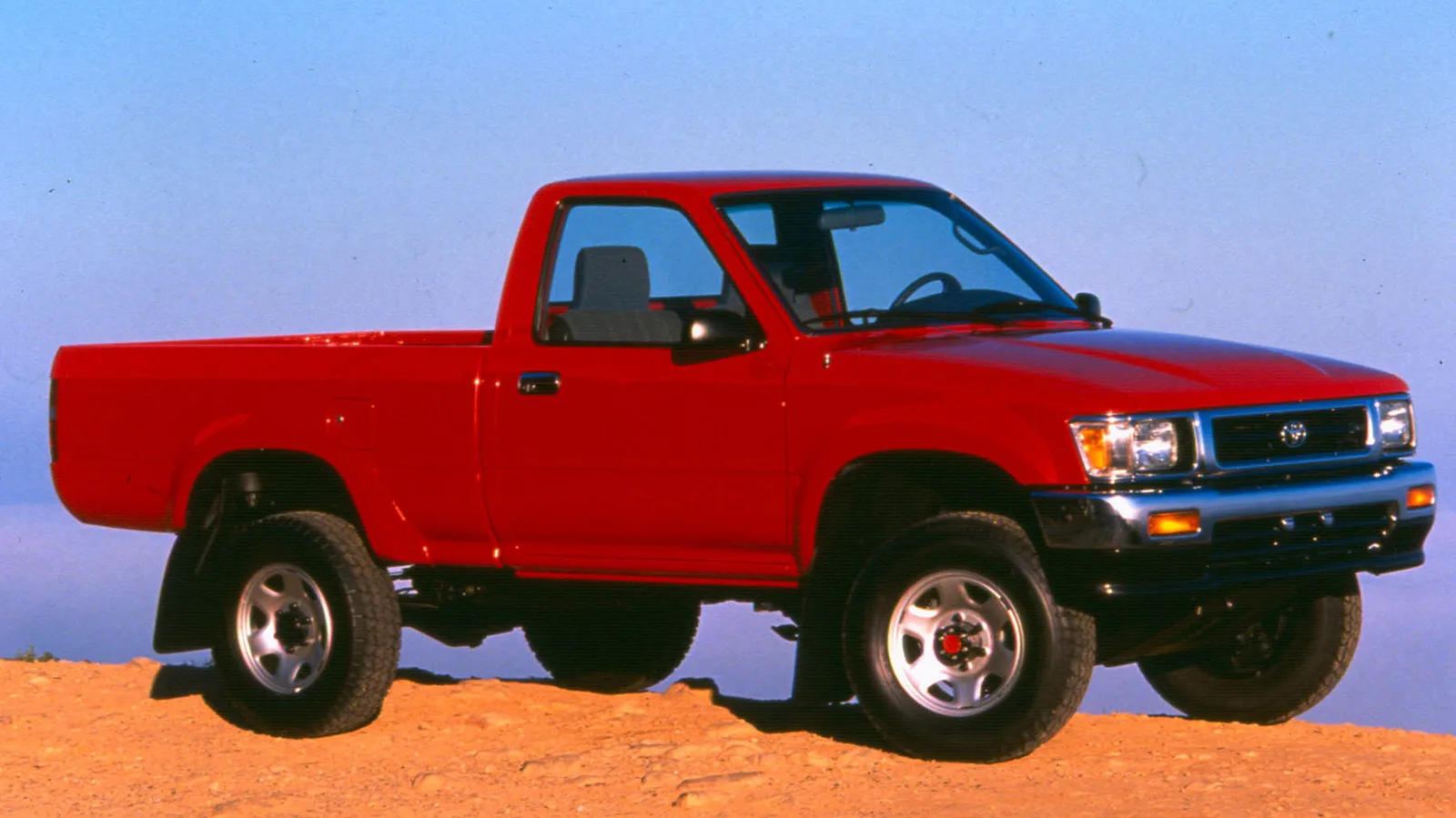
The Toyota Hilux, introduced in 1968, earned its reputation through simple engineering, conservative power output, and overbuilt drivetrains. By the 1990s, Toyota’s reputation for building indestructible trucks had been cemented and extended to its 4Runner. The cast-iron 22R-E engine, a fuel-injected evolution of Toyota’s 2.4-liter 22R four-cylinder family, played a significant role in this reputation.
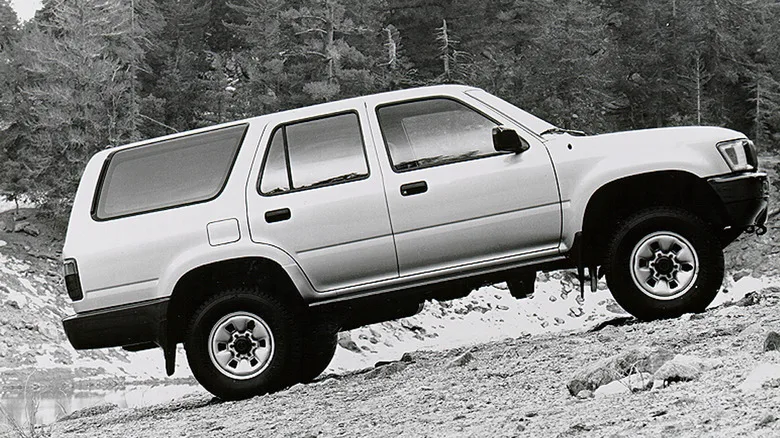
Producing roughly 105 to 116 horsepower, the 22R-E was not glamorous or powerful, but it was designed to be a reliable workhorse. The cast-iron block brought weight and tolerance for abuse, making it ideal for a truck engine. The 22R-E’s iron block, paired with a forged-steel crankshaft, single-cam aluminum head, and timing chain, provided a sturdy foundation that could handle repeated stress.
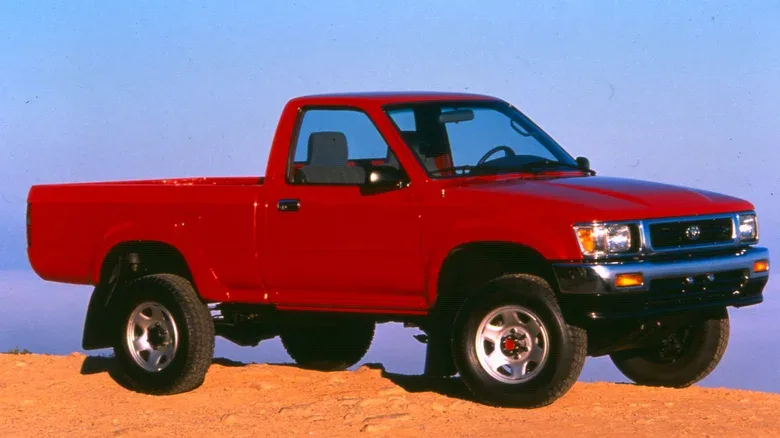
This engine was tasked with being a tool, rather than a collectible, and its durability options made it easier to manage and diagnose. The 22R-E powered Toyota Pickups and 4Runners during an era when these vehicles were becoming famous for doing hard work with minimal drama. A reliable four-cylinder engine was essential in defining the entire vehicle, and the 22R-E fit this character perfectly.
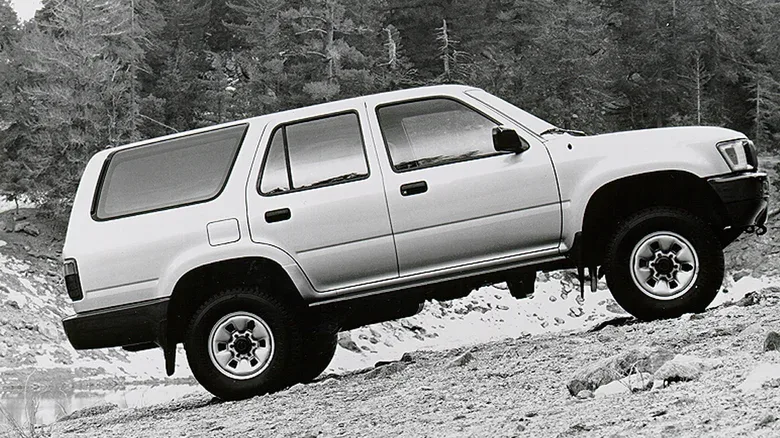
Well-maintained examples have been known to rack up hundreds of thousands of miles, with one reported case of a Hilux passing one million miles. The 22R-E’s cast-iron block did not make the Toyota Pickup and 4Runner unkillable by itself, but it provided a durable platform that made everything else possible. It was heavy, simple, and overbuilt, exactly what an all-time truck needed to be great.
📱 Follow our Telegram channel for daily updates
Source: Jalopnik (Auto Culture & Tuning) (jalopnik.com)