🔔 Read us on Telegram — don’t miss the latest automotive news → t.me/motorhub_en
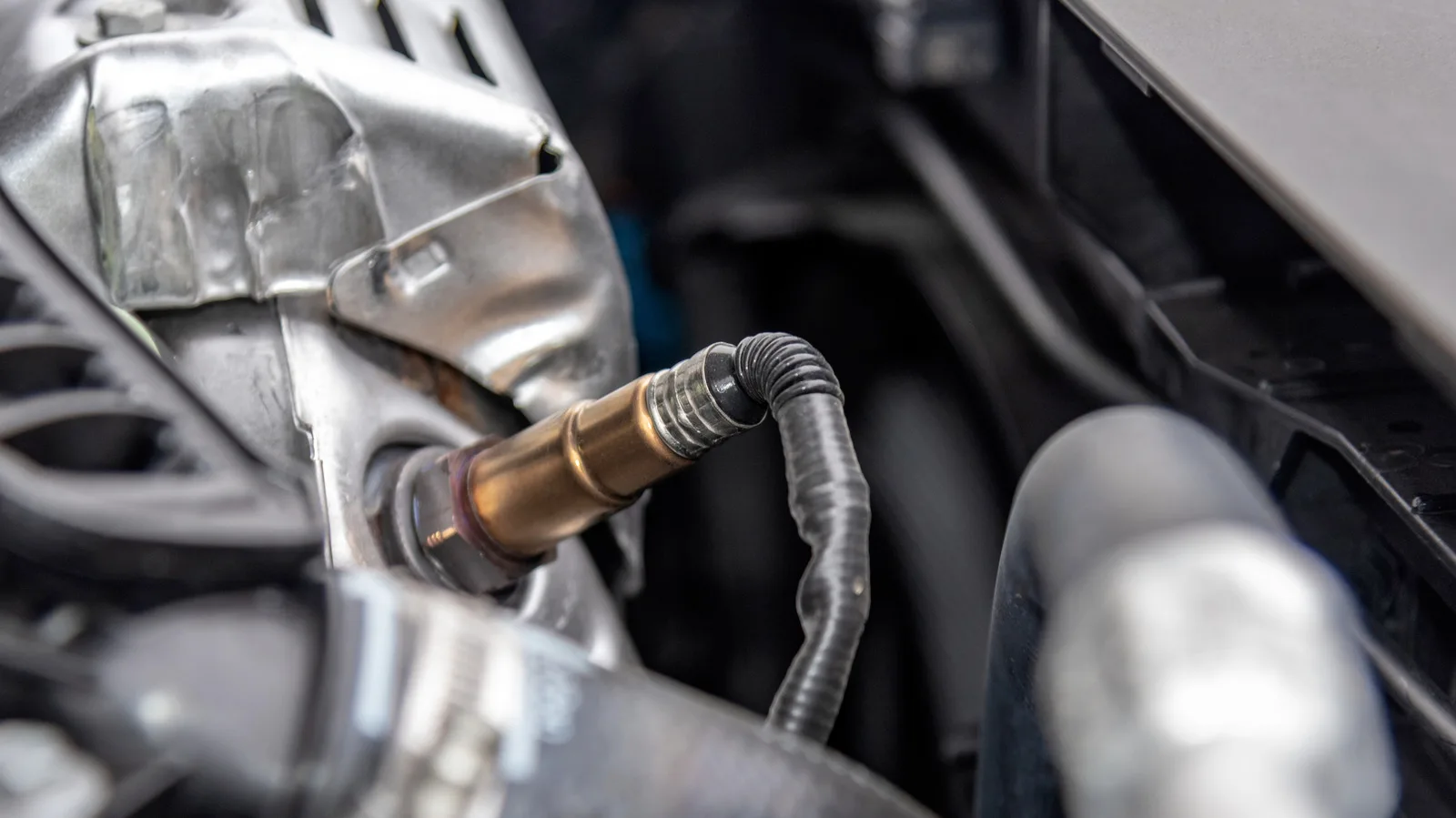
Oxygen sensors (O2 sensors) are critical to your engine’s performance, but unlike oil filters or spark plugs, they don’t come with a strict replacement schedule from automakers. Instead, their lifespan depends entirely on usage, maintenance, and operating conditions. While some sources suggest O2 sensors can last between 30,000 and 50,000 miles in a well-maintained engine, many experts argue they can endure up to 100,000 miles—or even the entire life of the vehicle. The reality is that replacement intervals vary widely, making it essential to monitor symptoms rather than rely on mileage alone.
O2 sensors monitor the air-fuel ratio in real time. The primary sensor, located before the catalytic converter, ensures the engine runs on the correct mixture. If the ratio is too lean (not enough fuel) or too rich (too much fuel), the sensor signals the engine control unit (ECU) to adjust accordingly. Additional sensors downstream of the catalytic converter check its efficiency by analyzing exhaust gases after treatment. When an O2 sensor fails, the consequences can be severe: reduced fuel economy, rough idling, engine misfires, and even damage to the catalytic converter.
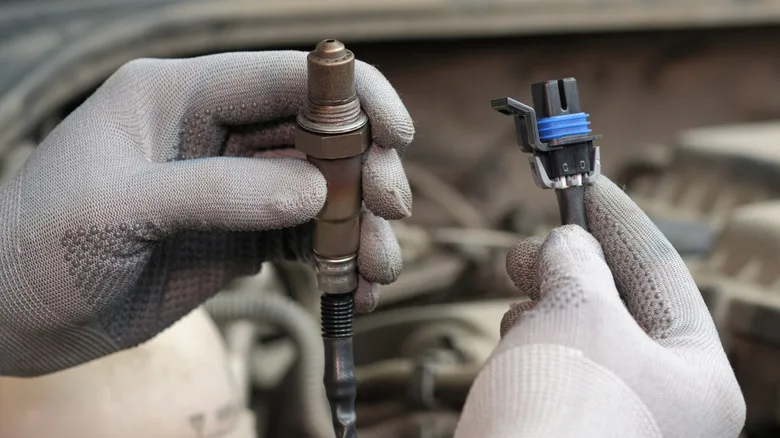
Several factors can shorten an O2 sensor’s life. Fuel contamination—especially from unburned fuel in a rich mixture—can foul the sensor, rendering it ineffective. Leaks from the cooling system or engine oil introduce additives that corrode the sensor’s delicate elements. Even external contaminants like dirt or debris in the exhaust stream can cause damage. Lead, though present in trace amounts in standard gasoline (up to 0.05 grams per gallon) and common in some racing fuels, is particularly harmful to O2 sensors.
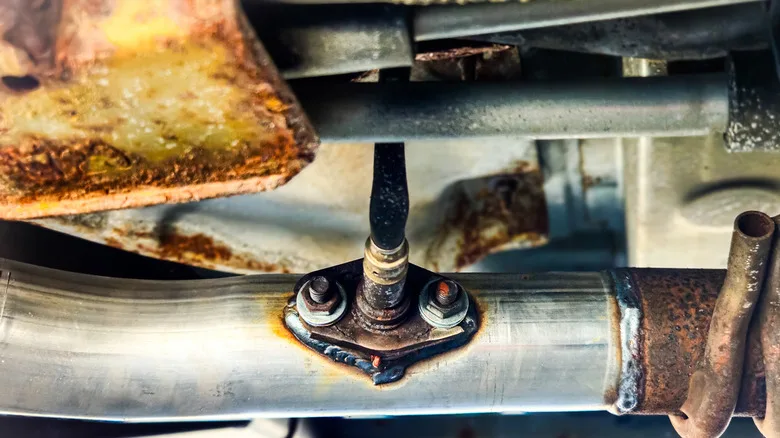
Thermal shock is another major threat. Oxygen sensors operate in extreme heat—some models, like Bosch’s LSU 4.9, are rated for continuous exposure up to 1,706°F and short bursts up to 1,886°F. However, rapid temperature swings, such as when a hot sensor encounters cold water from road splashes or condensed exhaust moisture, can cause microscopic cracks in the sensor’s layers. This thermal stress degrades performance over time.
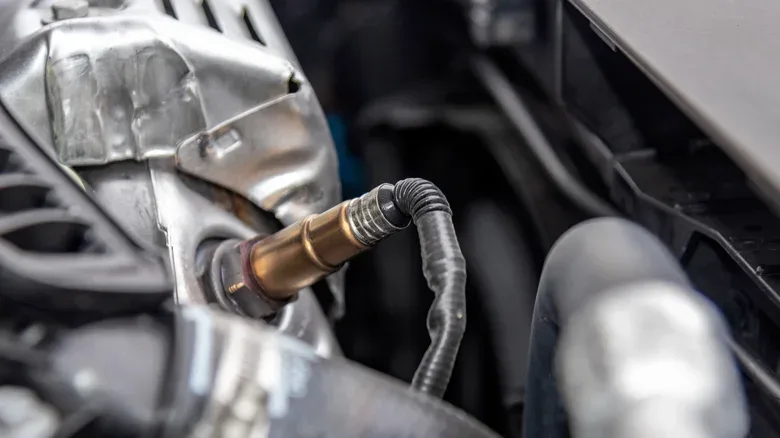
Warning signs of a failing O2 sensor are often subtle but detectable. A check engine light that persists after being cleared is a common indicator. In some cases, especially with downstream sensors, there may be no immediate symptoms, though a failing catalytic converter—often linked to a bad O2 sensor—can produce noticeable odors. Performance issues like poor acceleration, rough idling, or reduced fuel efficiency are also red flags.
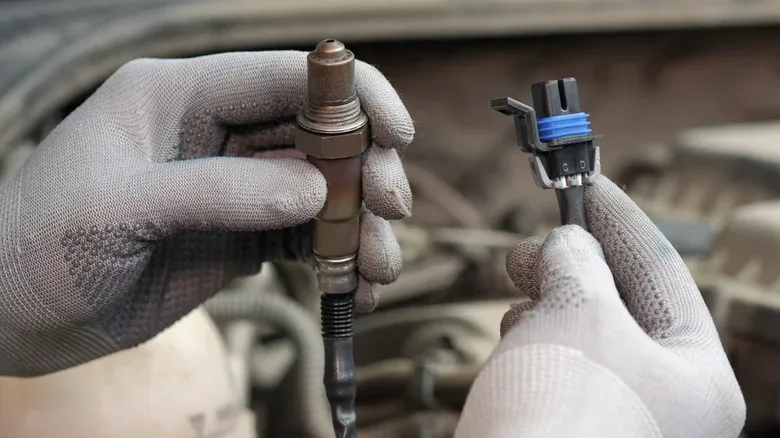
To maximize O2 sensor longevity, avoid aggressive driving that generates excessive heat, and be cautious when refueling, especially if using leaded or high-lead racing fuels. Regular maintenance, prompt repairs for coolant or oil leaks, and addressing exhaust system issues can prevent premature sensor failure. Ultimately, while O2 sensors are built to last, their lifespan is highly dependent on driving habits, fuel quality, and environmental conditions—so vigilance is key.
📱 Follow our Telegram channel for daily updates
Source: Jalopnik (Auto Culture & Tuning) (jalopnik.com)