🔔 Read us on Telegram — don’t miss the latest automotive news → t.me/motorhub_en
Toyota’s UZ engine family is one of the most celebrated lineups in automotive history, powering everything from luxury sedans to rugged SUVs and trucks over a 24-year production run from 1989 to 2013. The family consists of three distinct V8s—each tailored for different roles but sharing core architecture. Here’s a breakdown of how the 1UZ-FE, 2UZ-FE, and 3UZ-FE stack up against each other in terms of design, materials, displacement, and performance.
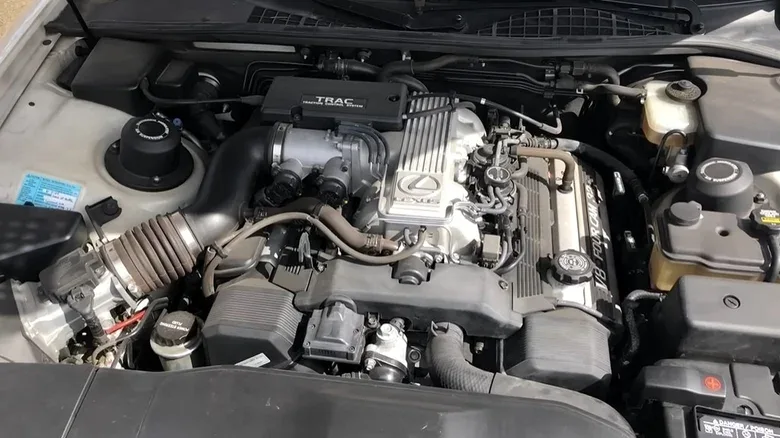
The 1UZ-FE was Toyota’s first modern quad-cam V8, debuting under the hood of the 1989 Lexus LS 400. Built with race-grade internals, it featured an aluminum block and cylinder heads, a forged steel crankshaft, and six cross-bolted main caps for rigidity. The engine displaced 4.0 liters (3.44-inch bore, 3.25-inch stroke) and initially ran a 10.0:1 compression ratio, later bumped to 10.4:1 in 1995 with lighter pistons and rods. By 1997, VVT-i variable valve timing was added, pushing output from 250–261 HP and 260–269 lb-ft in non-VVT-i versions to 290–300 HP and 300–310 lb-ft in VVT-i models. The 1UZ also saw sequential multiport fuel injection replace the original multi-point setup. It powered the Lexus LS 400, GS 400, SC 400, and Toyota’s Crown, Soarer, Celsior, and Aristo.
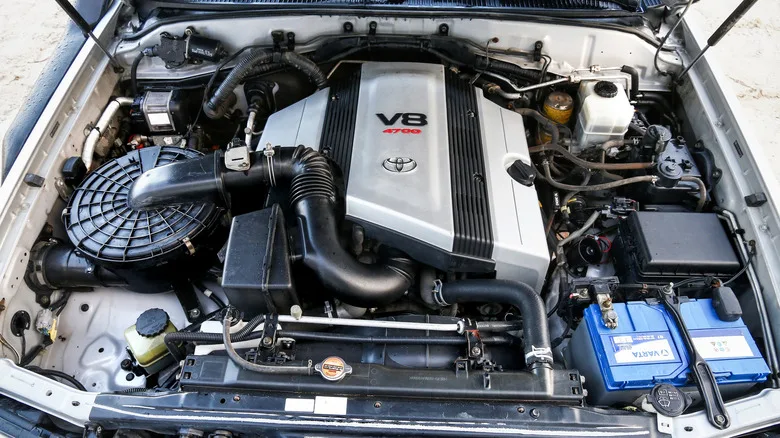
The 2UZ-FE was engineered for body-on-frame SUVs and trucks, prioritizing durability over weight savings. Its cast-iron block and cylinder heads made it the heaviest of the trio at 485 pounds, but also the most robust. Displacing 4.7 liters (3.7-inch bore, 3.31-inch stroke), it debuted in the 1998 Toyota Land Cruiser 100 and remained in production until 2012. Early versions used a steel crankshaft and a 9.6:1 compression ratio, later updated to 10.0:1 with VVT-i in 2005. Output ranged from 230–245 HP and 300–315 lb-ft in non-VVT-i models to 271–282 HP and 315–325 lb-ft in VVT-i variants. The 2UZ also introduced direct ignition with individual coilpacks, a departure from the 1UZ’s distributor-based system (later updated to direct ignition in VVT-i versions). It powered the Lexus LX 470, GX 470, Toyota Tundra, Sequoia, Land Cruiser, and 4Runner.
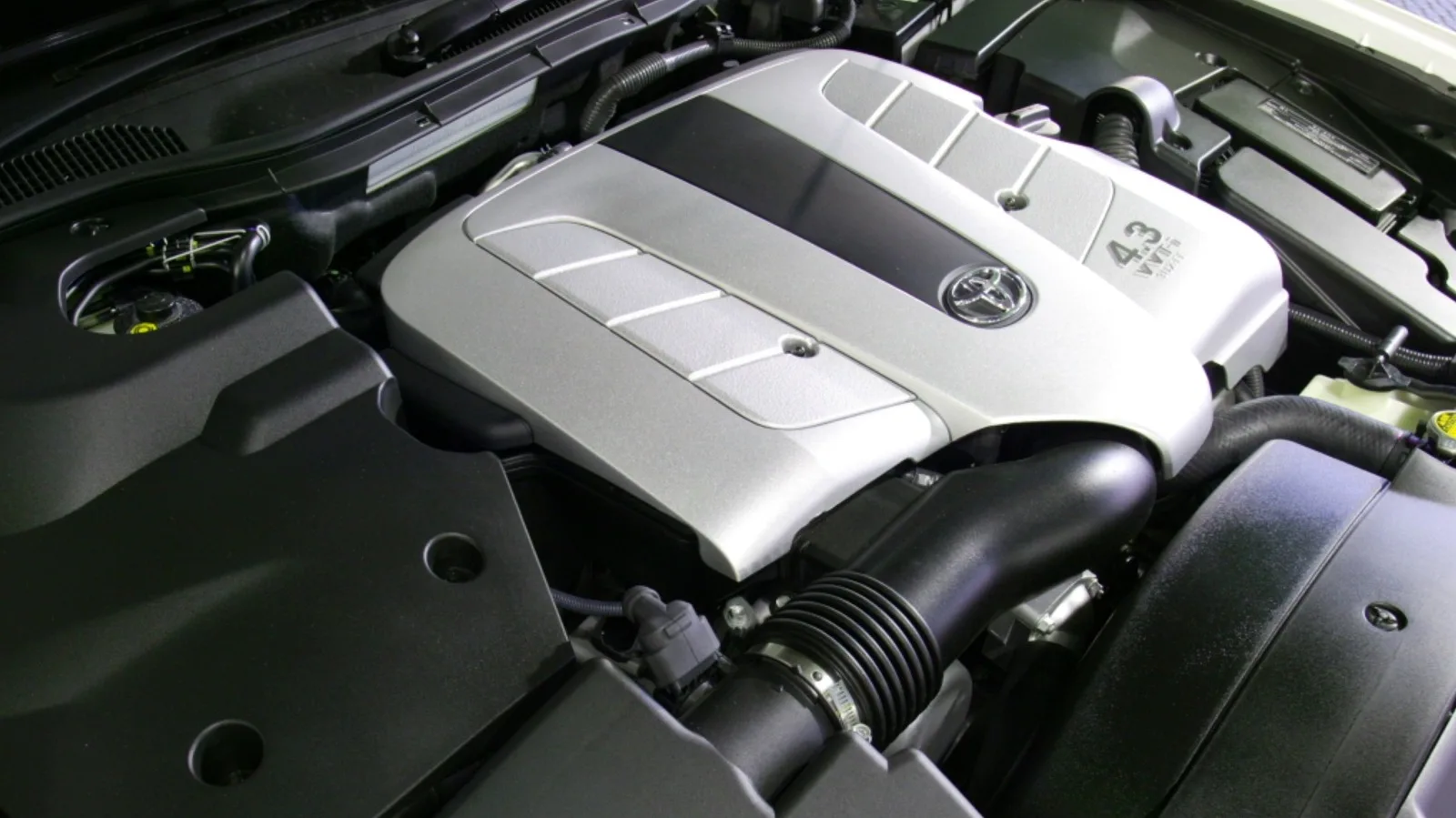
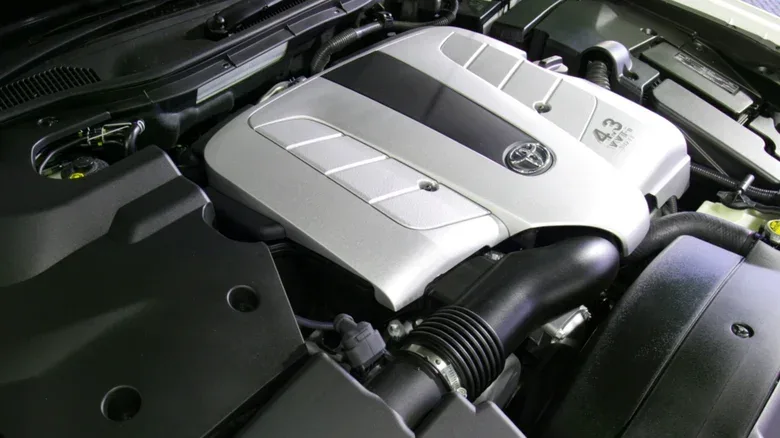
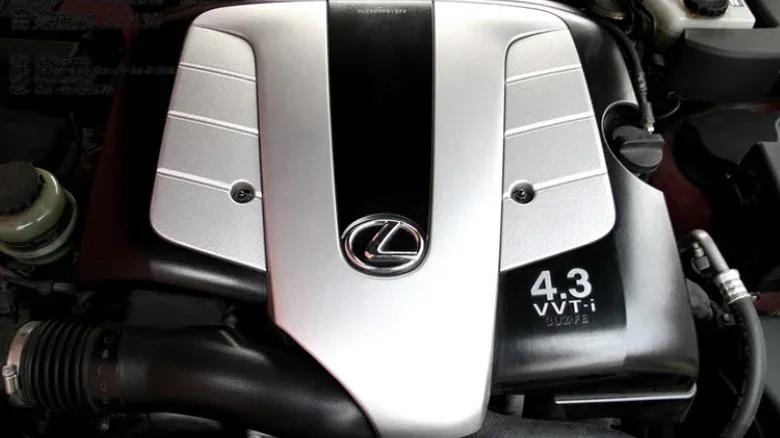
The 3UZ-FE arrived in 2001 with the Lexus LS 430, refining the VVT-i 1UZ platform. Like the 1UZ, it used an aluminum block, cylinder heads, and forged internals, but with a larger 4.3-liter displacement thanks to a 3.58-inch bore (up 0.14 inches) and the same 3.25-inch stroke. It weighed just 386 pounds—100 pounds lighter than the 2UZ—thanks to aluminum construction. Early 3UZ models featured single VVT-i, while later versions adopted Dual VVT-i for better torque response, fuel efficiency, and emissions. Compression remained at 10.5:1, matching the VVT-i 1UZ. The 3UZ powered the Lexus LS 430 and GS 430, as well as the Toyota Crown Majesta.
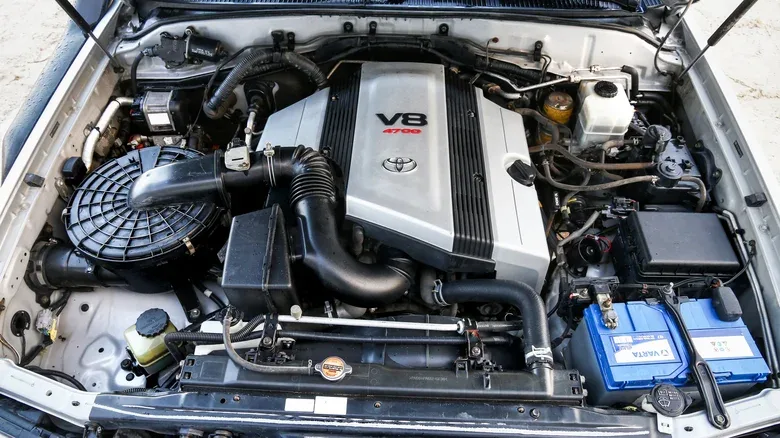
All three UZ engines shared a 90-degree V8 layout, quad overhead cams, and four valves per cylinder, but diverged in materials, displacement, and tuning focus. The 1UZ was the tuner’s darling, the 2UZ the workhorse for off-road and towing, and the 3UZ the refined luxury performer. Despite their differences, each earned Toyota’s reputation for bulletproof reliability—a legacy that endures in restomods and classic car circles today.
📱 Follow our Telegram channel for daily updates
Source: Jalopnik (Auto Culture & Tuning) (jalopnik.com)