🔔 Read us on Telegram — don’t miss the latest automotive news → t.me/motorhub_en
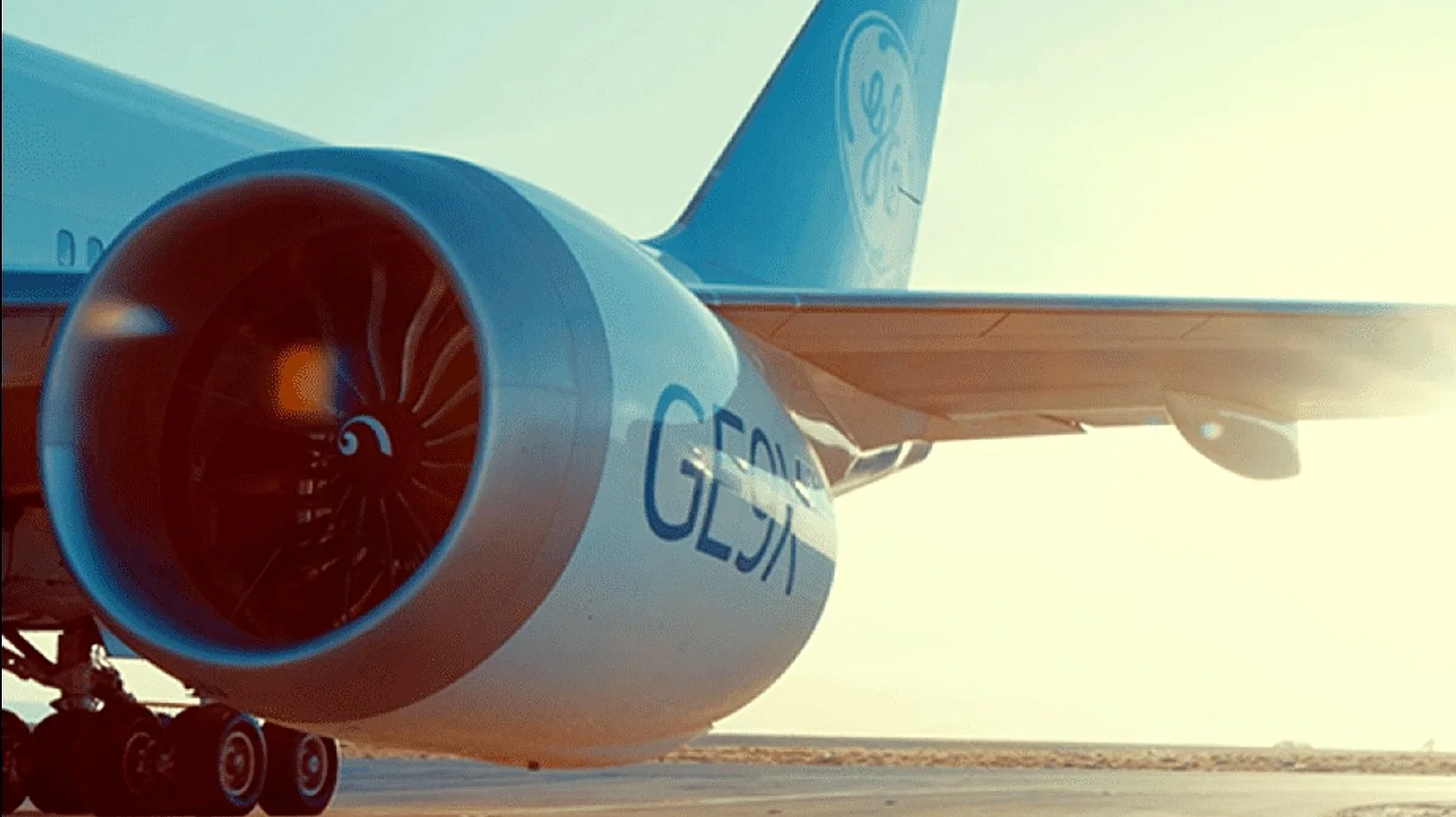
GE Aerospace’s GE9X is the largest and most powerful commercial jet engine ever built, with a fan diameter of 134 inches—nearly the width of a Boeing 737 fuselage—and a thrust output of up to 134,300 pounds. Designed exclusively for the Boeing 777X, the engine pushes turbofan efficiency to the limit with a 10:1 bypass ratio, achieved through its massive front fan.
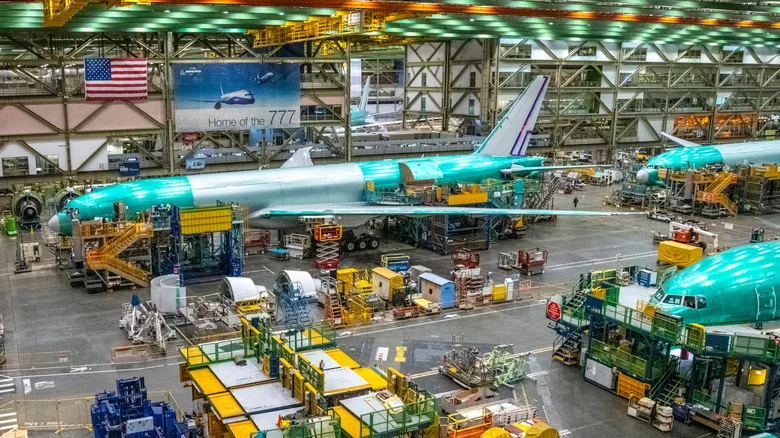
But scale brings unique challenges. The GE9X’s 16 carbon-fiber blades spin at supersonic tip speeds even at low RPM, generating extreme centrifugal forces and vibrations unseen in smaller engines.
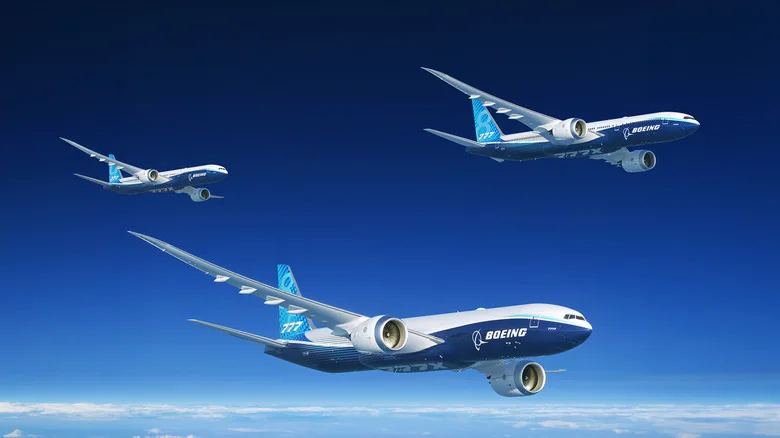
Its sheer size also forced Boeing to redesign the 777X’s landing gear, adding length and specialized wing mounts to prevent the nacelle from scraping the runway. Weight remains a critical issue: despite using next-gen carbon fiber and 3D-printed components, the GE9X weighs over 21,000 pounds, creating rotational inertia that demands specialized software for optimal performance.
The engine’s complexity has led to repeated setbacks. In 2024, inspectors discovered cracked thrust links—structural components holding the engine to the wings—grounding the test fleet and forcing Boeing to redesign critical components.
By early 2026, a new durability flaw emerged: a crack in the GE9X’s mid-seal, a pressure boundary between turbine stages, unable to withstand the engine’s extreme internal conditions. The fallout has been severe.
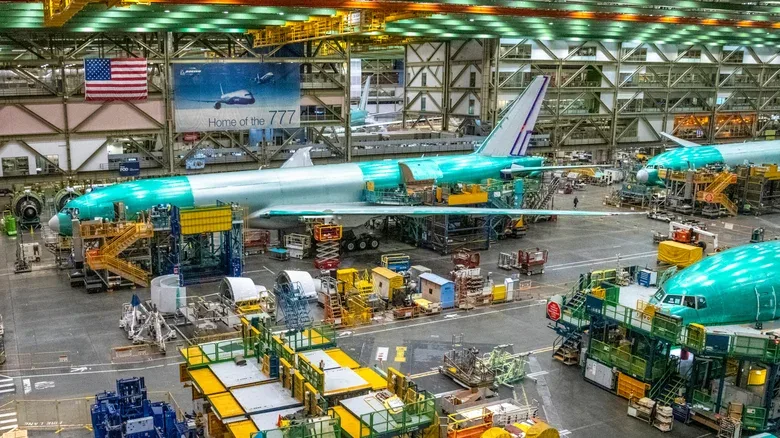
The Boeing 777X program is six years behind schedule, with $15 billion in development costs already spent—one of the most expensive certification campaigns in aviation history. Delays have cost Boeing orders, including 15 canceled by Etihad Airways, and the lack of engine alternatives (the GE9X is the sole powerplant for the 777X) means any issue halts the entire program.
Yet the stakes are high: once certified, the GE9X promises a 10% fuel-burn improvement over its predecessor, the GE90, a critical advantage in an industry where margins are razor-thin. As the engine prepares for its 2027 entry into service with Lufthansa, the GE9X stands as both a technical marvel and a cautionary tale: in aerospace, bigger engines demand bigger gambles.
📱 Follow our Telegram channel for daily updates
Source: Jalopnik (Auto Culture & Tuning) (jalopnik.com)