🔔 Read us on Telegram — don’t miss the latest automotive news → t.me/motorhub_en
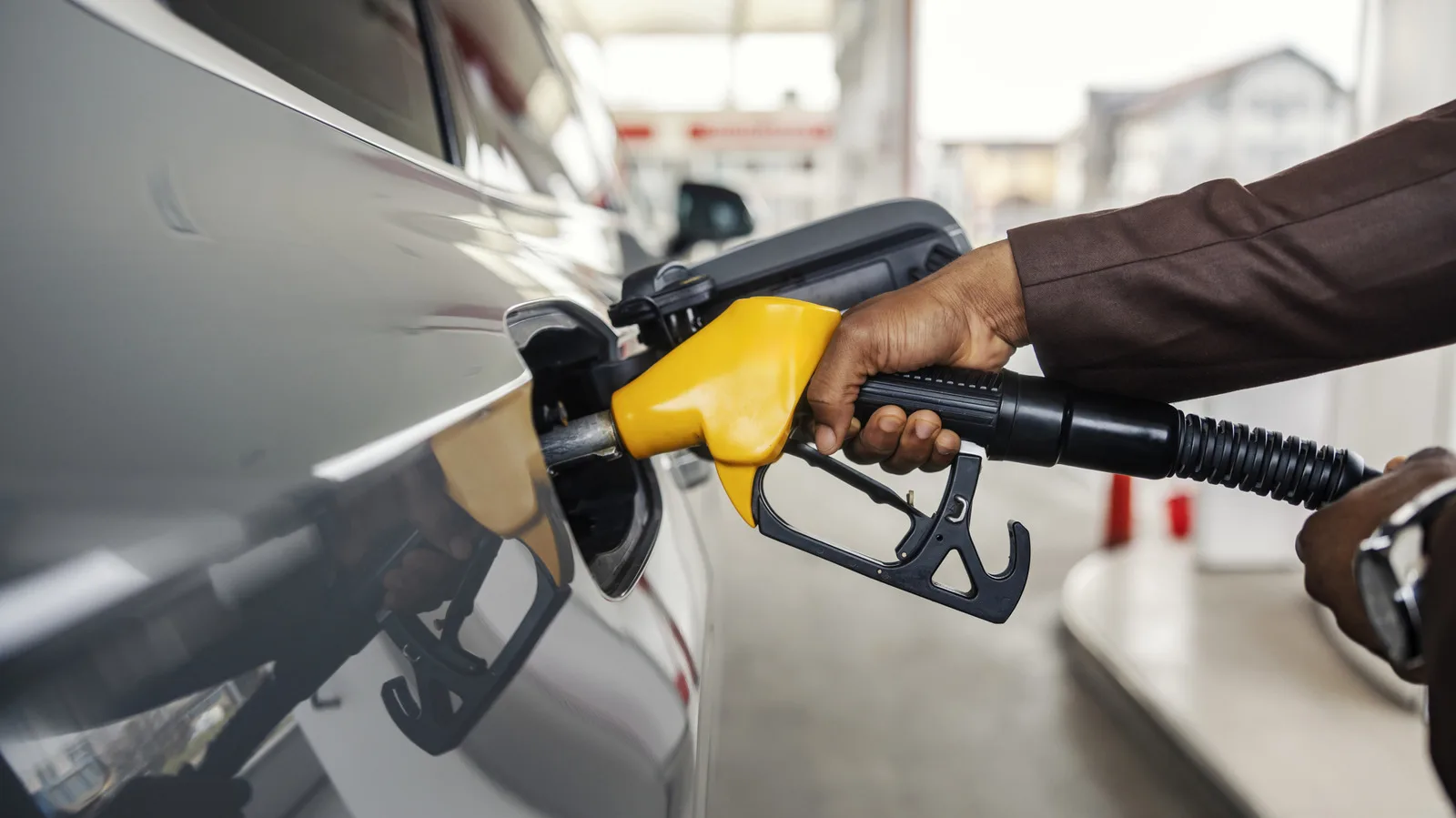
You’ve probably seen it at the pump: a sticker warning that you must buy at least four gallons of fuel. No, it’s not a corporate cash grab. The rule targets owners of vehicles that can’t safely run E15, a blend of 85% gasoline and 15% ethanol. The Environmental Protection Agency (EPA) limits E15 to cars from model year 2001 onward, so any leftover E15 in the hose from a previous customer could wreck an older engine.
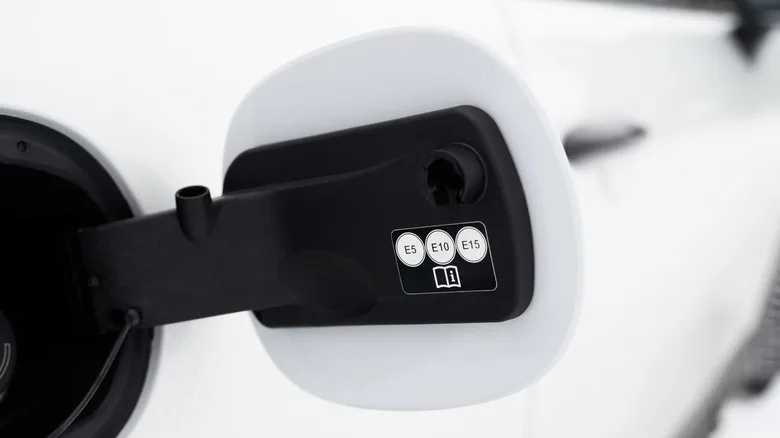
Pumping four gallons flushes out the hose, diluting any residual E15 and protecting the next car from damage. The catch: this only applies to “blender pumps” that dispense both E10 (90% gasoline, 10% ethanol) and E15. Most pumps in the U.S. are single-fuel E10 dispensers, so the four-gallon rule rarely comes into play. Even when it does, E15 itself remains scarce—only about 3% of gas stations sell it, and most of those use dedicated hoses or separate pumps.
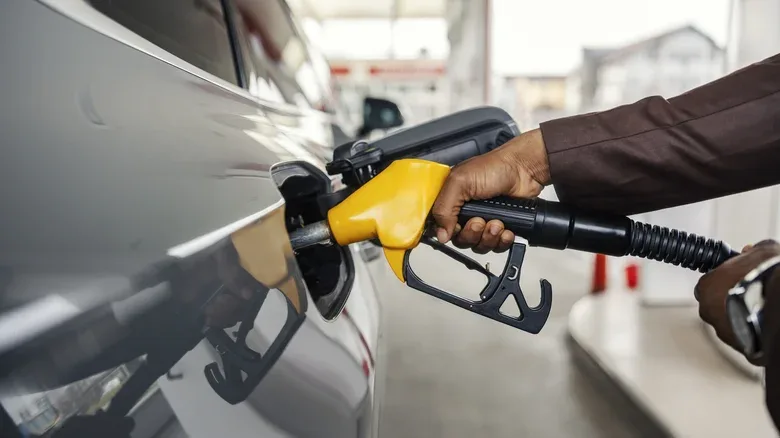
Ethanol, the alcohol derived mainly from corn, boosts octane but is also a solvent that can corrode rubber, plastic, and aluminum in incompatible engines. The EPA explicitly bans E15 in motorcycles, heavy-duty vehicles, boats, snowmobiles, chainsaws, and lawn mowers. Despite House Republicans pushing to expand E15 sales amid high gas prices, the fuel’s efficiency and environmental benefits are hotly debated. The four-gallon minimum is a safety buffer, not a legal mandate, but it’s a quirk of the modern fuel ecosystem that keeps older cars—and their owners—out of trouble.
📱 Follow our Telegram channel for daily updates
Source: Jalopnik (Auto Culture & Tuning) (jalopnik.com)