🔔 Read us on Telegram — don’t miss the latest automotive news → t.me/motorhub_en
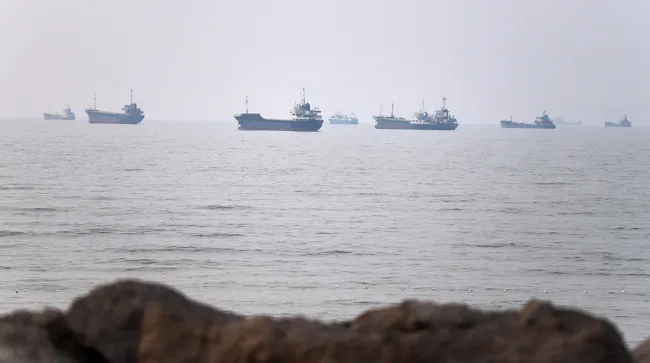
Iran and Oman have made progress toward a landmark agreement to reopen the Strait of Hormuz, a critical chokepoint for global oil and gas shipments, regional officials confirmed on August 4, 2026. The emerging deal would establish separate entry and exit routes for commercial vessels: ships would enter the Persian Gulf via an Iranian-controlled corridor and exit through an Oman-controlled corridor, with both countries charging a “service fee” for security and environmental protection. Negotiations remain ongoing, and the final terms could still change, the officials said on condition of anonymity. Any agreement is explicitly tied to the lifting of the U.S. blockade on Iran’s ports, which has been in place since the start of the conflict. A formalized Iranian role in controlling the strait would represent a major strategic victory for Tehran, potentially complicating U.S. efforts to block the deal. The Strait of Hormuz was an open international waterway before the U.S. and Israel launched a coordinated attack on Iran on February 28, 2026. Since then, Iran has largely shut down the strait through targeted attacks on vessels, disrupting the flow of one-fifth of the world’s traded oil and gas and triggering sharp spikes in fuel and fertilizer prices worldwide. U.S. officials acknowledged progress in the talks but stressed that no final agreement has been reached. Secretary of State Marco Rubio told reporters at the State Department that “there’s been progress made in those talks, but not finality yet. We’re hoping that will happen very shortly.” He reiterated previous warnings that Washington would reject any deal granting Iran control over the strait, calling it a “very dangerous precedent” for global maritime security. Treasury Secretary Scott Bessent told CNBC that a potential deal could be finalized “today or tomorrow,” adding that while conditions remain volatile, several ships have already resumed transit through the strait in recent days. The proposed agreement was first reported by The New York Times. President Donald Trump framed the negotiations as Iran’s “last chance” to avoid further military escalation, stating on August 3 that the first phase of any deal would involve reopening the strait, followed by a second phase focused on Iran’s nuclear program. Trump said, “The first phase is the opening of the straits. The second phase will be the denuclearization. And that will take a little while.” Iran has denied negotiating directly with the U.S., insisting that talks are solely with Oman. The two sides had reached an interim agreement in June to reopen the strait and initiate 60 days of negotiations aimed at ending the war and resolving the longstanding dispute over Iran’s nuclear program. That agreement collapsed amid escalating hostilities, with the original deadline just two weeks away. Meanwhile, tensions flared again on August 3 when a cargo ship reported being struck by an “unknown projectile” in the strait off the coast of Oman. The United Kingdom Maritime Trade Operations Center confirmed the incident but provided no details about the vessel, including its flag or cargo. British maritime security firm Ambrey later reported that the ship sustained damage. The attack occurred near a route frequently targeted by Iran in recent weeks, a corridor that runs close to Oman and is overseen by the U.S. military in an attempt to bypass Iranian control. The Strait of Hormuz’s closure has already sent shockwaves through global energy markets, with oil prices surging in response to the disruption of a vital trade artery.
📱 Follow our Telegram channel for daily updates
Source: Transport Topics — Michelin & Tires (EN) (ttnews.com)