
🔔 Read us on Telegram — don’t miss the latest automotive news → t.me/motorhub_en
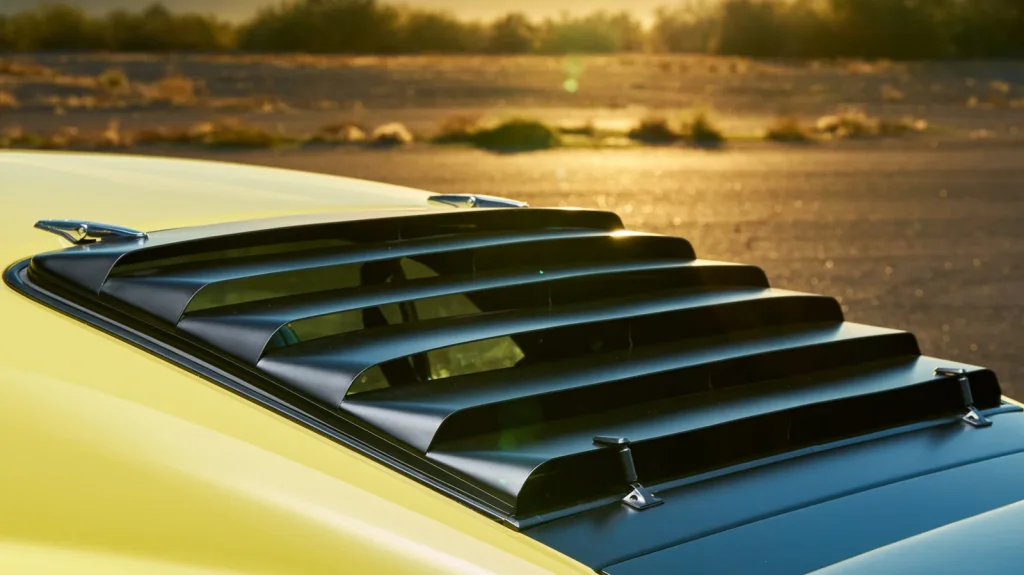
In the 1960s and 1970s, muscle cars like the Ford Mustang and Dodge Challenger popularized features like hood scoops, bold graphics, and window louvers. But why did these cars use window louvers? The answer goes beyond just looking cool.
Window louvers, also known as sports slats, were used to minimize the effect of the sun on the car’s interior, particularly on fastback models with large expanses of shallowly raked glass. Air conditioning was an expensive option at the time, and window tints were still in their infancy, so drivers looked for ways to keep cool. The louvers also improved privacy and added to the gritty visual appeal of muscle cars.
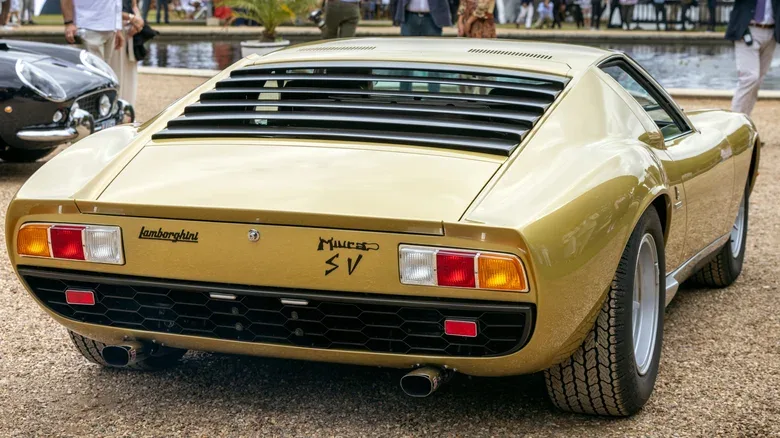
The use of louvers on cars dates back to the 1940s, but the modern concept of louvers as we know it today originated with the Lamborghini Miura in 1966. Other automakers soon followed, and by the mid-1970s, aftermarket louver kits were available for dozens of different models. Although louvers fell out of favor in the 1990s, they have since gained a second life and can be found on modern cars like the Lamborghini Temerario and Chevy C8 Corvette ZR1.
📱 Follow our Telegram channel for daily updates
Source: Volvo Cars Media (EN)