
🔔 Read us on Telegram — don’t miss the latest automotive news → t.me/motorhub_en
A staggering 30% of American car owners are now underwater on their auto loans, carrying an average negative equity of $6,884, according to new data from Edmunds. The trend reflects a toxic mix of soaring new-car prices, stretched loan terms, and pandemic-era supply shocks that have left buyers trapped in a cycle of debt.
The latest figures underscore how fragile the auto-financing market has become. New-car buyers are increasingly turning to 72-month (6-year) loans to afford monthly payments that now average $777, as the average new-vehicle price hits $52,000. But longer loan terms and higher prices mean borrowers are building equity at a glacial pace—if at all. Nearly a quarter of new-car buyers opted for 72-month loans last quarter, a sign of desperation in a market where affordability has collapsed.
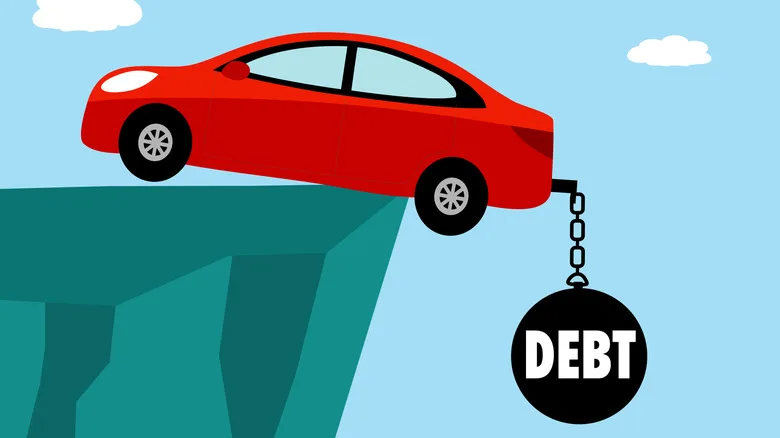
Negative equity—the gap between what you owe on a car and its current market value—has ballooned to $6,884 on average, up sharply from previous quarters. Ivan Drury, director of insights at Edmunds, points to the pandemic as a key driver: when new-car supply evaporated during lockdowns, used-car prices skyrocketed, and buyers who needed wheels were forced to overpay. That “desperation tax” has now come back to haunt them, rolling into the next loan and deepening the hole.

The average age of underwater trade-ins has crept up to four years, though it peaked at 4.3 years in early 2026. But waiting out the clock isn’t a reliable escape hatch anymore. With many buyers financing for six or seven years, the window to trade up before negative equity becomes unmanageable is shrinking.
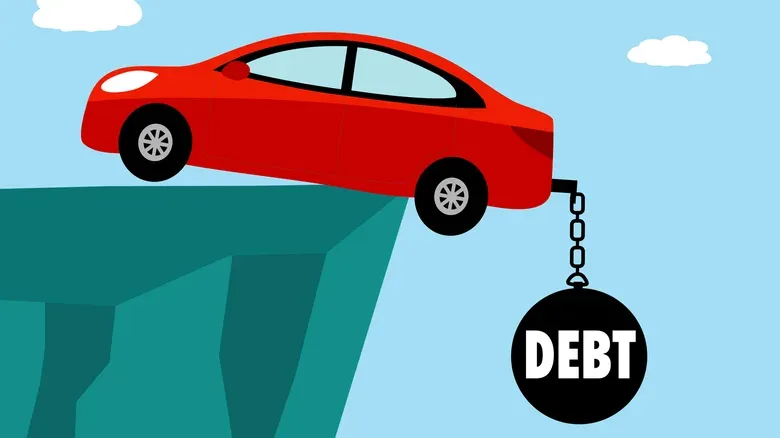
The broader picture is bleak: Americans now owe a record $1.68 trillion in auto debt, a 37% surge since 2018, per CNBC. Rising vehicle costs—driven by inflation, tech bloat, and supply-chain chaos—have left many with no realistic alternative to car ownership, especially outside urban centers. For millions, the dream of mobility has curdled into a debt sentence with no clear exit.
The numbers tell a story of financial strain: average new-car payments at $777, average vehicle price at $52,000, and average negative equity at $6,884. Together, they paint a picture of a market where affordability has collapsed, and borrowers are paying the price—literally.
📱 Follow our Telegram channel for daily updates
Source: Jalopnik (Auto Culture & Tuning) (jalopnik.com)