🔔 Read us on Telegram — don’t miss the latest automotive news → t.me/motorhub_en
Cold weather doesn’t just make you shiver—it shrinks the air inside your tires, causing a drop in PSI that can quietly compromise safety and cost you money. When temperatures plummet from 90°F to 70°F overnight, tire pressure typically falls by 2 to 4 PSI. That might sound minor, but it’s enough to alter handling, braking, and even your fuel economy. A 2014 study by Oak Ridge National Laboratory found that tires running at just 50% of their recommended pressure can reduce fuel efficiency by up to 10%. While that extreme scenario is rare, even a modest pressure loss affects performance and longevity.
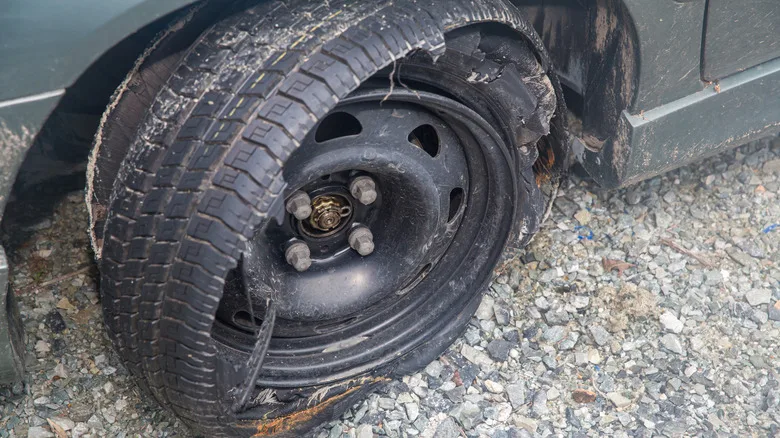
The science is straightforward: air contracts when it cools. That’s why manufacturers recommend checking and filling tires when they’re cold—ideally before driving or first thing in the morning. The PSI number stamped on the tire sidewall isn’t tailored to your vehicle; instead, always use the pressure listed on the placard inside the driver’s door. Ignoring this can lead to uneven tire wear, reduced tread life (up to 25% faster wear, per Tire Rack), and even dangerous blowouts. Consumer Reports and Tire Rack both warn that underinflated tires can cause a car to feel sluggish or “wallow” in turns, increasing the risk of failure.
Some drivers turn to nitrogen inflation, which leaks more slowly than regular air. A 2008 NHTSA study found that using pure nitrogen reduced pressure loss by 35% compared to regular air. But don’t expect to find nitrogen pumps at your local gas station—it’s a niche service, usually offered at tire shops.
Modern cars are getting better at monitoring tire pressure thanks to Tire Pressure Monitoring Systems (TPMS), which became mandatory in the U.S. in 2008. A 2011 NHTSA study of 6,103 vehicles found that only 5.7% of cars with TPMS had tires underinflated by 25% or more, compared to 12.4% of cars without the system. However, TPMS sensors often don’t trigger until pressure drops by about 20%—well past the point where handling and safety are already compromised. AAA research confirms this delay, meaning drivers can’t rely solely on dashboard warnings.
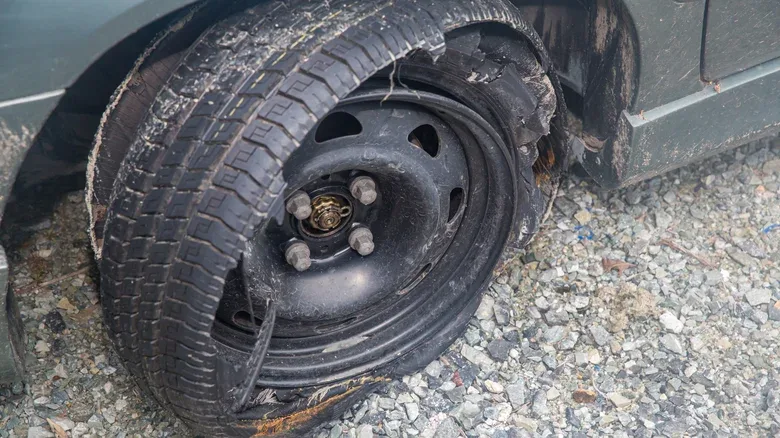
Bottom line: temperature swings affect PSI, but inattention is the real enemy. Check your tire pressure monthly using the manufacturer’s recommended setting, not the sidewall number. Doing so saves rubber, improves safety, and keeps your car running as intended—no matter the weather.
📱 Follow our Telegram channel for daily updates
Source: Jalopnik (Auto Culture & Tuning) (jalopnik.com)