🔔 Read us on Telegram — don’t miss the latest automotive news → t.me/motorhub_en
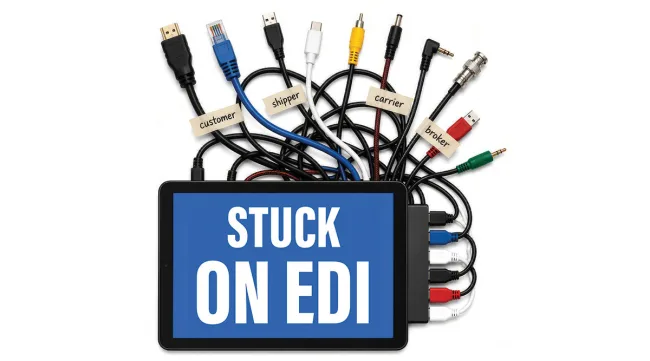
The transportation industry is struggling to modernize its technology systems due to the complexity of electronic data interchange (EDI) connections. Despite the existence of standard transaction protocols, customized EDI variations for each shipper and carrier are creating bottlenecks. Companies such as Hirschbach and Orderful are using artificial intelligence (AI) to speed up EDI onboarding, reduce manual work, and manage hundreds of shipper integrations. However, executives warn that AI still requires oversight to avoid mapping errors and expect the transportation industry to adopt a hybrid model combining EDI and application programming interfaces (APIs). The use of AI is helping to ease the complexity of EDI connections, but it is not a complete solution. Carriers and technology providers are working together to modernize transportation management systems, but the process is slow and costly due to the need to navigate hundreds of customized integrations. EDI serves as the backbone for core transactions in freight operations, including load tenders, shipment tracking, and invoicing. However, customer-specific requirements introduce complexity, making integration between transportation management systems and EDI difficult. The biggest bottleneck is not the EDI standard itself, but the partner-specific variations, according to Ivan Ramirez, chief technology officer for Hirschbach. Each shipper has slightly different rules, fields, timing requirements, test scripts, charge codes, status codes, and exception logic. The scale of such a project can block carriers from adopting new technology, said Mahriah Alf, head of product for TMS provider BeyondTrucks. Companies are working to modernize EDI by using AI, not only within standard processes but also during onboarding and setup. Hirschbach uses Orderful’s Mosaic, an AI-native EDI integration platform, to reduce complexity and allow trading partners to be onboarded more quickly. The real value of an AI-driven EDI platform is faster onboarding, greater standardization, and fewer manual touches, according to Ramirez. Those efficiencies can shorten invoice cycle times, helping carriers accelerate billing and reduce delays tied to missing or incorrect data.
📱 Follow our Telegram channel for daily updates
Source: Transport Topics — Michelin & Tires (EN) (ttnews.com)