🔔 Read us on Telegram — don’t miss the latest automotive news → t.me/motorhub_en
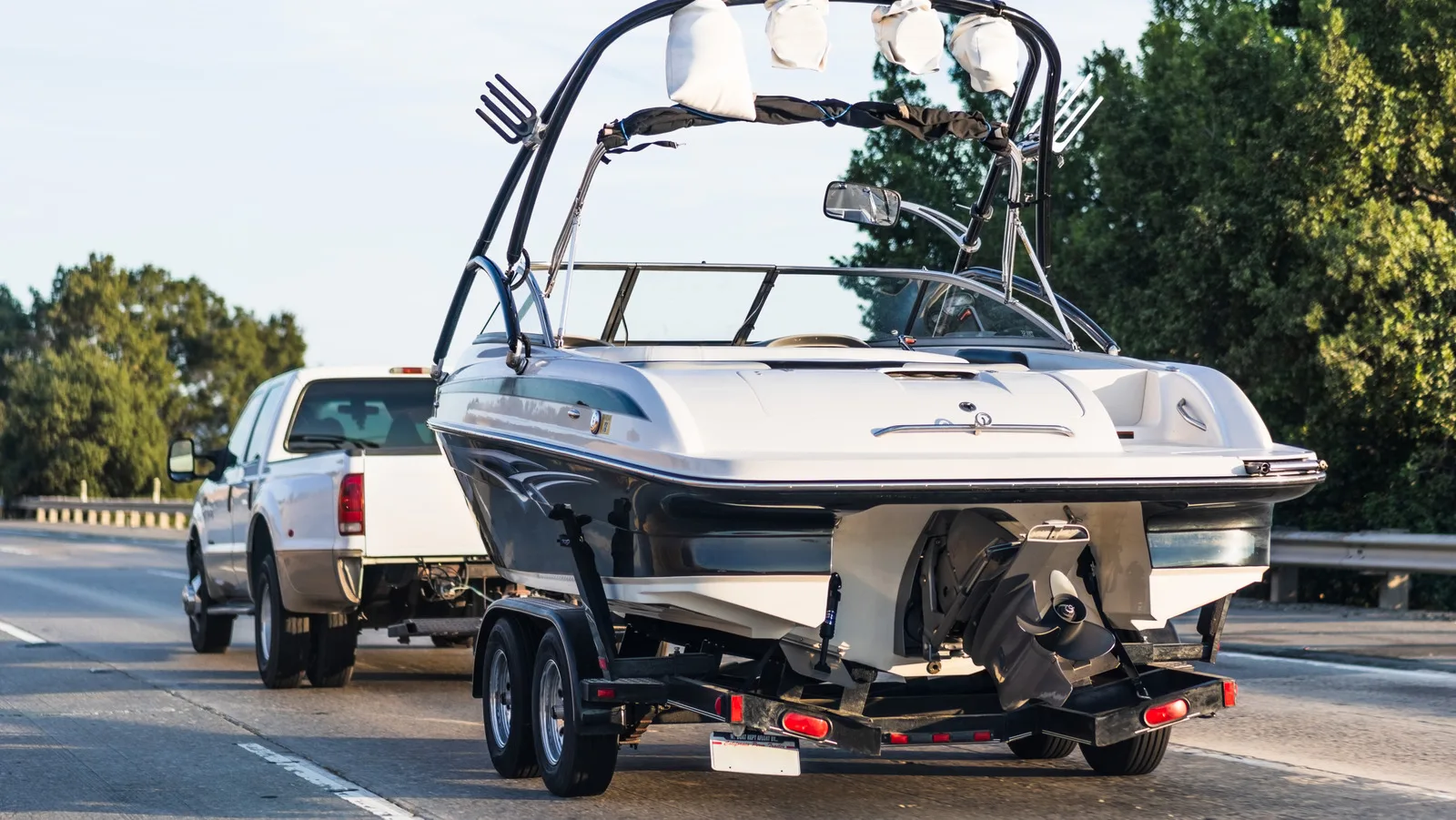
The Department of Transportation regulates trailer tires differently than passenger car tires because they are designed to handle heavier loads and provide sway resistance.
Trailer tires are constructed to inflate to higher pressures and flex less, making them better at managing heavy loads.
They are also designed to handle the unique forces exerted on a trailer tire, such as the lack of a front axle that turns, which puts more force on the sidewall.

Using a car tire on a trailer can be problematic because the tire’s maximum weight-shouldering limit may be higher than what’s technically allowed.
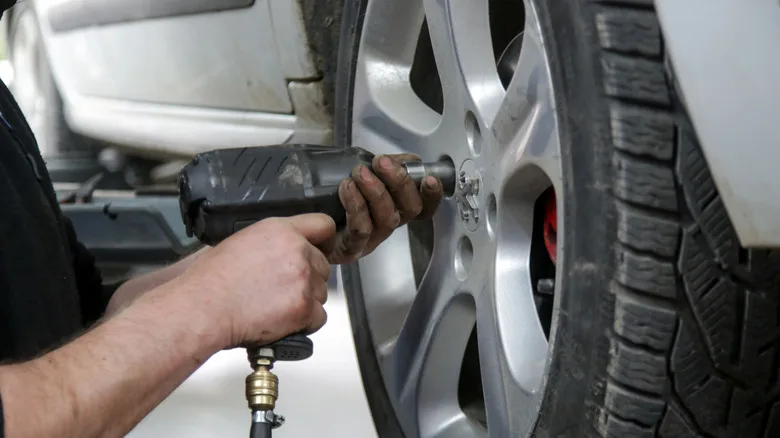
Additionally, trailer tires are not designed for speeds exceeding 65 mph and are often not intended for use on cars due to their higher inflation pressures and thicker sidewalls, which can result in an uncomfortable ride.
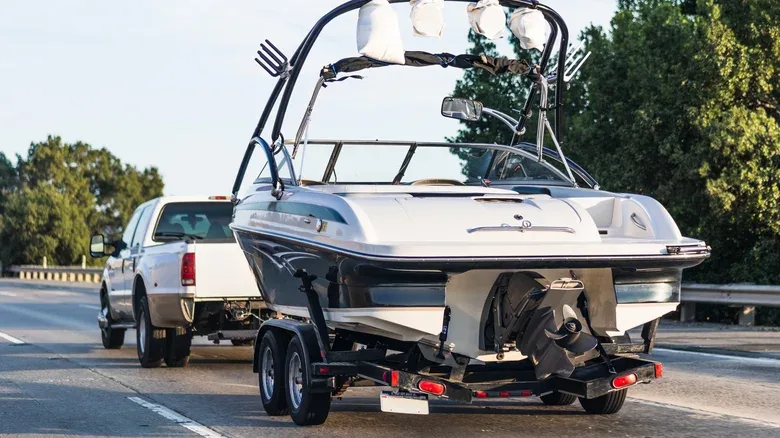
The National Highway Traffic Safety Administration (NHTSA) regulations state that passenger-car tires used on trailers may need their load rating reduced by 1.10, so the sidewall number alone may not be the right number to use.
For example, a passenger-car tire with a load rating of 1,598 pounds would have a legal limit of 1,452 pounds when used on a trailer.
It’s essential to use the correct type of tire for your vehicle or trailer to ensure safety and prevent potential problems.

📱 Follow our Telegram channel for daily updates
Source: Jalopnik (Auto Culture & Tuning) (jalopnik.com)