🔔 Read us on Telegram — don’t miss the latest automotive news → t.me/motorhub_en
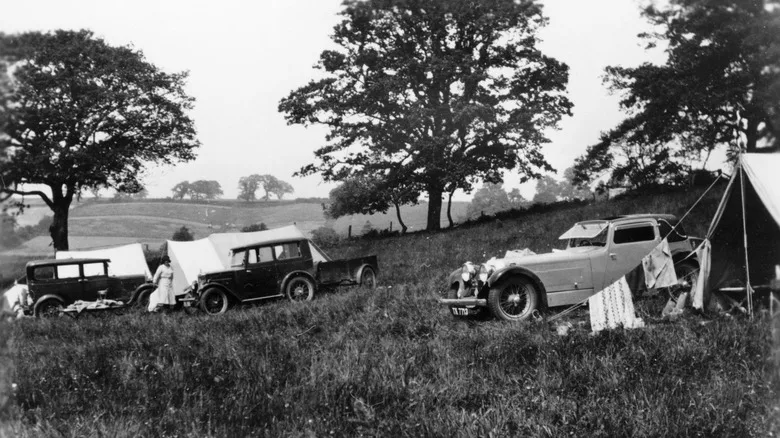
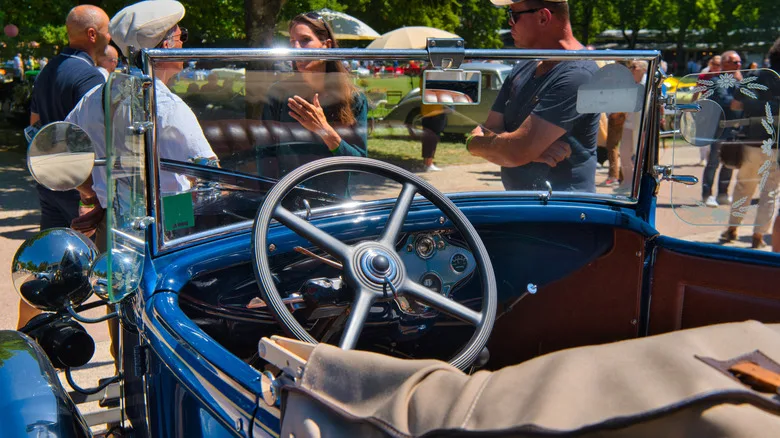
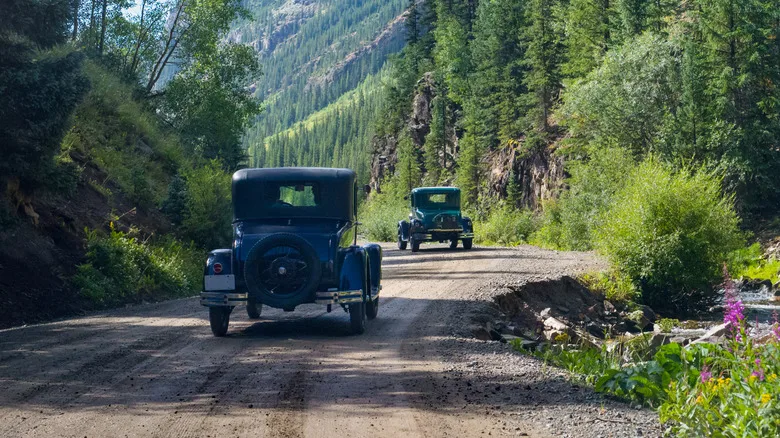
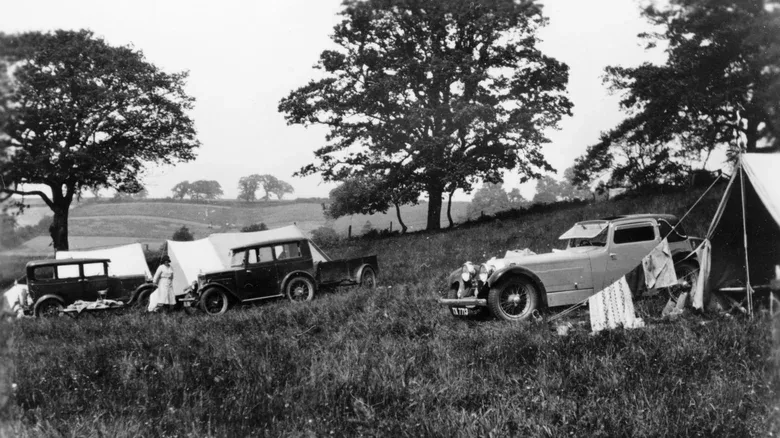
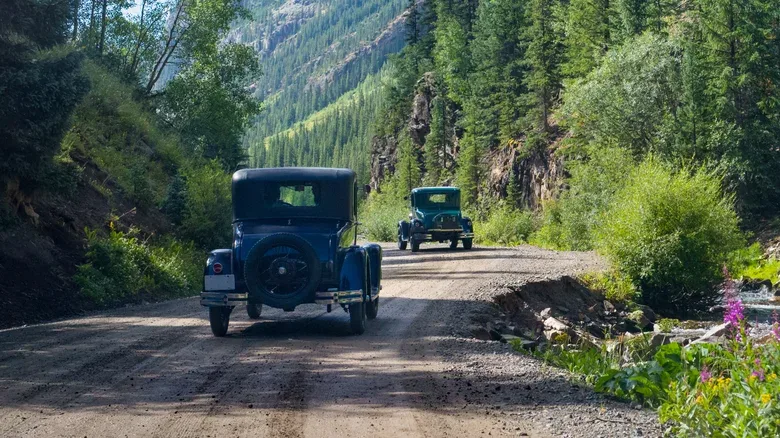
Taking a road trip in the 1920s was a vastly different experience from what we know today. Drivers had to consider rough and unpaved roads, limited access to hotels and restaurants, and the need for frequent car maintenance. Accommodation was a major challenge, with many travelers opting to camp out in the wilderness.
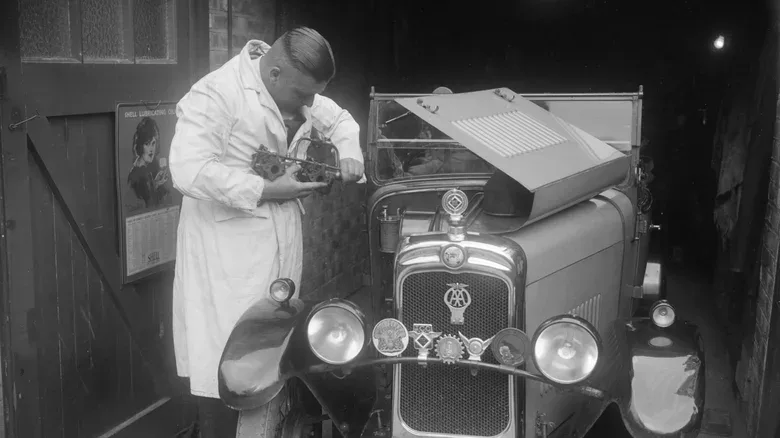
The Ford Model T, a popular car of the time, required an oil change every 750 miles, and chassis lubrication every 200-500 miles.
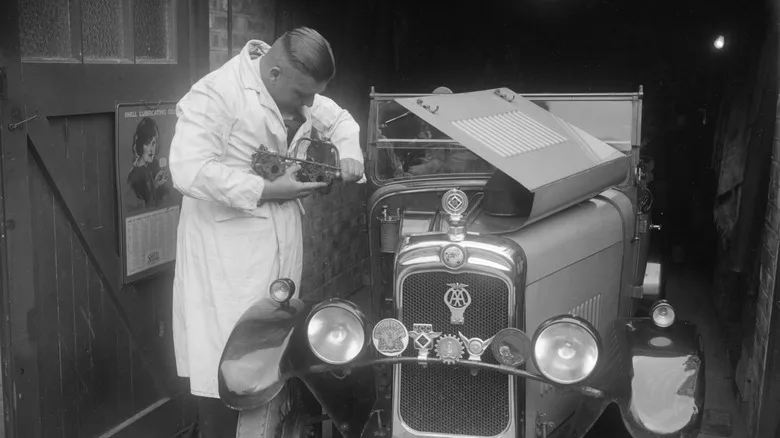
Additionally, cars did not have antifreeze, so motorists had to drain the radiator every night to prevent it from freezing.
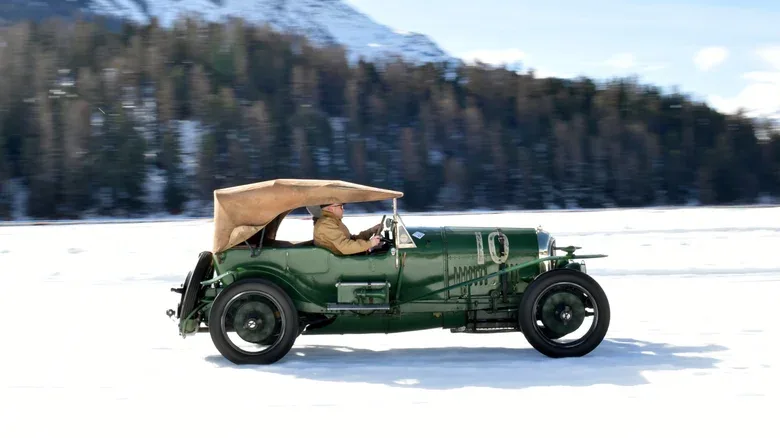
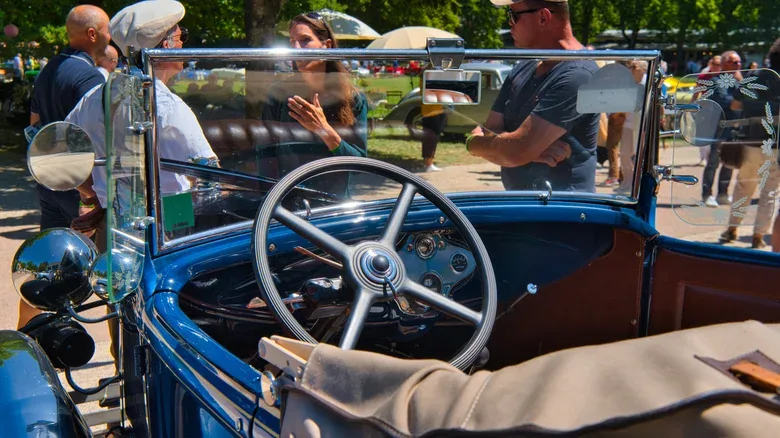
Road tripping without creature comforts like windshield wipers, air conditioning, and infotainment systems was the norm.

Travelers had to be self-sufficient and resourceful, with at least one passenger needing to be a competent mechanic.
The rules of road-tripping in the 1920s focused on car maintenance and survival, rather than comfort and convenience.
For example, a young woman’s diary from 1920 documented her family’s seven-week road trip from California to Ohio, during which they camped out in the wilderness and had to navigate rough roads.
Another family’s journal from 1921 told similar stories of camping under the stars in the Wyoming desert.
These stories highlight the challenges and adventures of road-tripping in the 1920s, and how different it was from the experience of driving today.

📱 Follow our Telegram channel for daily updates
Source: Jalopnik (Auto Culture & Tuning) (jalopnik.com)