🔔 Read us on Telegram — don’t miss the latest automotive news → t.me/motorhub_en
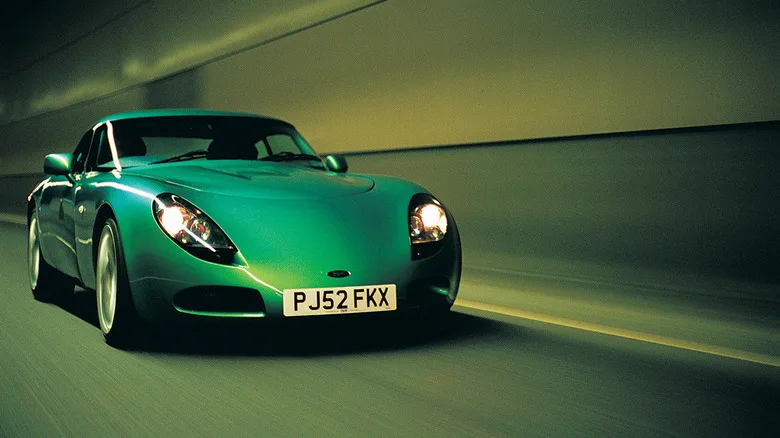
TVR, a British sports car manufacturer, has a history of producing visceral cars that disregard the status quo for driver assistance and safety. Founded in 1947 by Trevor Wilkinson, TVR spent decades using Rover and Ford engines in its sports cars.
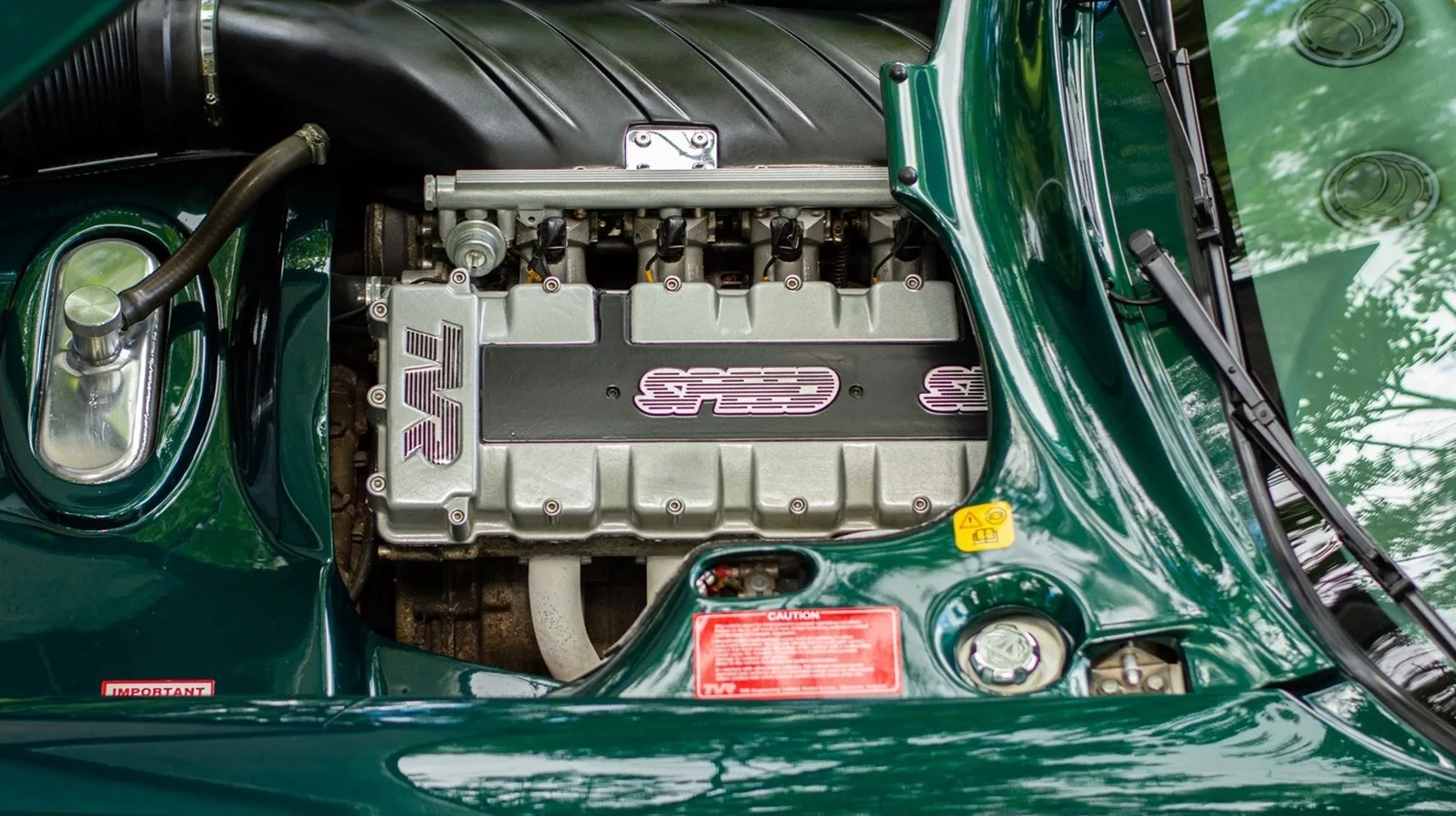
However, under Peter Wheeler’s leadership, which began in 1981, the company decided to build its own engine, the Speed Six. The Speed Six is a 24-valve twin-cam inline-six engine available in 4.0 and 3.6-liter displacements, with each cylinder having its own throttle body and fuel injector.
The engine features an aluminum block with a dry-sump lubrication system, allowing it to be mounted lower in the chassis for improved handling. In its 3.6-liter form, the Speed Six produced 350 horsepower and 290 pound-feet of torque, while the 4.0-liter S variant produced 390 horsepower at 7,000 rpm and 310 lb-ft at 5,250 rpm.
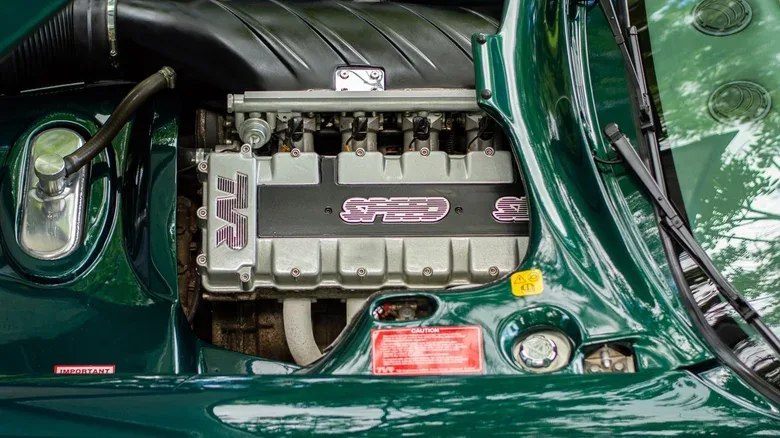
Later models reached up to 400 horsepower and 315 lb-ft, with the engine producing 100 horsepower per liter. TVR also developed the Speed Twelve, a 7.7-liter V12 engine based on the Speed Six architecture, which was intended for the GT1 class at Le Mans.
However, the Speed Twelve was never able to compete due to rule changes, and its production was ultimately canceled due to concerns over its power and handling. The Speed Six, on the other hand, remained in production until TVR’s closure in 2006 and is considered one of the greatest engines the company ever produced.
📱 Follow our Telegram channel for daily updates
Source: Jalopnik (Auto Culture & Tuning) (jalopnik.com)