🔔 Read us on Telegram — don’t miss the latest automotive news → t.me/motorhub_en
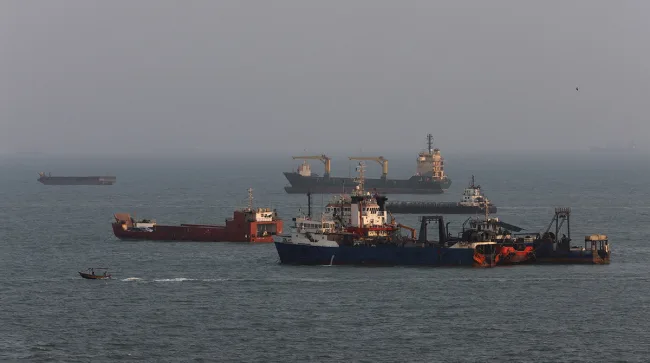
President Donald Trump declared on August 11 that the U.S. has “total control” over the Strait of Hormuz, a critical waterway through which roughly one-fifth of global oil and liquefied natural gas (LNG) flows. Speaking at Joint Base Andrews outside Washington, Trump stated, “We own it,” adding that the U.S. Navy maintains an “infallible” blockade described as a “steel wall.” His remarks came as negotiations between Washington and Tehran over the strait remained deadlocked, with both sides hardening their stances. Iran has dismissed Trump’s claims, continuing intermittent attacks on ships transiting the passage. The dispute centers on control of the strait, which has seen disruptions since the U.S. and Israel launched attacks on Iran on February 28. An interim peace deal agreed in June has failed to resolve the conflict, with terms now effectively obsolete. Mediators from Qatar and Pakistan have been attempting to broker a resolution, but officials and analysts describe the talks as stalled. Pakistani Interior Minister Mohsin Naqvi delivered a message from Prime Minister Shehbaz Sharif and army chief Field Marshal Asim Munir to Iranian leadership on August 12, as part of ongoing negotiations. Meanwhile, Iran’s newly appointed secretary of the Supreme National Security Council, Mohsen Rezaee, indicated that any agreement with Oman regarding control of the strait would remain separate from broader negotiations to reopen the waterway. Iran has conveyed additional demands to the U.S., including ending the war and unfreezing blocked Iranian assets, according to state-run IRIB. Former U.S. Deputy Secretary of State Wendy Sherman told Bloomberg TV that the U.S. would need to offer significant sanctions relief or allow Iran and Oman to impose voluntary tolls to achieve a sustainable reopening of the strait. “I think the reality is for the foreseeable future, if not forever, Iran will control the Strait of Hormuz,” she said. Oil prices have climbed in response to the uncertainty, with Brent crude trading slightly above $89 per barrel in London on August 12, extending a six-day rally. U.S. Energy Secretary Chris Wright stated in a social media post that the seven-day average for oil leaving the Strait of Hormuz is nearly 9 million barrels per day, higher than many trader estimates. Despite U.S. naval blockades and attacks on vessels violating the blockade—including a Panama-flagged cargo ship targeted by a U.S. Navy helicopter on August 11—some maritime traffic continues through the strait. Satellite imagery has shown vessels conducting cargo transfers outside Hormuz, with transponders turned off to avoid detection. Twelve such switches were observed along a 100-kilometer stretch of the Omani and UAE coasts on August 11, according to data from the EU’s Sentinel 2 satellite. Some ships have reappeared in tracking data after crossing the strait, as recorded by platforms like Kpler and Vortexa.
📱 Follow our Telegram channel for daily updates
Source: Transport Topics — Michelin & Tires (EN) (ttnews.com)