🔔 Read us on Telegram — don’t miss the latest automotive news → t.me/motorhub_en
Air conditioning, once a luxury, is now a standard feature in almost every car sold in the US. However, the refrigerants used in these systems have changed several times due to environmental concerns.
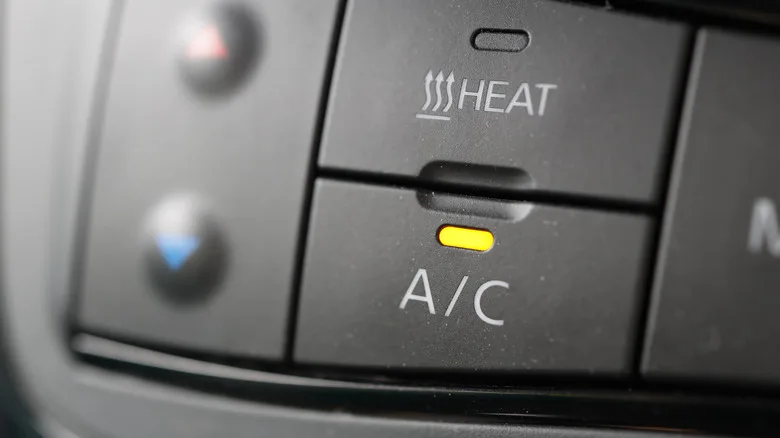
The original compound, R-12, was banned in the 1990s due to its contribution to ozone layer depletion and was replaced with R-134a, a hydrofluorocarbon (HFC) that was thought to be a solution. But R-134a has turned out to be a major greenhouse gas, accounting for 24% of all HFC use and being the most common HFC in the atmosphere.
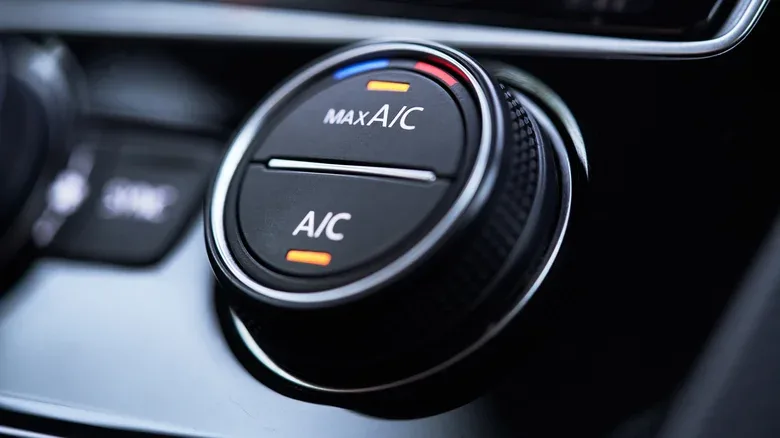
Europe phased out R-134a in 2017 and replaced it with R-1234yf, a hydrofluoroolefin (HFO) that was supposed to address the shortcomings of its predecessors. However, a study by the University of Bristol has found that R-1234yf is becoming a major source of trifluoroacetic acid (TFA) in the atmosphere, a “forever chemical” that can harm liver function and reproductive functions.
R-1234yf may already be generating three-quarters as many TFAs as R-134a, despite being in use for a shorter period. Additionally, R-1234yf can break down into powerful greenhouse gases like carbon tetrafluoride and HFC-23, and it costs more than three times as much as R-134a, contributing to the high prices of new cars. This raises concerns about the environmental impact of R-1234yf and the need for a replacement.
📱 Follow our Telegram channel for daily updates
Source: Jalopnik (Auto Culture & Tuning) (jalopnik.com)