🔔 Read us on Telegram — don’t miss the latest automotive news → t.me/motorhub_en
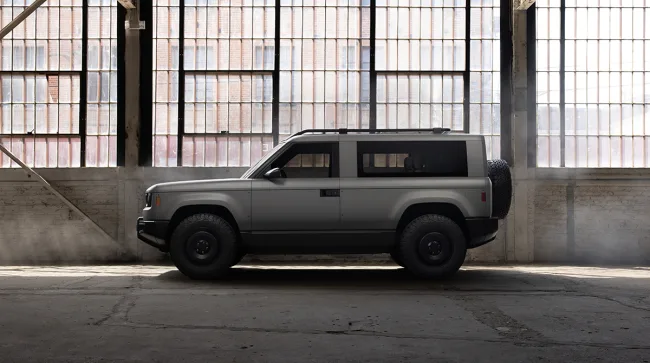
Slate Auto, the electric-vehicle startup backed by Jeff Bezos, has thrown down the gauntlet in the pickup segment with the launch of a subcompact all-electric truck priced at $24,950. Unveiled at a Los Angeles event on June 24, 2026, the Slate Truck is positioned as a stripped-down, two-seat workhorse offering approximately 205 miles of EPA-estimated range and a maximum towing capacity of 2,000 pounds. The company is betting that affordability—amid soaring new-vehicle prices and reduced federal EV incentives—can lure buyers back into the electric market. The average new-vehicle transaction price hit $48,402 in 2025, according to Edmunds.com, and only 4.7% of new cars sold for $25,000 or less last year. Slate’s strategy hinges on a low entry price and a modular approach: the base model arrives without power windows, an infotainment system, or other standard comforts, but owners can customize their trucks via the Slate Marketplace, an online parts store where accessories and upgrades can be purchased over time. CEO Peter Faricy, a former Amazon executive, emphasized this model as a path to long-term profitability. Slate has already secured 180,000 reservations, each backed by a $50 deposit, and is now converting those into firm preorders with a $300 down payment. Deliveries are slated to begin in the fourth quarter of 2026. Analysts caution that the truck’s limited range and towing capability—far below those of traditional full-size pickups—will constrain its appeal to mainstream buyers. Jesse Toprak, CEO of OptiCar.AI, noted that Slate’s success may hinge less on electric-vehicle enthusiasm and more on the universal appeal of affordability. The only direct new-vehicle competitor in the sub-$30K segment is Ford’s upcoming lightweight EV truck, which starts at $30,000, while used plug-in trucks offer an alternative for budget-conscious shoppers. Slate’s pricing excludes taxes, title, license, registration, destination charges, documentation fees, and optional equipment, with state and local incentives potentially reducing the net cost further. The company’s gamble reflects broader industry uncertainty: BloombergNEF recently downgraded its 2030 U.S. EV sales forecast from 27% to 17%, citing inadequate charging infrastructure and weakened policy support under the Trump administration, which eliminated the $7,500 federal tax credit and rolled back fuel-efficiency standards.
📱 Follow our Telegram channel for daily updates
Source: Transport Topics — Michelin & Tires (EN) (ttnews.com)