🔔 Read us on Telegram — don’t miss the latest automotive news → t.me/motorhub_en
The myth that electric-vehicle batteries die after just a few years refuses to die, despite mountains of real-world data showing the opposite. A recent deep dive into battery-reliability studies confirms that today’s EV batteries are built to last at least 15 years under normal use, with failure rates plummeting as the technology has matured.
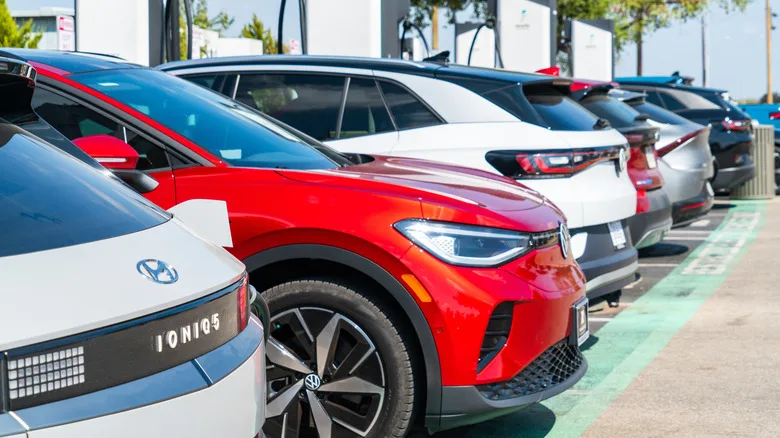
First-generation EVs like the Fiat 500e posted failure rates around 8.5%, but by the third generation that figure has dropped to just 0.3%. Most failures occur within the first few years—often while the battery is still covered by the manufacturer’s warranty—meaning any dud pack is quickly swapped out and the clock resets.
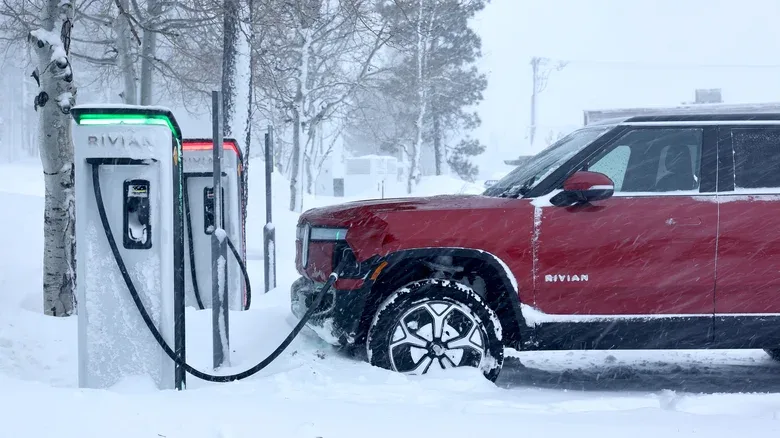
Separate research puts the average lifespan of a modern EV battery between 15 and 20 years, with annual capacity loss averaging only 1.8%. A 2023 Hyundai Ioniq 5 with a 318-mile EPA range, for example, would still deliver roughly 200 miles after two decades, assuming no other issues.
Degradation isn’t linear; it flattens out for most of the battery’s life before accelerating only in its final years. Warranties back up the data: federal minimums require at least 8 years/100,000 miles, while many automakers now offer 10 years or 100,000 miles, and Tesla’s coverage stretches to 150,000 miles on some models.
If batteries really died every three to seven years, EV makers would already be bankrupt from replacement costs—yet Tesla alone has sold millions of cars under those very warranties. Anecdotes of ancient EVs with almost no range exist, but the latest data shows they’re the exception, not the rule.
📱 Follow our Telegram channel for daily updates
Source: Jalopnik (Auto Culture & Tuning) (jalopnik.com)