🔔 Read us on Telegram — don’t miss the latest automotive news → t.me/motorhub_en
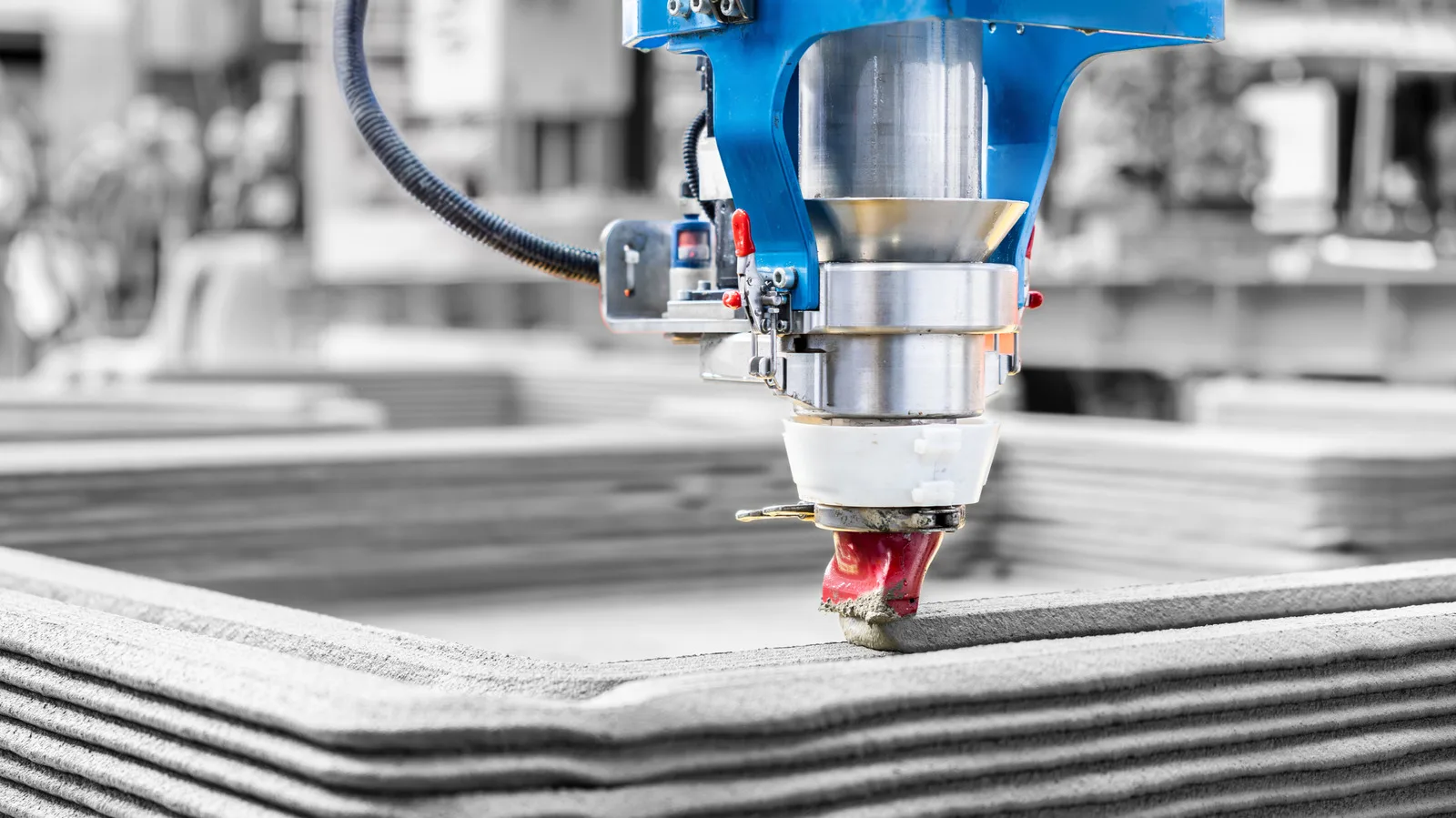
Researchers at MIT have unveiled a 3D-printing method for concrete that slashes material use, weight and CO₂ emissions by tailoring designs to real-world printer limits. Their algorithm, based on mixed-integer programming, generates structures that are 16% lighter than traditional equivalents while maintaining the same load capacity.
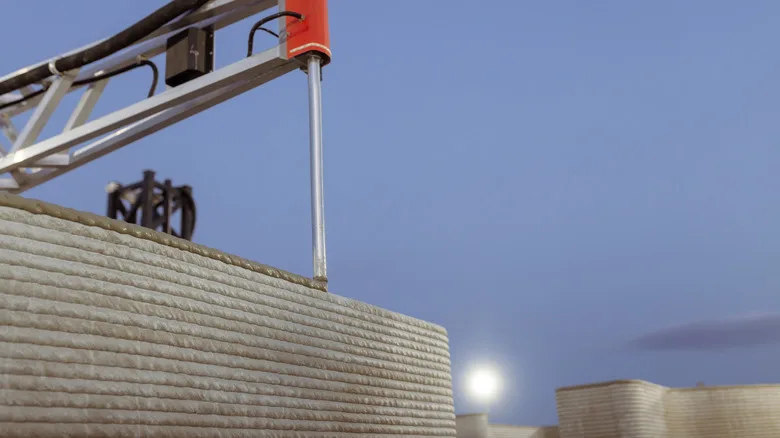
Concrete production alone accounts for 8% of global CO₂ emissions, so even modest reductions are significant. Prior studies showed 3D-printed concrete can cut emissions by 86% versus conventional casting.
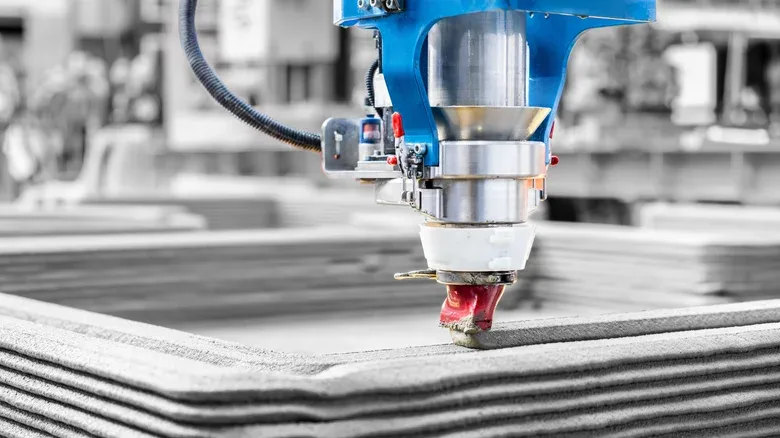
The breakthrough addresses a long-standing mismatch: earlier “perfect” designs ignored printer imperfections like bead size, nozzle turning radius and sharp-angle limitations. The new approach folds those constraints into the math, making it feasible to print complex, on-demand shapes without costly molds.
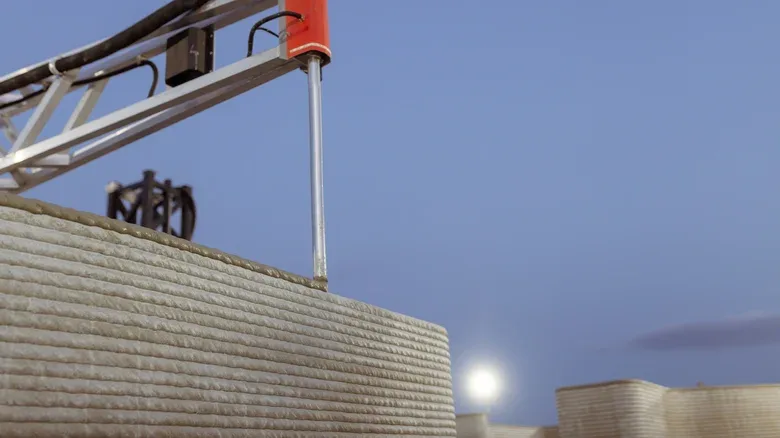
The team’s first test case—a 16%-lighter model bridge under 8 feet long and 900 pounds—proved the concept, but scaling up to real infrastructure will require solving concrete’s directional fragility. Pure concrete handles compression well but cracks under tension; traditional bridges solve this with rebar, and 3D-printing rebar remains unsolved. Still, the method signals a climate-friendly shift in construction tech.
📱 Follow our Telegram channel for daily updates
Source: Jalopnik (Auto Culture & Tuning) (jalopnik.com)