🔔 Read us on Telegram — don’t miss the latest automotive news → t.me/motorhub_en
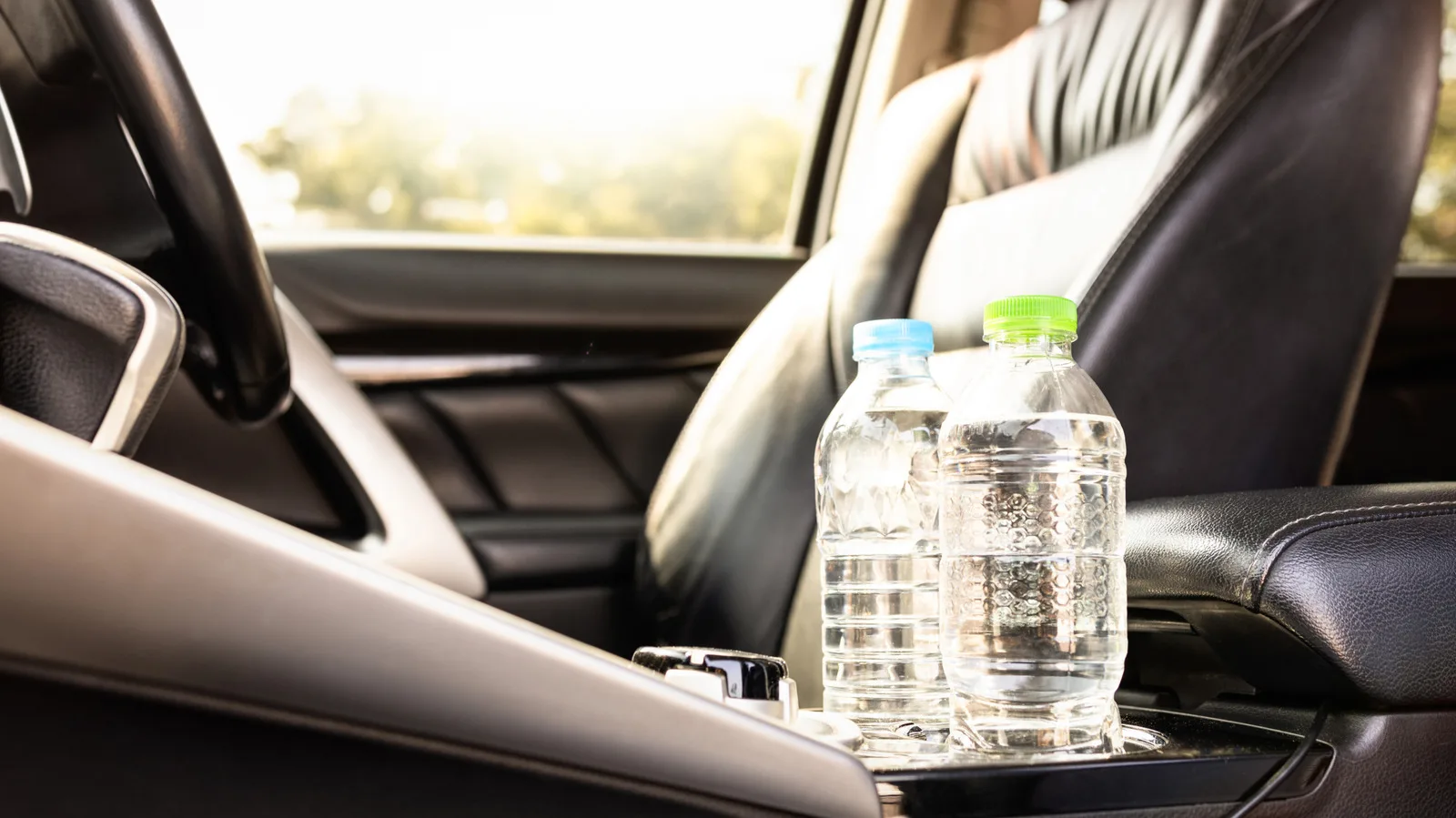
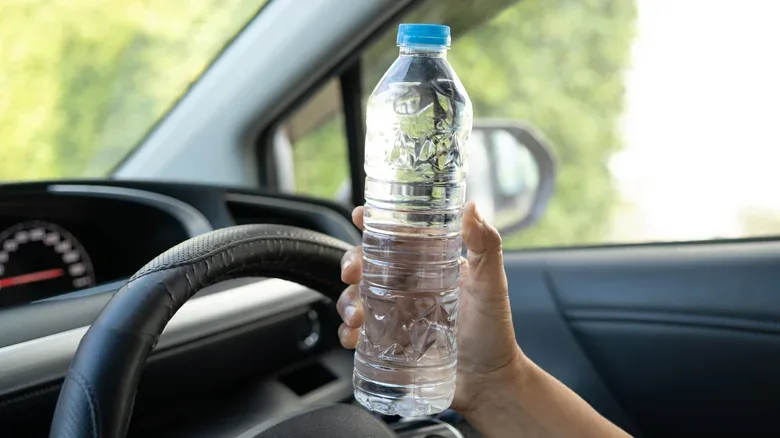
As summer heats up, many drivers leave plastic water bottles in their cars, only to find them scalding hot after a few hours parked under the sun. The question isn’t just about comfort—it’s about safety. According to the National Weather Service, a car interior can hit 120°F in minutes on a 90°F day, and 150°F shortly after. That bottle of water you grabbed before your hike is now a lukewarm science experiment. So, is it safe to drink?
The answer depends on who you ask. The International Bottled Water Association insists that bottled water in PET plastic (recycling code #1) is perfectly fine even when heated. But plastic waste researchers warn that heat accelerates chemical leaching, particularly bisphenol-A (BPA) and antimony. BPA, a compound used in plastics since the 1950s, has been linked to long-term health risks in fetuses, infants, and children, including behavioral disorders, high blood pressure, type 2 diabetes, and cardiovascular disease. While most single-use water bottles now use PET plastic—which doesn’t contain BPA—antimony, a potentially carcinogenic chemical, can still leach out in extreme heat, according to a 2008 Arizona State University study. The FDA, however, maintains that BPA levels in the U.S. food supply remain well below harmful thresholds.
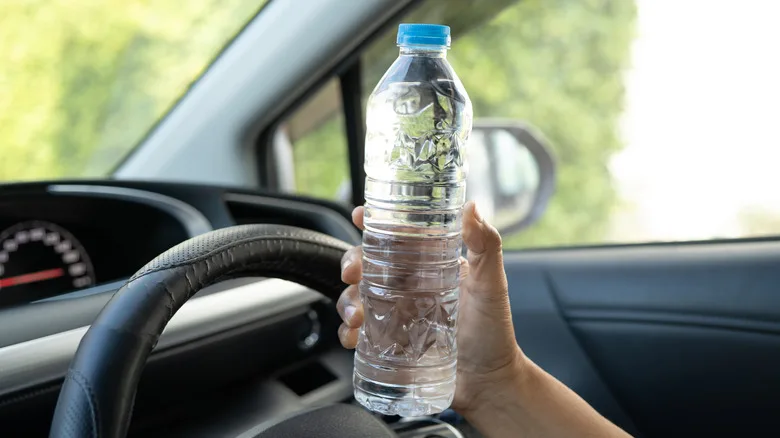
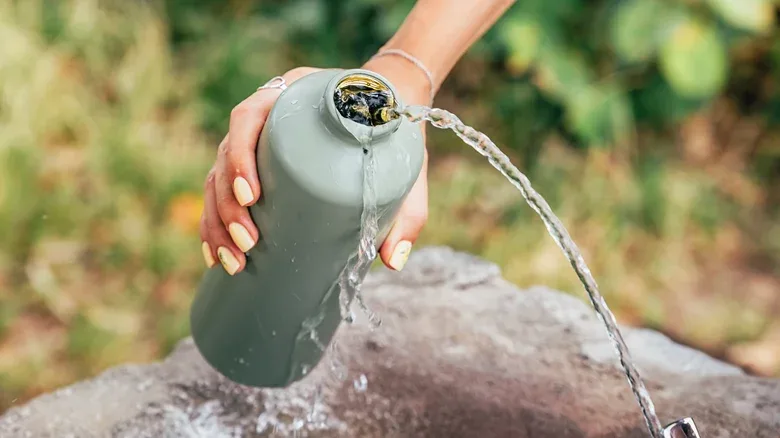
Still, experts recommend caution, especially for pregnant women, nursing mothers, and young children. The safest bet? Avoid drinking water from plastic bottles left in hot cars altogether. If you must, opt for reusable insulated bottles—preferably stainless steel double-walled—to keep your water cool and reduce chemical exposure. Glass bottles are another zero-leach option, though they’re heavier and more fragile. And remember: heat doesn’t just affect chemicals—it’s a breeding ground for bacteria. A warm, stagnant water bottle is a Petri dish for mouth-borne microbes, which can multiply and cause illness if consumed later.
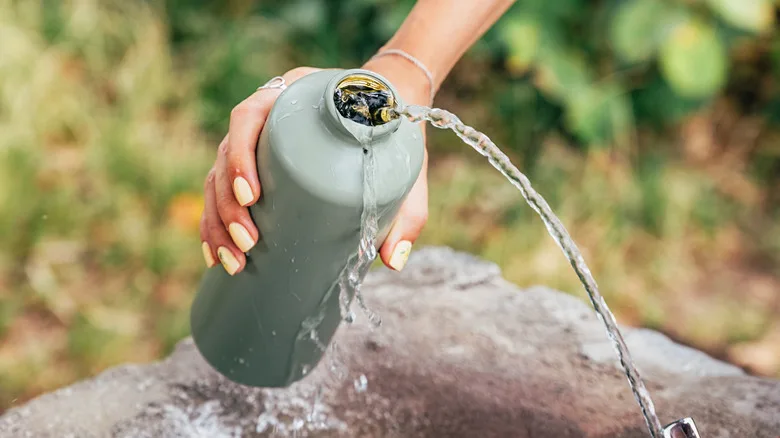
So, should you drink that hot bottle of water? The science is mixed, but the consensus leans toward caution. If you’re thirsty, grab a fresh bottle. If you’re stuck with a warm one, it’s probably fine in moderation—but don’t make a habit of it.
📱 Follow our Telegram channel for daily updates
Source: Jalopnik (Auto Culture & Tuning) (jalopnik.com)