🔔 Read us on Telegram — don’t miss the latest automotive news → t.me/motorhub_en
Braking performance hinges on how much force you can apply to the pedal without exhausting yourself—especially in an emergency. That’s where brake power-assist systems come in, and two of the most common types are vacuum boosters and hydroboost units. The core difference? One runs on engine vacuum, the other on hydraulic pressure. Here’s how they work, where they’re used, and what each brings to the table.
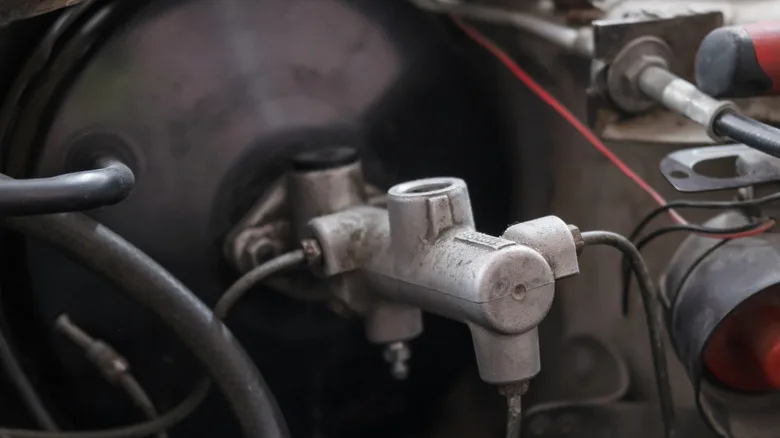
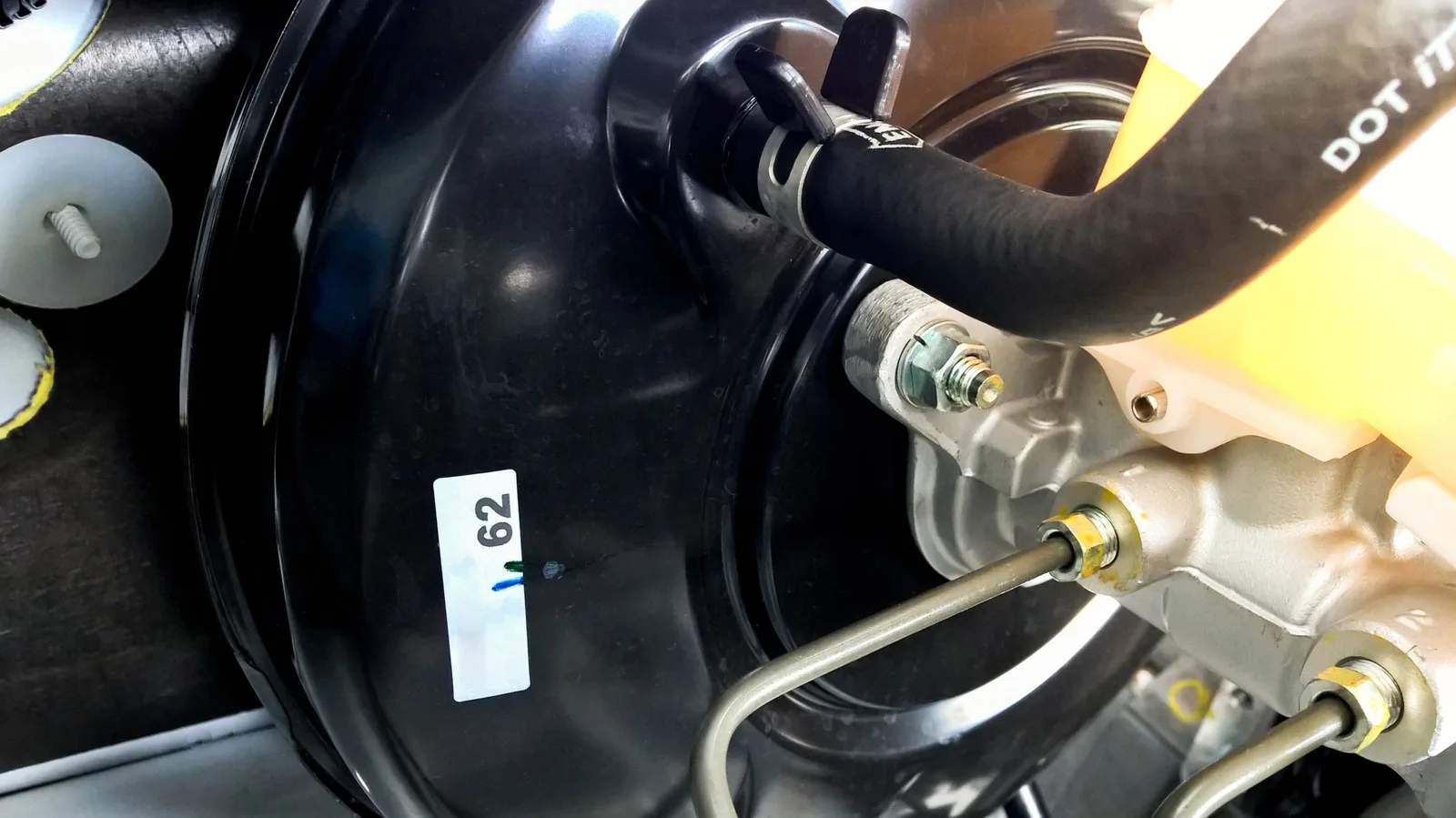
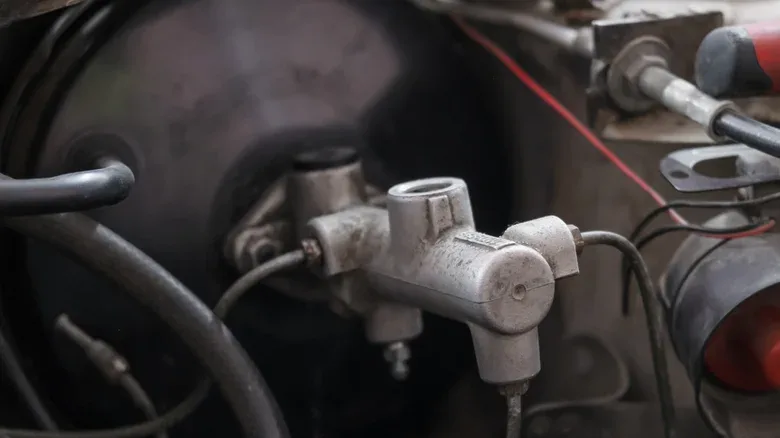
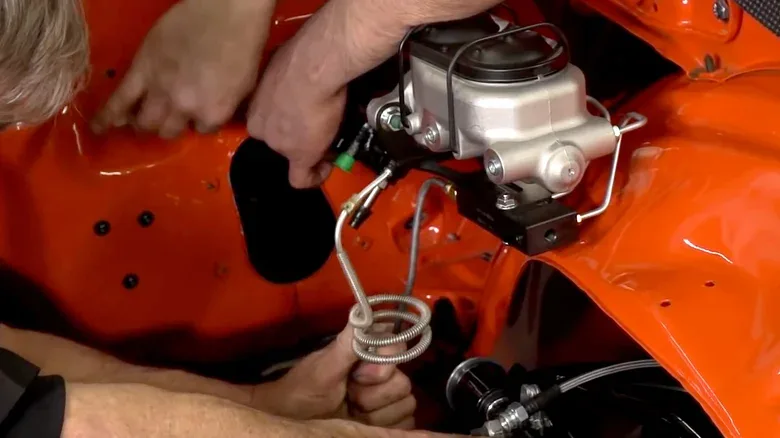
A vacuum brake booster is the most widespread type, relying on engine vacuum—a byproduct of throttle restriction—to amplify pedal force. Inside the booster, a diaphragm separates two chambers: one under engine vacuum, the other open to atmospheric pressure. When you press the pedal, the pressure imbalance pushes the master cylinder piston, sending brake fluid to the calipers or drums. Simple in design but effective, vacuum boosters have been around for about a century and are generally reliable—provided their vacuum lines, check valves, and seals stay leak-free. A failing booster often announces itself with a hissing sound or increased pedal effort, signaling it’s time for inspection or replacement. Diesel engines, which don’t naturally produce vacuum due to lack of throttle restriction, often use an auxiliary vacuum pump to feed a vacuum booster.
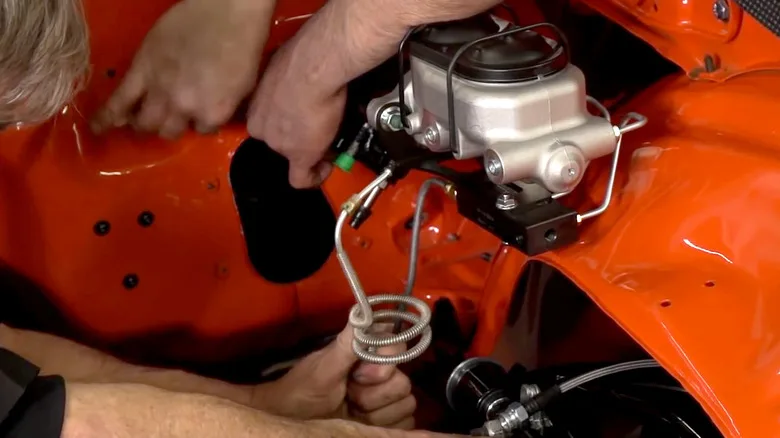
Hydroboost, by contrast, taps into hydraulic pressure—usually from the power steering system—to multiply braking force. A valve inside the hydroboost unit regulates fluid flow based on pedal input, pushing a piston that assists the master cylinder. This system is more compact than vacuum boosters and can deliver stronger assist, making it popular in high-performance applications like off-roading, track use, and hot rod builds—especially with engines that generate low vacuum, such as supercharged V8s with aggressive camshafts. Hydroboost systems are also common in diesel applications. However, they demand leak-free hydraulic lines and sometimes require a more robust power steering pump to maintain consistent pressure for both steering and braking.
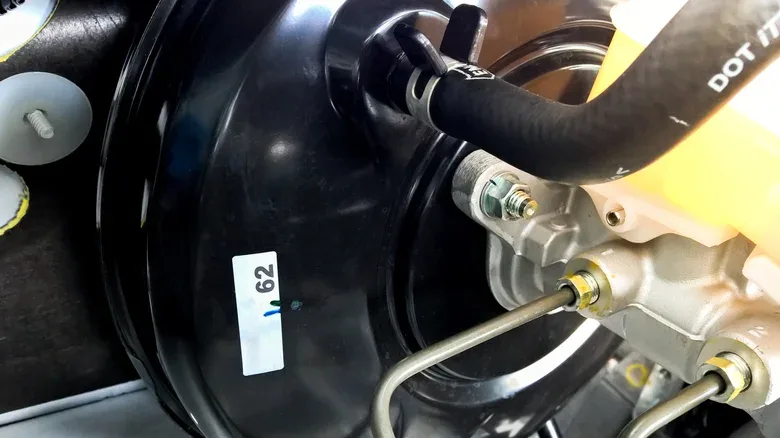
Both systems have strengths and weaknesses. Vacuum boosters are time-tested and reliable when maintained, but their performance can suffer in engines with weak vacuum. Hydroboost offers more consistent assist and compact packaging, but it adds complexity and depends on a healthy hydraulic circuit. Choosing between them often comes down to the engine, application, and maintenance habits.
📱 Follow our Telegram channel for daily updates
Source: Jalopnik (Auto Culture & Tuning) (jalopnik.com)