🔔 Read us on Telegram — don’t miss the latest automotive news → t.me/motorhub_en
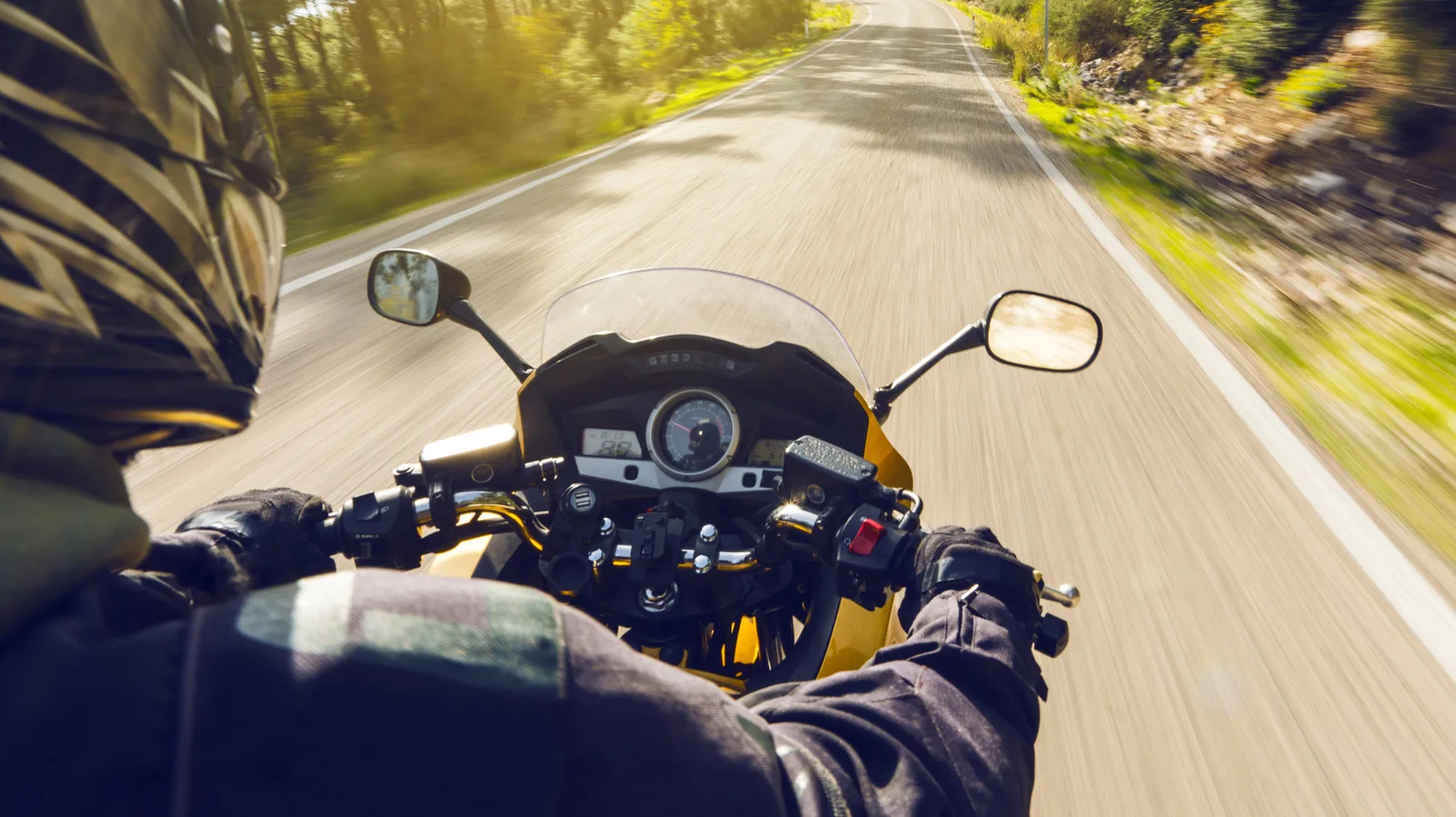
Proper braking technique on a motorcycle is crucial, even for veteran riders. The 70/30 rule is a standard practice that suggests applying 70% of braking force to the front wheel and 30% to the rear wheel for stability.
This technique is helpful in regular riding situations, but may need to be adjusted in low-grip situations or when carrying a large load. The front brake does the majority of the work due to weight transfer under braking, but the rear brake is still important for corner setup and emergency stopping.
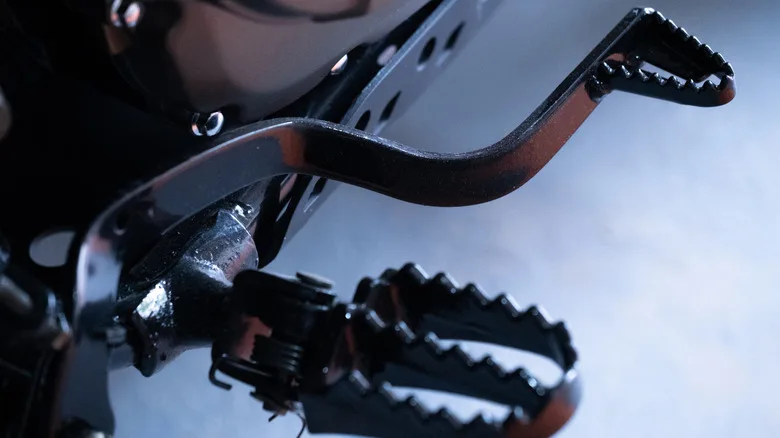
To master this technique, it’s essential to get to know your bike’s braking system and practice using both brakes in a safe environment, such as a wide-open parking lot or rider training class. The most effective braking happens with a soft initial touch, gradually loading the front tire and modulating pressure on the lever and foot brake.
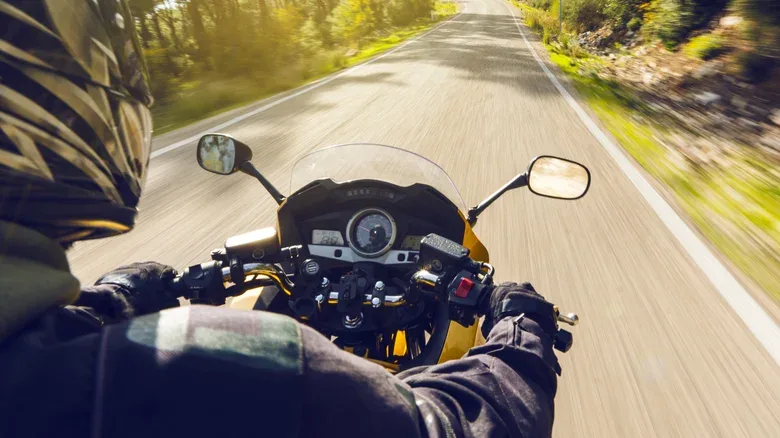
Applying too much brake can cause the bike to skid or the rider to go over the handlebars, so it’s crucial to learn how to modulate the brakes correctly. With practice and experience, riders can develop muscle memory and improve their braking skills, making riding safer and more enjoyable.
📱 Follow our Telegram channel for daily updates
Source: Jalopnik (Auto Culture & Tuning) (jalopnik.com)