🔔 Read us on Telegram — don’t miss the latest automotive news → t.me/motorhub_en
Walter P. Chrysler didn’t start making cars from scratch, instead, he established the Chrysler Corporation by being in the right place at the right time and having the money to invest. He earned his fortune by solving problems and streamlining the assembly line for making cars, which he did while working at Buick, a General Motors company. In 1911, Chrysler was hired by Charles W.
Nash, the then-president of Buick, to improve the company’s manufacturing and quality control. Chrysler’s success at Buick led to his promotion to president and general manager, and under his leadership, Buick’s production increased from 45 cars a day to over 200. However, Chrysler and the company’s founder, William Durant, often clashed on cost-cutting and expenditures, which led to Chrysler leaving Buick in 1919. He sold his GM stock for $10 million, which is equivalent to $192.5 million today, and never looked back.
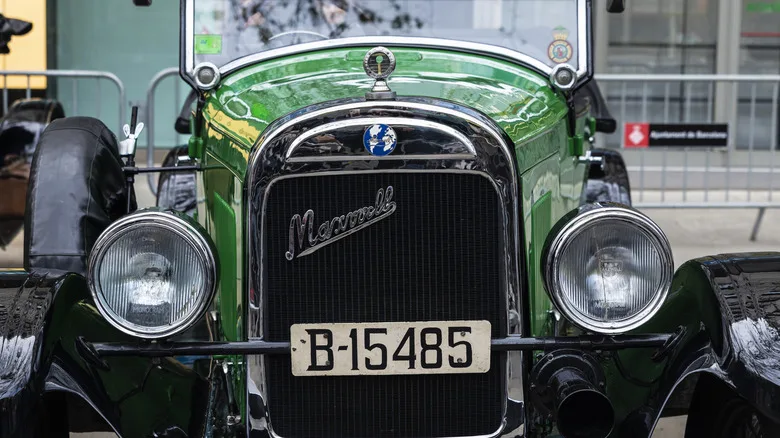
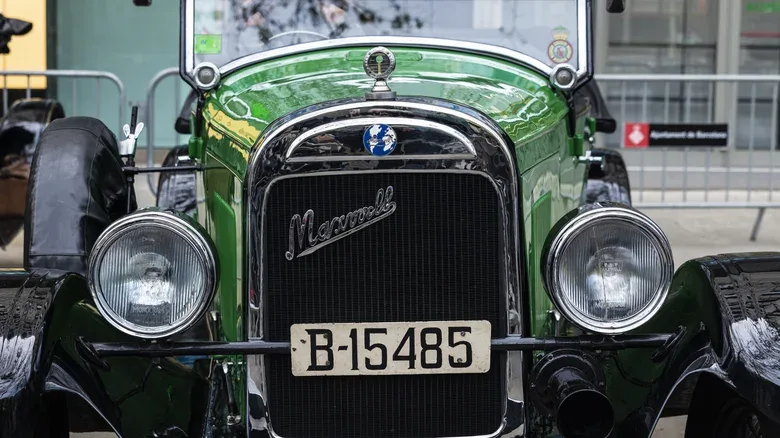
After leaving Buick, Chrysler was hired by the creditors of Willys-Overland, a successful automaker and military contractor that was losing money after World War I. He also helped turn around the Maxwell Motor Company, which was one of the top three American automakers behind General Motors and Ford. Maxwell was known for its innovation and quality, and it introduced several groundbreaking features, including a front-engine layout, three-point suspension, and thermosiphon cooling. However, the company faced financial difficulties during the postwar recession of 1920 and was left with an overstocked inventory of new cars it couldn’t sell.
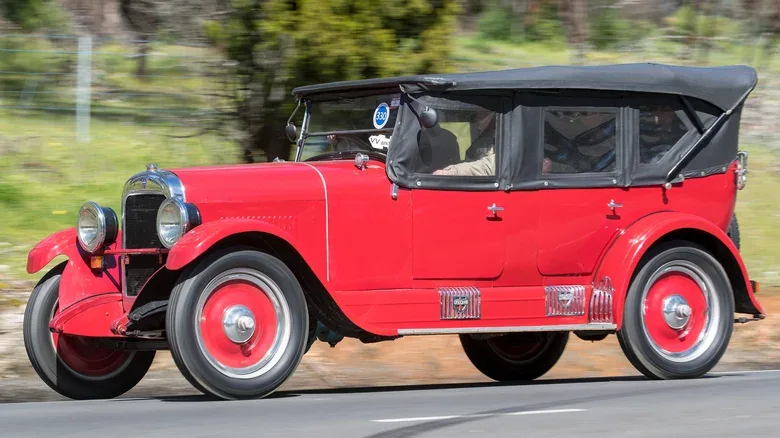
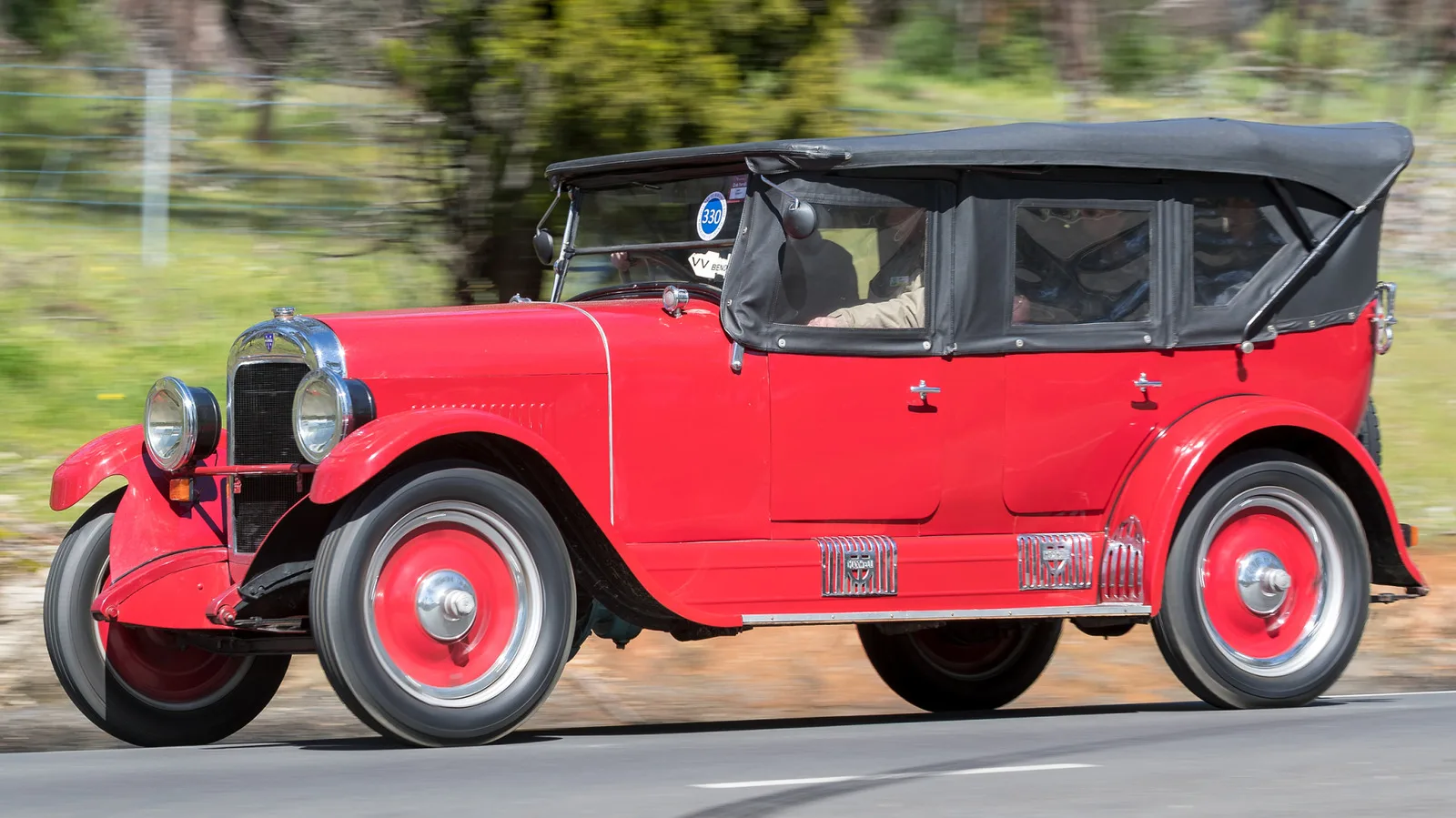
Chrysler took a controlling stake in Maxwell in 1921 and hired ex-Studebaker engineers to build an entirely new car, which would become the Chrysler Six. The Chrysler Six debuted in 1924 with four-wheel hydraulic brakes and a high-compression six-cylinder engine, and it was a massive hit, with over 32,000 units sold in its first year of production. In 1925, Chrysler reorganized Maxwell into the Chrysler Corp., and the company absorbed all of Maxwell’s assets. The Maxwell brand lived on in the form of the 1925 Chrysler 58 four-cylinder model and the Series 50 and 52, which were produced in 1927 and ’28.
These models were essentially reskinned Maxwells with new names and affordable price tags. The Chrysler Series 52 eventually formed the basis for the first Plymouth, the Model Q, which appeared in 1928. Today, the Chrysler brand is a far cry from its days of game-changing innovations, and the only Chrysler model available for purchase is the facelifted Pacifica minivan. However, the company’s legacy lives on through its iconic vehicles, such as the Plymouth GTX and Hemi Cuda, which have earned a loyal cult following.
📱 Follow our Telegram channel for daily updates
Source: Jalopnik (Auto Culture & Tuning) (jalopnik.com)