🔔 Read us on Telegram — don’t miss the latest automotive news → t.me/motorhub_en
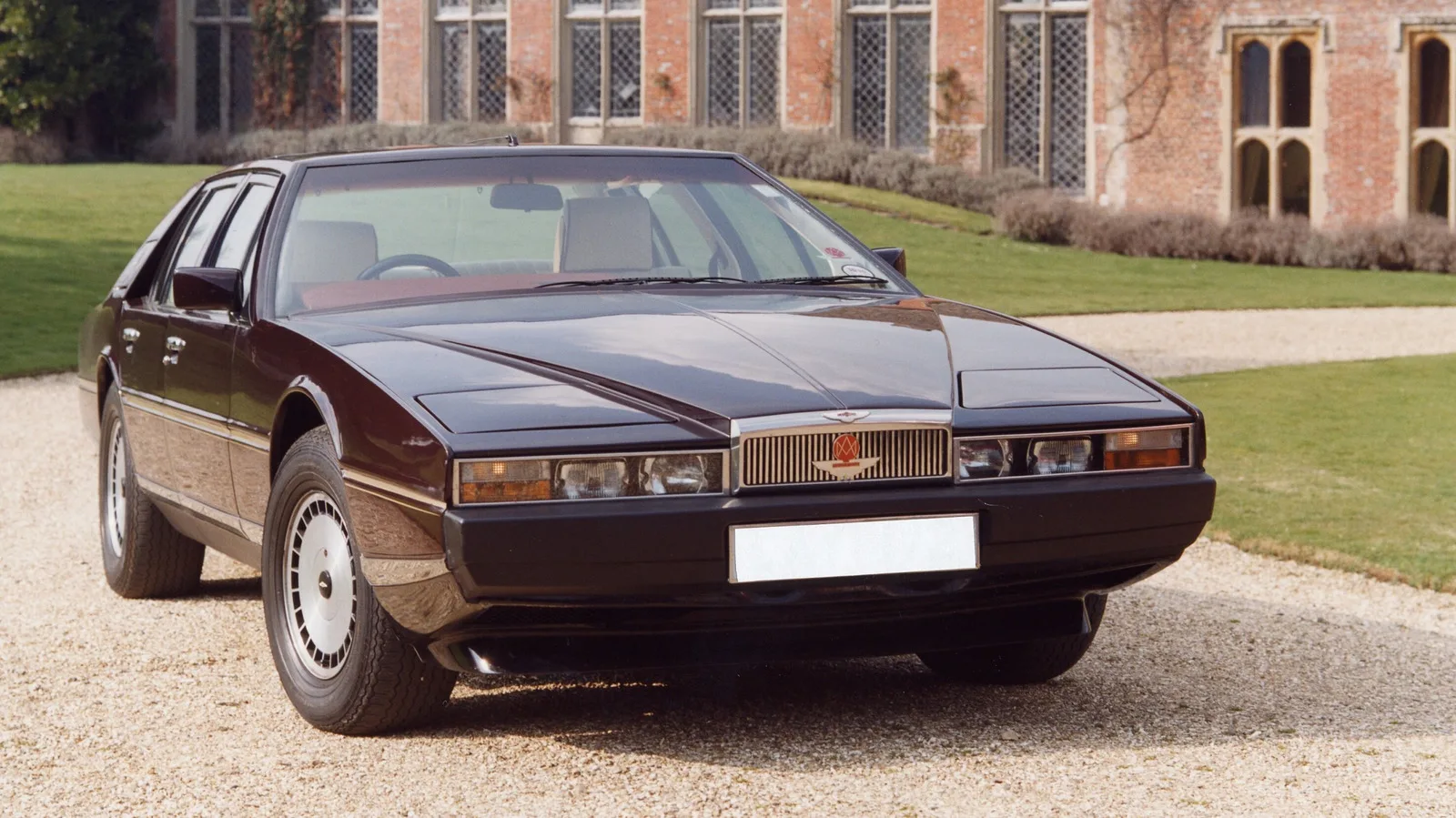
Fifty years ago, at the November 1976 British International Motor Show in London, Aston Martin unveiled a car that would become one of the most polarizing yet pivotal models in its history: the Lagonda Series 2. This wasn’t just another luxury sedan; it was a Hail Mary pass for a brand teetering on the brink of extinction. Aston Martin had nearly collapsed in the early 1970s, crippled by economic recession, a failed US market exit, and a receivership that shuttered its plant.
A lifeline arrived when investors bought the brand’s assets for £1 million and set about reviving it. The centerpiece of this revival was the Lagonda, a futuristic wedge-shaped sedan penned by William Towns, mechanically rooted in the recently relaunched V8 Vantage. The V8’s roots traced back to 1969, and its chassis dated to 1967, but Aston’s focus was on perception—crafting a car that looked and felt like the future.
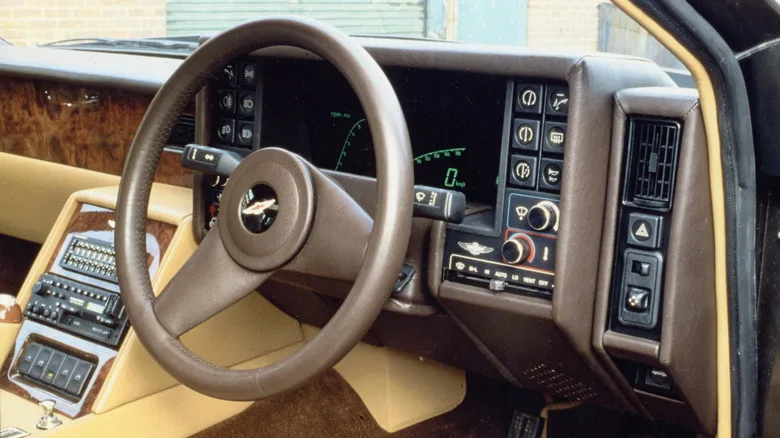
The Lagonda delivered on that promise with LCD instrumentation, touch-button switchgear, and sumptuous leather seating, all wrapped in a design so bold it seemed plucked from a sci-fi film. The prototype shown at the 1976 show didn’t even run; promotional shots were faked by pushing the car down a hill. Aston needed orders to survive, and the Lagonda’s dramatic debut delivered—76 deposit checks were collected on the Earls Court floor.
The car’s price tag of around £50,000 made it cheaper than a Rolls-Royce Corniche but far pricier than Ferrari’s 400. Early models packed a 280-horsepower, carbureted 5.3-liter V8 paired with a Chrysler TorqueFlite three-speed automatic. Later versions switched to fuel injection, though it brought no power or economy gains.
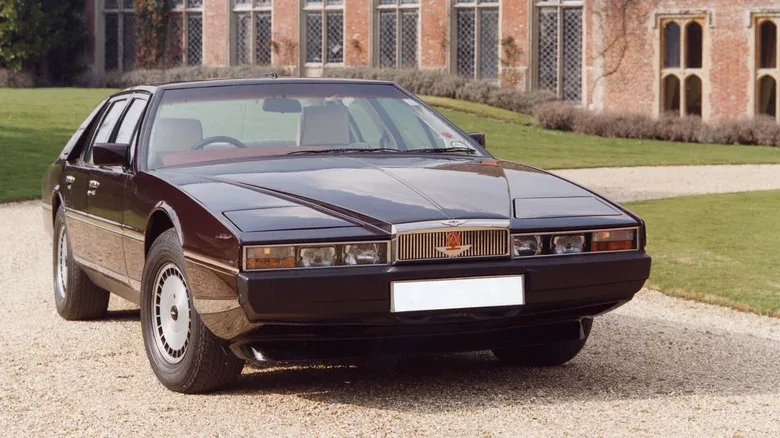
Weighing in at 4,400 pounds, the Lagonda wasn’t built for speed—its 360 lb-ft of torque couldn’t mask an 8.9-second 0-60 mph time in a 1982 *Road & Track* test. But speed wasn’t the point; the Lagonda’s futuristic design and opulent interior were enough to win over buyers. The first production car was delivered in 1978 to Lady Tavistock, though not without drama: Aston staff worked non-stop for two days to prep the vehicle, only for it to break down before delivery and require a hand-push to meet the press.
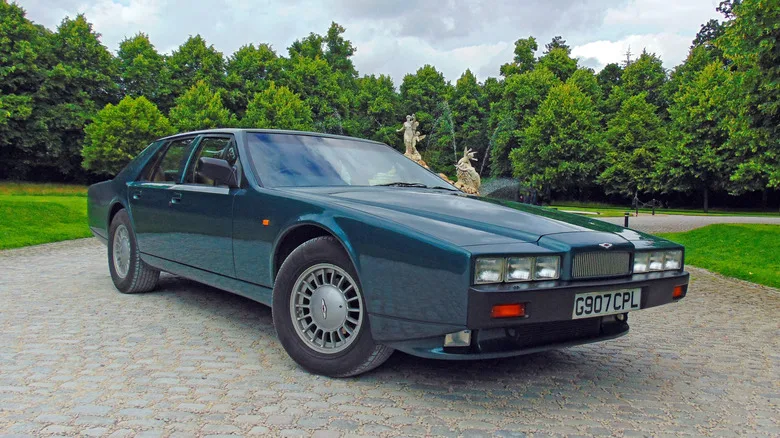
The Series 2’s wedge design, inspired by Giorgetto Giugiaro, was a stark contrast to the original Series 1 Lagonda of 1974, which sold just seven units. The Series 2’s success was immediate, shifting 645 units worldwide during its 1979–1990 production run. The Series 2 lasted until 1985, followed by the Series 3 in 1986, which swapped the troublesome LCD dashboard for an even more glitch-prone cathode ray tube touchscreen.
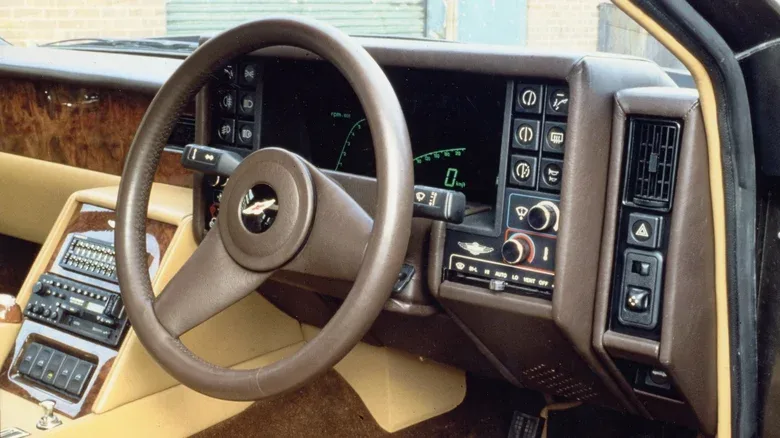
The Series 4 received minor design tweaks. Today, the Lagonda’s legacy is a mix of infamy and admiration. Its design has landed it on countless “world’s ugliest cars” lists, but its impact on Aston Martin’s survival is undeniable.
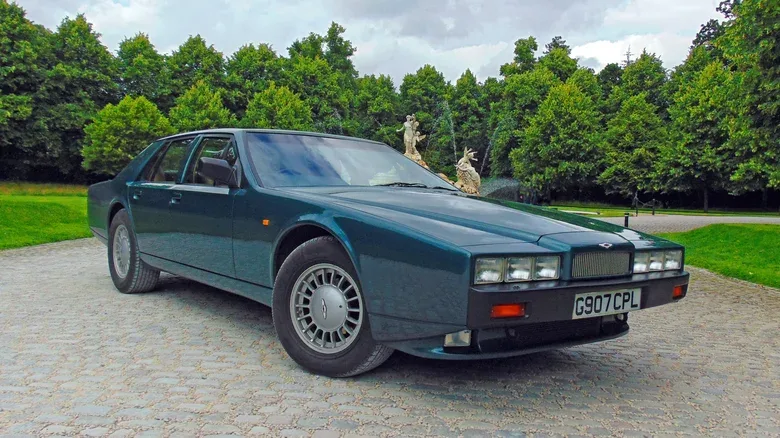
Without the Series 2 Lagonda, the brand might have vanished entirely. Half a century later, the Lagonda remains a testament to the power of bold design and sheer audacity in the face of adversity.
📱 Follow our Telegram channel for daily updates
Source: Jalopnik (Auto Culture & Tuning) (jalopnik.com)