🔔 Read us on Telegram — don’t miss the latest automotive news → t.me/motorhub_en
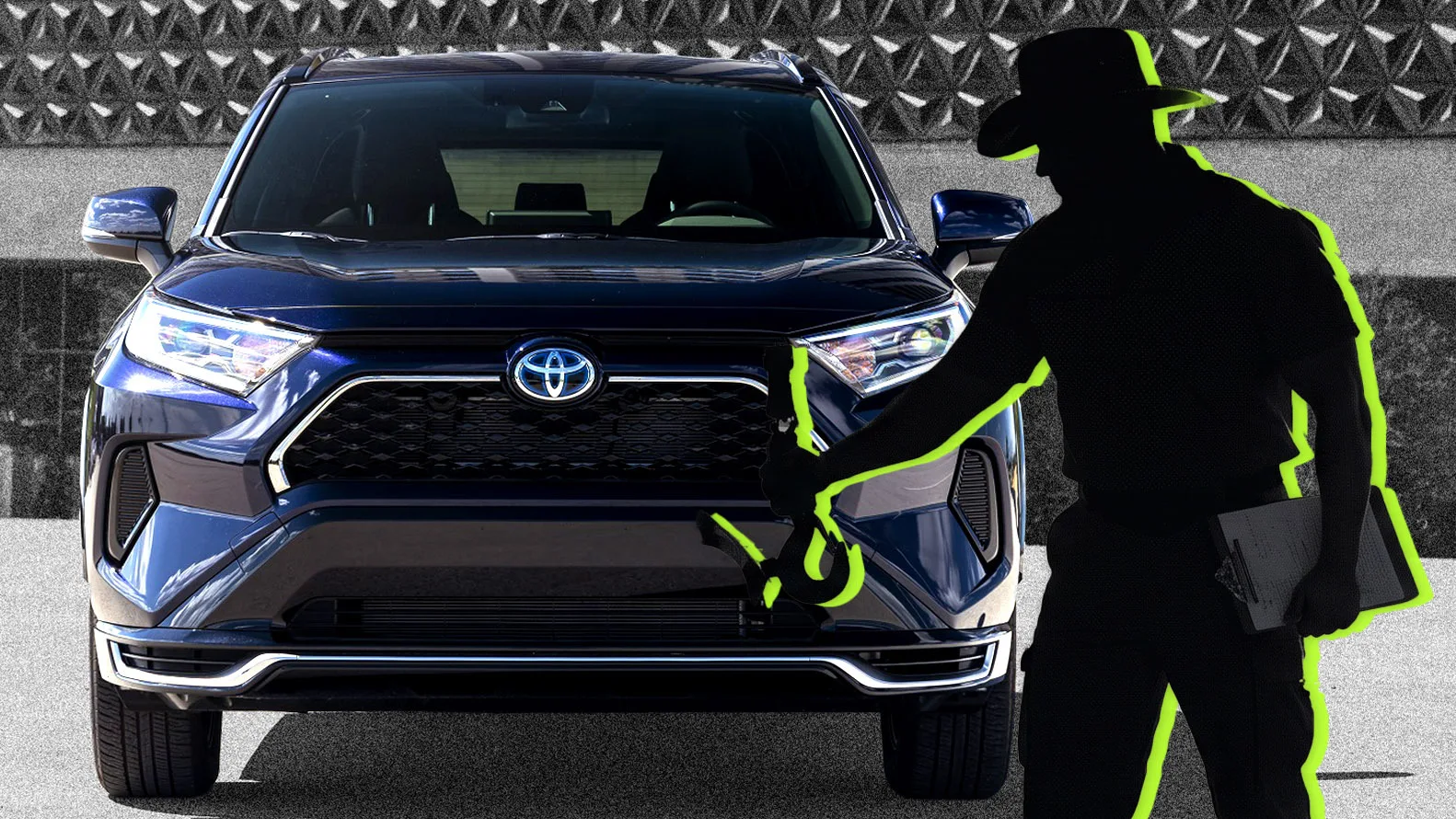
Americans now owe roughly $1.7 trillion in auto debt, and repossessions have surged to levels not seen since the Great Recession of 2007–2009. The crisis isn’t driven by reckless borrowers or aggressive repo firms—it’s a direct result of soaring vehicle prices, stretched loan terms, and unsustainable monthly payments. The average new-car price last year exceeded $50,000, and average monthly payments have jumped by about $300 since 2019. Roughly one in five new-car buyers now faces monthly payments over $1,000, yet lenders keep pushing 96-month loans to make expensive vehicles seem affordable. These eight-year loans inflate total interest costs, making cars even less affordable over time. Insurance premiums, repair bills, and volatile fuel prices—recently topping $5 per gallon in some areas—add further strain. Subprime borrowers are hit hardest, with delinquency rates at their highest since 2010. Many rely on high-interest independent finance companies or buy-here-pay-here dealers that enforce aggressive repayment schedules, sometimes repossessing after a single missed payment. For millions, losing a car isn’t just a financial setback—it’s a threat to work, healthcare, and daily survival, especially in rural areas with limited public transit. The industry’s focus on monthly payments over affordability has finally come due, and without a market shift, borrowers are running out of escape routes.
📱 Follow our Telegram channel for daily updates
Source: CarScoops