
🔔 Read us on Telegram — don’t miss the latest automotive news → t.me/motorhub_en
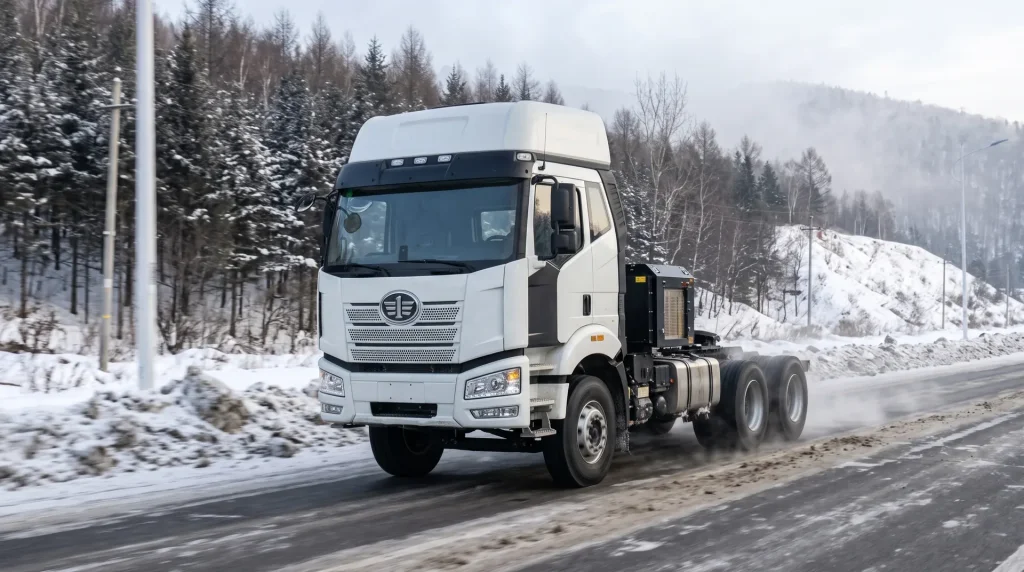
China has introduced a new consumption tax policy that exempts qualifying sodium-ion batteries through December 31, 2028, while specified lithium-ion batteries face a 2% consumption tax starting September 1, 2026, rising to 4% on September 1, 2027. Solid-state batteries and fuel cells are also included in the tax exemption through the end of 2028, provided they meet applicable national standards. The policy change comes as falling lithium prices narrow the potential cost advantage of sodium-ion over LFP batteries. On October 28, battery-grade lithium carbonate averaged around 97,000 yuan (13,500 USD) per tonne, while square LFP cells for electric vehicles averaged 0.41 yuan (0.057 USD) per Wh on October 22. Amid these market shifts, Hina Battery is expanding its commercial vehicle push, signing an agreement with Wuhan’s Jiangxia District on October 14 to build a sodium-ion battery production base with a planned annual capacity of 10 GWh. The first phase will cover 3 GWh, with construction scheduled to begin in early 2027 and initial production expected before the end of the year. Hina has also partnered with Chengli Special Automobile Group to develop sodium-ion-powered sanitation vehicles, including refuse collection, hook-lift, dust-suppression, and food-waste collection trucks, with an initial chassis approval application expected in early 2027. Heavy-duty applications are serving as key proving grounds due to low-temperature resilience and defined operating routes. Hina’s sodium-ion products feature a gravimetric energy density of at least 145 Wh/kg and an operating temperature range of minus 40 to 80 degrees Celsius. In testing, an FAW Jiefang J6P electric heavy truck powered by a 339 kWh Hina sodium-ion battery retained more than 90% of its usable capacity at minus 40°C. In August, Hina and Tonly Heavy Industries delivered an electric mining truck featuring a 676 kWh sodium-ion battery system to the Tangshan Sanyou mine in Hebei Province. Despite these deployments, manufacturing complexities surrounding hard-carbon anodes and lower energy densities mean sodium-ion batteries have yet to establish a definitive, consistent cost advantage over LFP cells.
📱 Follow our Telegram channel for daily updates
Source: Car News China