🔔 Read us on Telegram — don’t miss the latest automotive news → t.me/motorhub_en
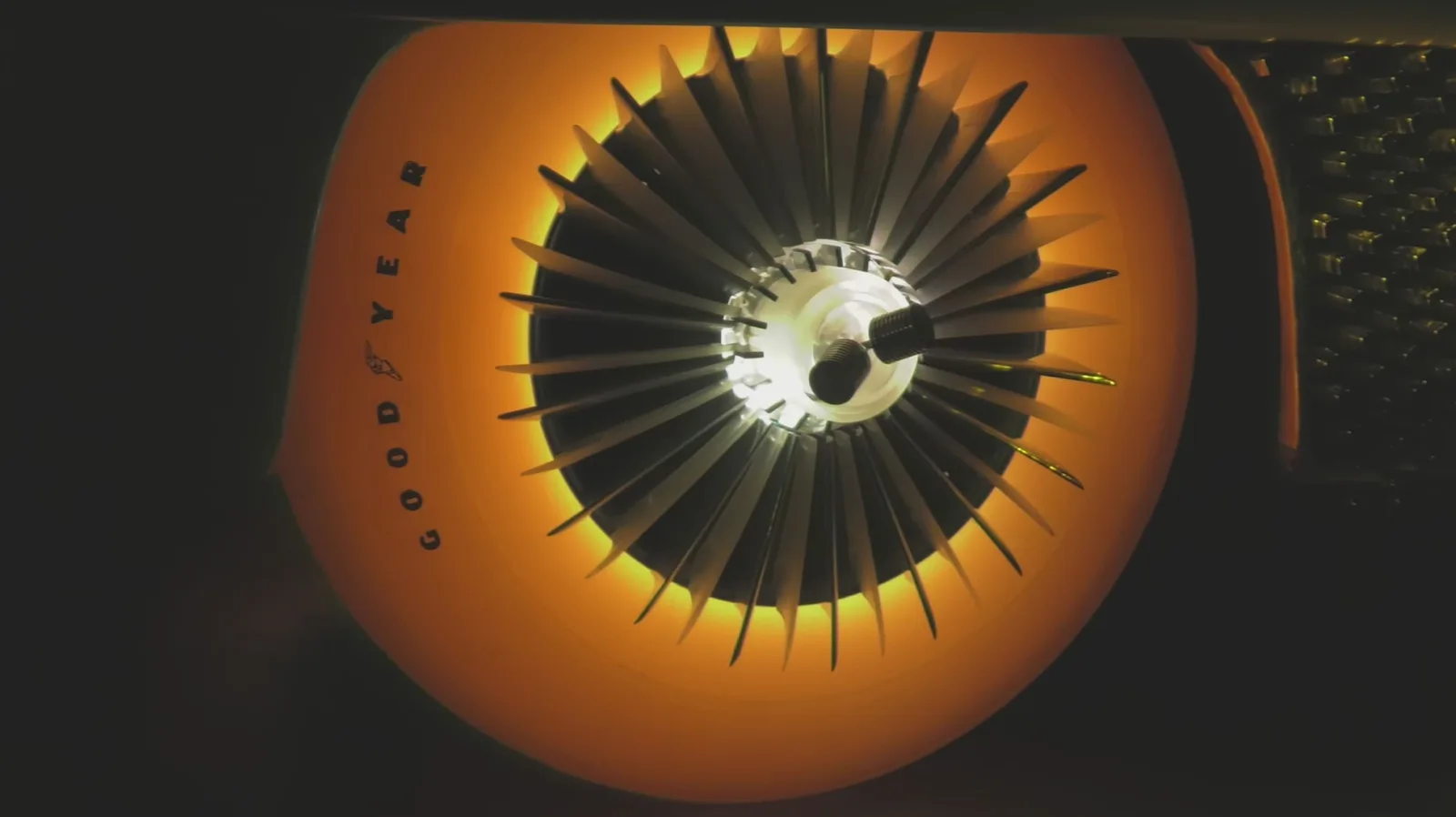
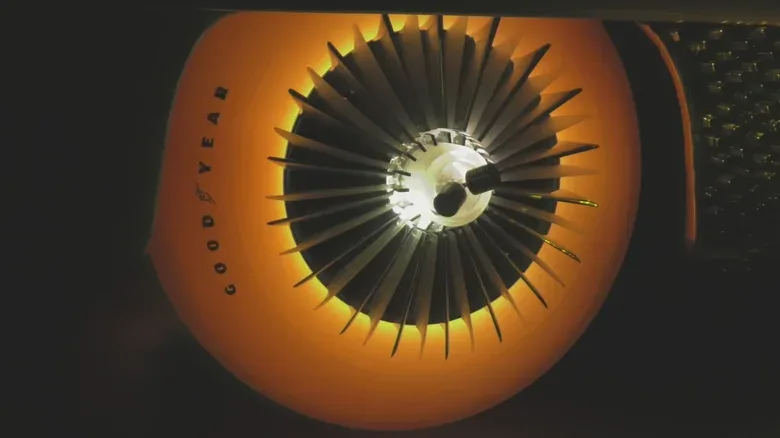
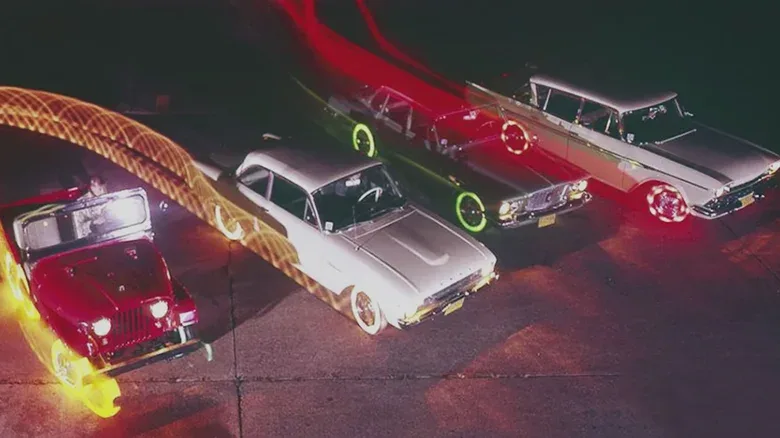
In the 1960s, Goodyear experimented with a revolutionary translucent tire that could be dyed different colors and illuminated from within.
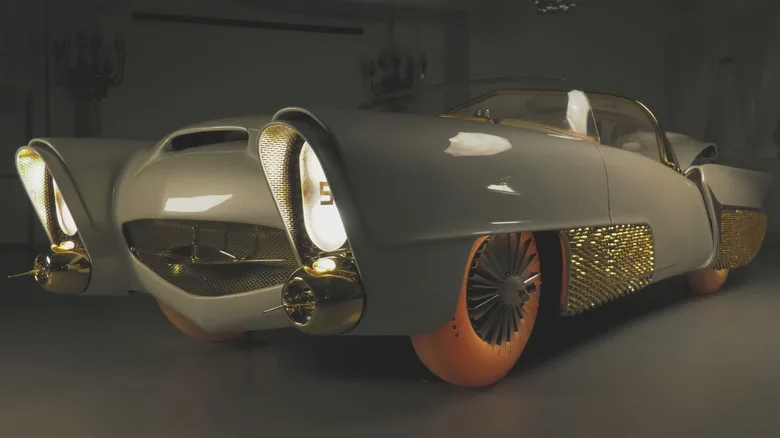
The tire, made from a polyurethane-based material called neothane, was designed to improve visibility in poor weather and potentially function as brake lights or turn signals.
However, despite its striking appearance and potential functional advantages, the glowing tire failed to go into production due to safety and performance issues, as well as prohibitive manufacturing costs.
The neothane material struggled with wet-weather traction, became unstable at high speeds, and had poor resistance to heat generated under hard braking.
Additionally, the illumination system added fragile components that were prone to maintenance issues and potential fire hazards.
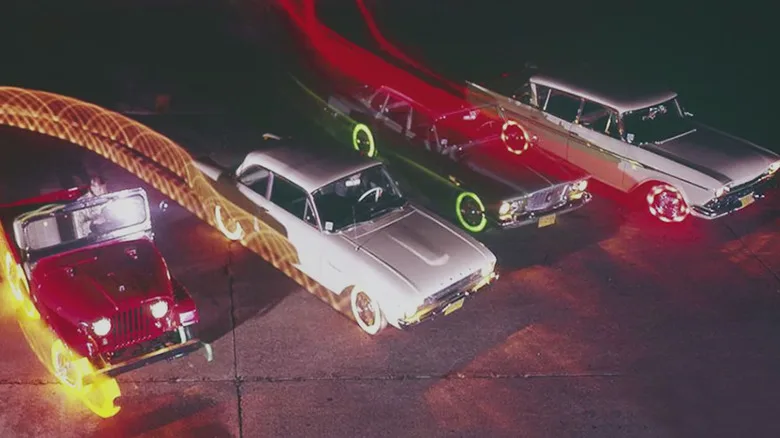
After a decade of development and testing, Goodyear abandoned the project due to the numerous challenges and high production costs.
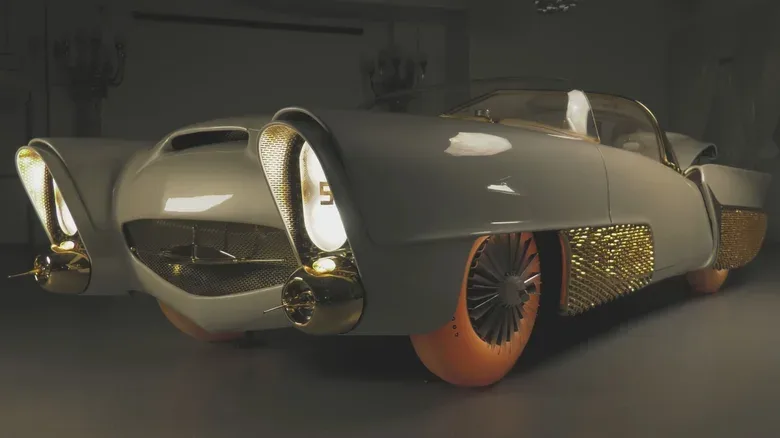
The glowing tires were showcased in various cars, including the futuristic-looking Golden Sahara II, but ultimately remained a concept that never made it to mass production.
📱 Follow our Telegram channel for daily updates
Source: Jalopnik (Auto Culture & Tuning) (jalopnik.com)