
🔔 Read us on Telegram — don’t miss the latest automotive news → t.me/motorhub_en
Automakers were mandated to install rearview cameras in all new cars starting in 2018, and the safety impact has been undeniable. Research presented at the American Academy of Pediatrics 2025 National Conference & Exhibition shows the federal requirement slashed severe injuries from backovers among children under five by nearly 50%, while fatalities in that age group plummeted by 78%. Older drivers, who account for 26% of backup-accident deaths according to pre-mandate NHTSA data, also benefit significantly: the Insurance Institute for Highway Safety (IIHS) found rearview cameras cut backup crashes involving drivers aged 70 or older by 36%, compared with a 16% reduction for younger drivers. The reason is simple—rearview cameras eliminate the need to crane your neck around rear-seat passengers or peer through tiny rear windows, making reverse maneuvers far easier and safer for those with limited mobility or flexibility.
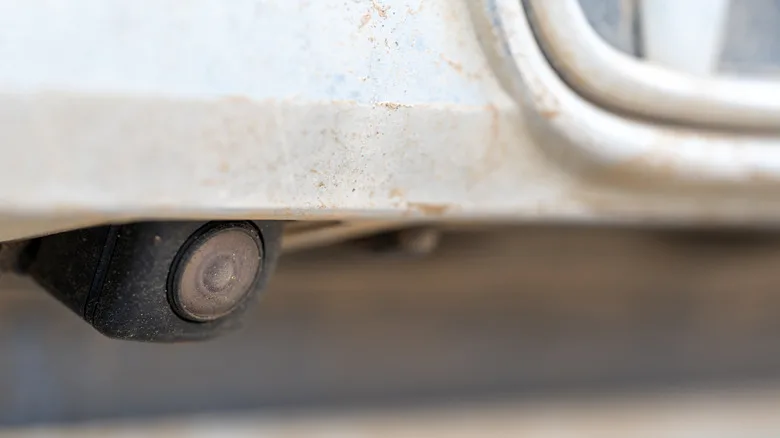
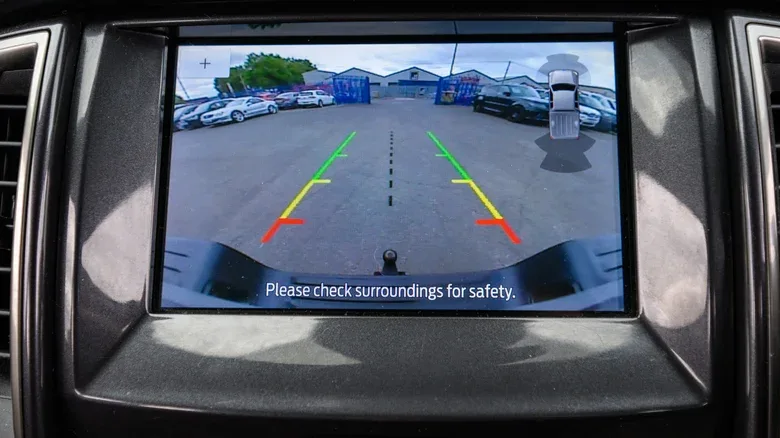
The cameras’ wide-angle lenses provide an expanded field of view, while colored guidelines on the display help with precision parking. However, rearview cameras aren’t foolproof. Their tiny exterior lenses—often around 11 mm in diameter, smaller than a U.S. dime (17.91 mm)—are easily obscured by rain, snow, frost, or mud. Some newer models now include rearview-camera washers to mitigate this issue.
Low-light conditions also pose challenges: dim reverse lights (a common complaint among Ford Bronco and GMC Sierra owners) and the physics of limited photon capture result in grainy, hard-to-interpret footage. Wide-angle lenses, while improving coverage, introduce distortion that can make judging distances tricky—though the camera’s overlay lines help compensate. Beyond backup cameras, other driver-assistance tech is stepping up to fill the gaps. A new NHTSA rule will require automatic emergency braking (AEB) as standard in most cars and light-duty trucks by 2029, a move expected to prevent at least 24,000 injuries and save 360 lives annually.
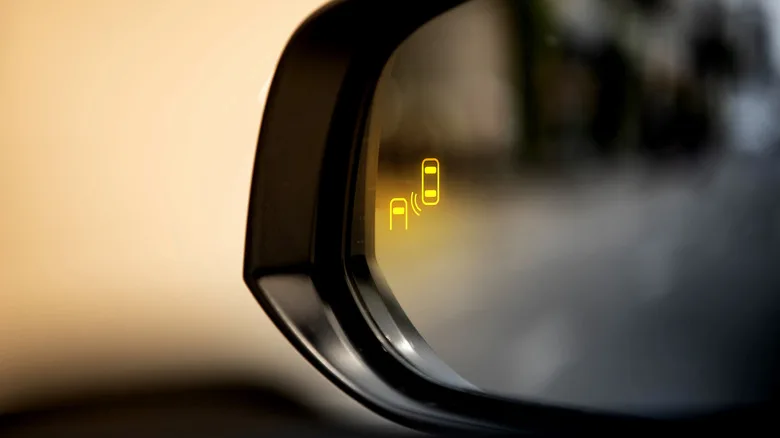
AAA testing in 2024 found that newer AEB systems avoided collisions in 100% of test runs at speeds up to 35 mph, though the federal standard only mandates functionality up to 62 mph. NHTSA is also expanding its New Car Assessment Program (NCAP) to evaluate blind-spot warning/intervention and lane-keeping assistance, technologies that have shown promise: blind-spot systems reduced lane-change crashes by 14%, while lane-keeping assistance cut crashes by just 5%. Pedestrian AEB, however, has mixed results—it’s ineffective in darkness, at speeds above 50 mph, or during turns, yet still managed to lower pedestrian crash risk by 25% to 27% and pedestrian injuries by 29% to 30% overall. The takeaway?
Backup cameras are a major safety win, especially for vulnerable groups, but they’re not a cure-all. Pairing them with other ADAS tech—like AEB and blind-spot systems—creates a more robust safety net, though limitations in adverse conditions and low light remain hurdles to overcome.
📱 Follow our Telegram channel for daily updates
Source: Jalopnik (Auto Culture & Tuning) (jalopnik.com)