🔔 Read us on Telegram — don’t miss the latest automotive news → t.me/motorhub_en
The automotive industry’s pivot from hardware to software has transformed how cars are maintained and upgraded. Modern vehicles now run on millions of lines of code that govern everything from infotainment systems to driver-assistance features and battery management.
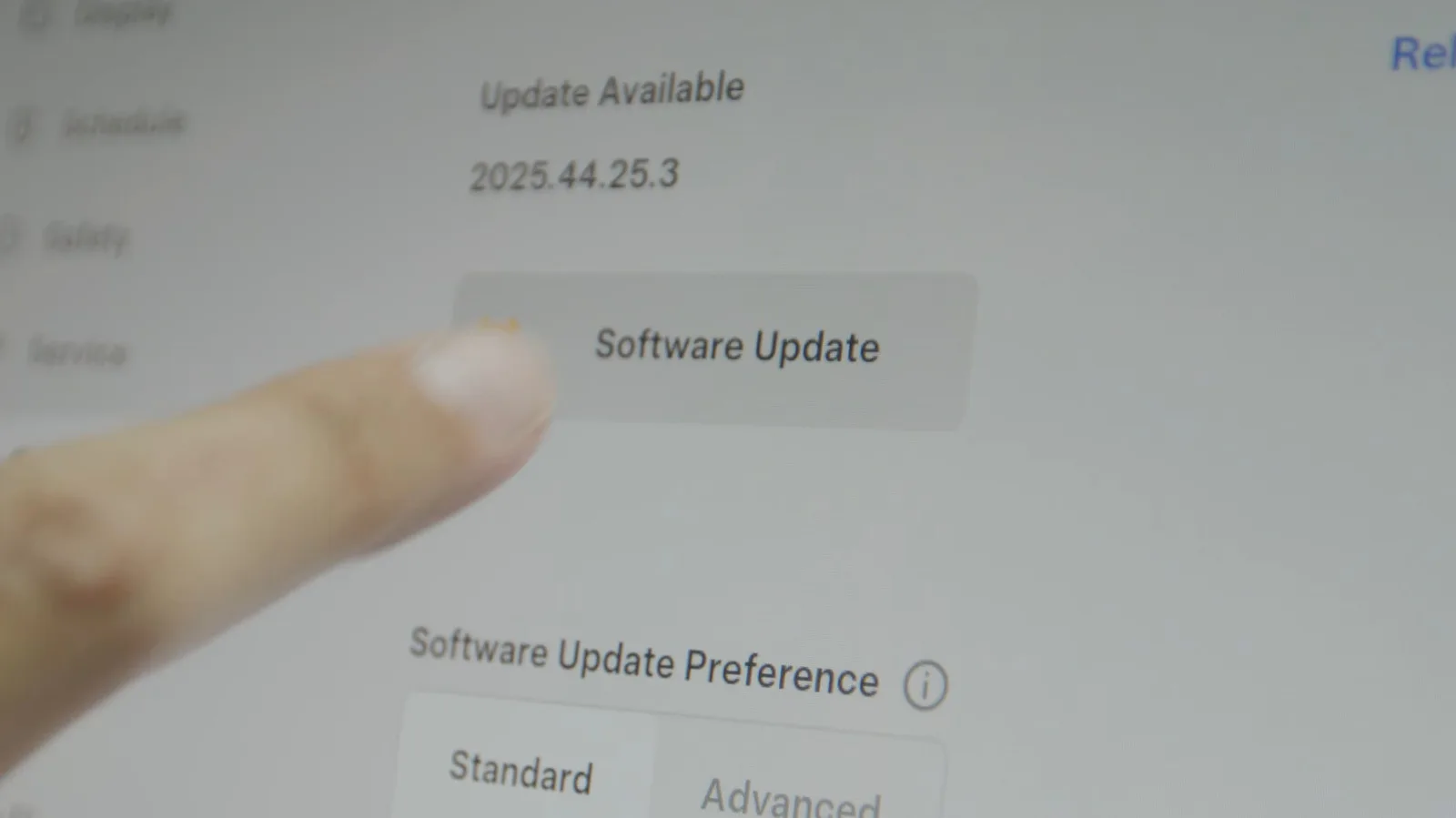
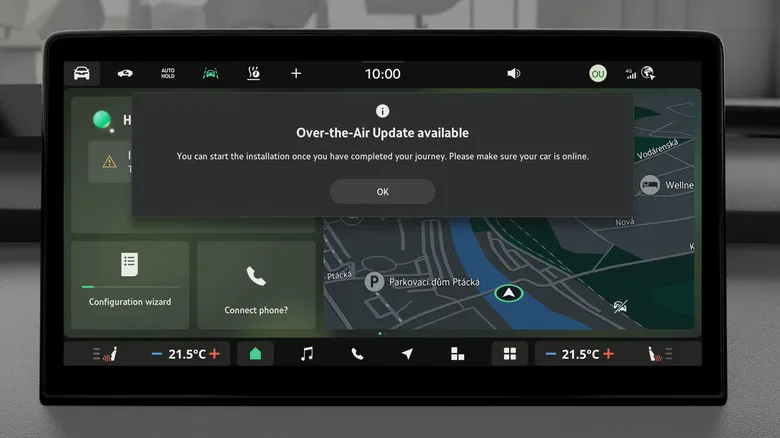
Over-the-air (OTA) software updates have become a cornerstone of this evolution, allowing drivers to receive fixes, new features, and performance tweaks without stepping into a dealership. The convenience is undeniable: no more scheduling service appointments for recalls or waiting weeks for dealerships to catch up.
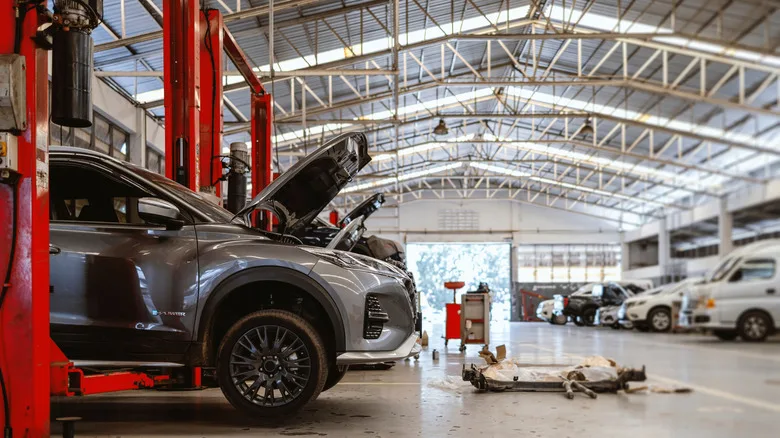
Renault estimates that 85–90% of its OTA-compatible vehicles are fully updated, compared to just 60% of those requiring in-person visits. Updates can often be scheduled for off-peak hours, such as overnight, and owners are typically notified of the installation duration upfront, minimizing disruption.
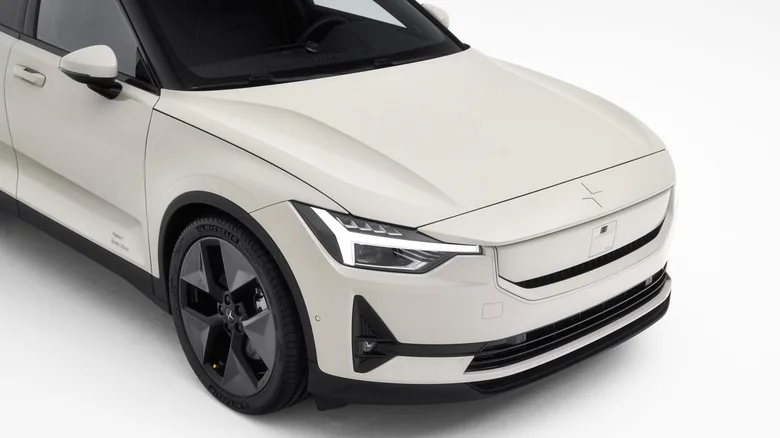
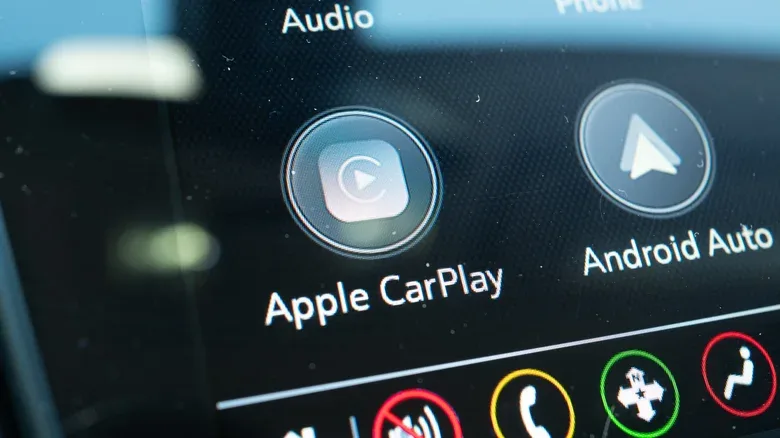
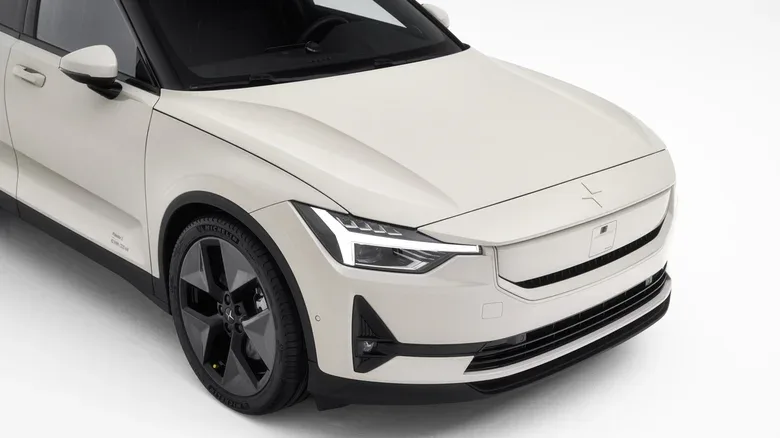
For many, the ability to unlock new features post-purchase is the most exciting perk. Polestar’s 15th OTA update for the Polestar 2 added YouTube app integration, while Lucid enabled Apple CarPlay and Android Auto via an update—transforming the in-car experience without a single hardware change.
Performance improvements are another major upside. Tesla’s 2019 Model 3 update boosted horsepower by roughly 5%, and Polestar’s $1,195 update for the Polestar 2 added 68 horsepower.
Other automakers, like Porsche, have used OTA updates to extend vehicle range and improve battery thermal management on the Taycan. Even infotainment responsiveness has seen noticeable gains after updates.
However, OTA updates aren’t without risks. Failed or interrupted installations can leave a car inoperable, requiring system resets or even hardware replacements.

Incomplete updates may cause battery drain, and rushed patches can introduce new bugs. Cybersecurity and privacy concerns loom large, too.
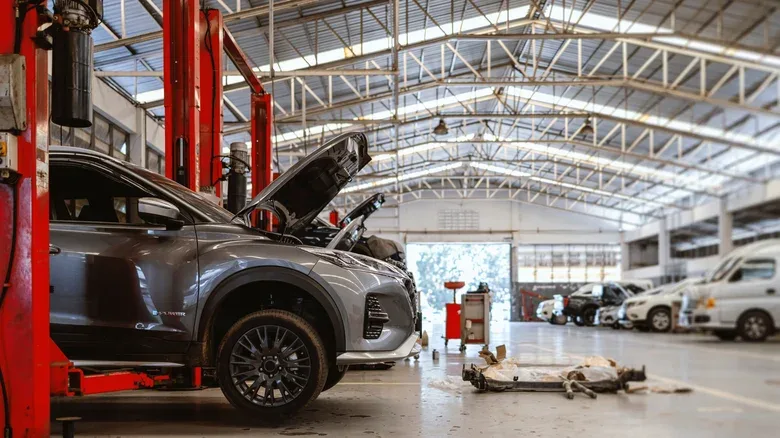
Experts warn that connected vehicles could be vulnerable to hacking, with the potential for malicious actors to sabotage controls. While automakers employ encryption and adhere to privacy regulations, the threat remains a critical issue.
The American Enterprise Institute has called for stricter security reviews and restrictions on foreign-made hardware and software in U.S.-sold vehicles. Industry voices like Yael Grauer of Consumer Reports argue that well-designed OTA systems mitigate risks, but the debate over balancing innovation with security continues.
For drivers, OTA updates offer unparalleled convenience and continuous improvement, but they also demand vigilance to avoid the pitfalls of a digital-first approach to automotive maintenance.

📱 Follow our Telegram channel for daily updates
Source: Jalopnik (Auto Culture & Tuning) (jalopnik.com)